
BMKG Predicts Dry Season to Begin in April, Peaking in August
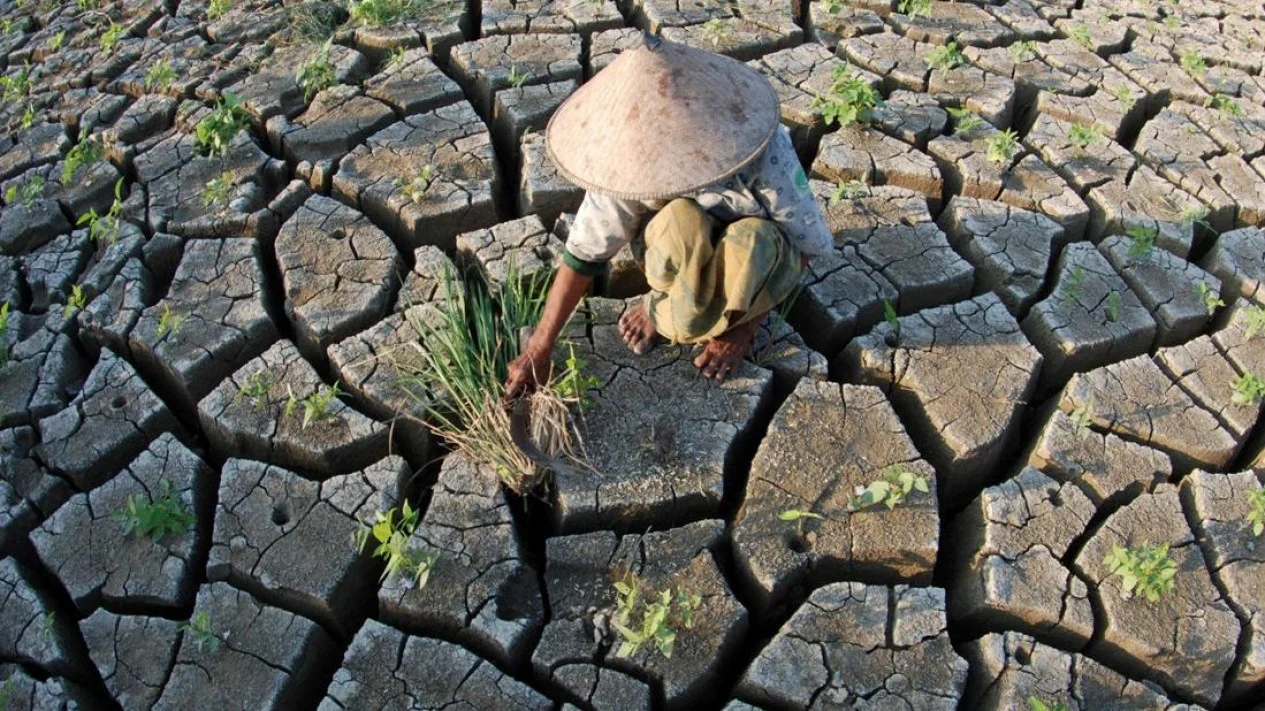
The Meteorology, Climatology and Geophysics Agency (BMKG) predicts that most parts of Indonesia will enter the dry season earlier this year.
BMKG head Teuku Faisal Fathani said this condition is caused by the ending of the Weak La Ni phenomenon in February 2026. It then shifted to a Neutral phase and could potentially move towards El Nio in mid-year.
Teuku noted that monitoring of global climate anomalies in the Pacific Ocean shows the current ENSO index at -0.28 (Neutral), forecast to persist until June 2026.
However, from mid-year there is a 50-60 percent chance of El Ni0 category Weak-to-Moderate emerging in the second half of this year, which warrants attention.
Meanwhile, the Indian Ocean Dipole (IOD) is predicted to remain stable in the Neutral phase throughout the year, Teuku said in Jakarta on Thursday 5 February 2026.
BMKG records 114 Dry Season Zones (ZOM), or 16.3 percent of Indonesia, entering the dry season in April 2026.
This includes the northern coast of western Java, most of Central Java through East Java, West Nusa Tenggara (NTB), East Nusa Tenggara (NTT), and parts of Kalimantan and Sulawesi.
The regions predicted to experience an earlier start to the dry season include most of Sumatra, Java, Bali, Nusa Tenggara, southern and eastern Kalimantan, most of Sulawesi, Maluku, and parts of Papua.
Teuku explained that, according to BMKG’s analysis, most dry-season peaks are projected to occur in August 2026. Other regions will reach their peak in July and September.
Meanwhile, areas entering their peak in July include parts of Sumatra, central and northern Kalimantan, and parts of Java, Nusa Tenggara, Sulawesi, Maluku, and the western region of Papua.
In August, peak dry-season predominantly affects central and southern Sumatra, Central Java to East Java, most of Kalimantan and Sulawesi, all of Bali and Nusa Tenggara, and parts of Maluku and Papua.
By September, the peak dry-season remains in parts of Lampung, a small portion of Java, and most of East Nusa Tenggara (NTT).