
BMKG: Hot Weather to Begin in April to May 2026 in East Kalimantan Region Due to Seasonal Transition
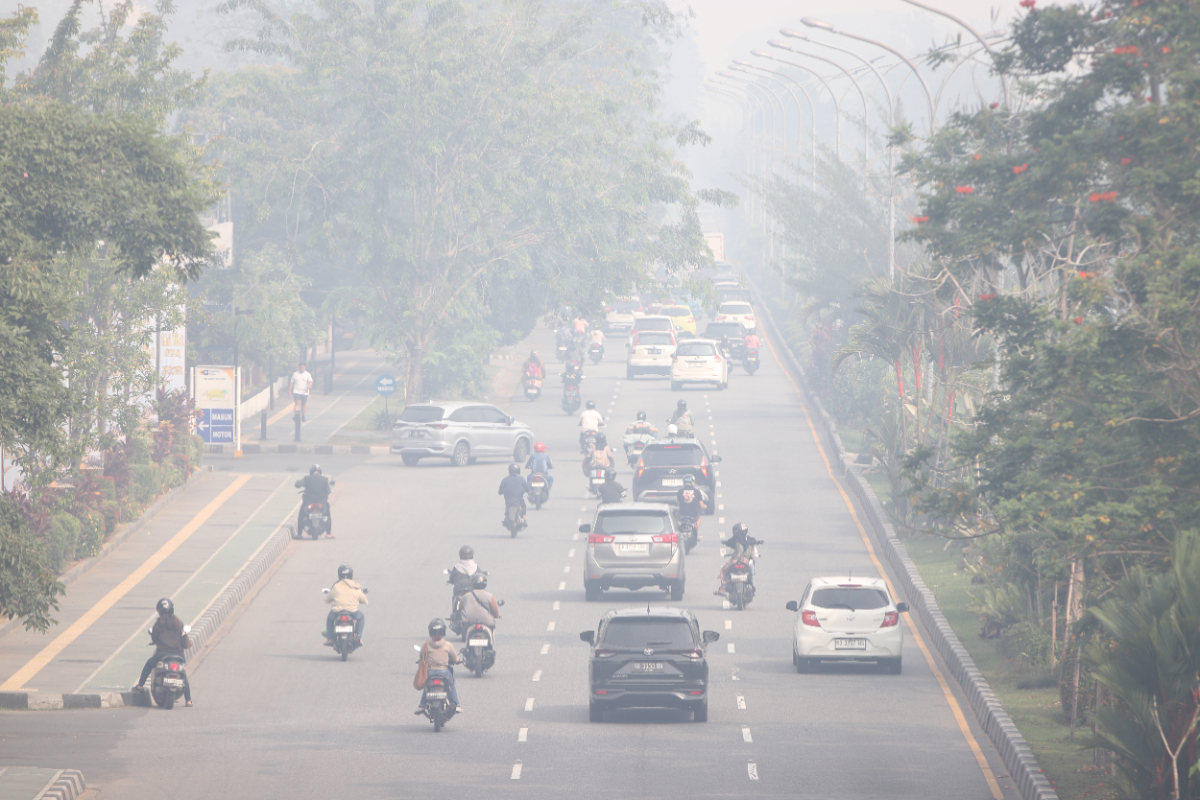
The Indonesian Meteorological, Climatological, and Geophysical Agency (BMKG) has confirmed that the scorching hot weather affecting Samarinda City, East Kalimantan (Kaltim), in recent days has been triggered by the equinox phenomenon. BMKG forecaster in Samarinda, Fathul Hidayatullah, explained in Samarinda on Monday that the equinox is an annual astronomical cycle when the apparent position of the Sun is directly above the equator line. This phenomenon, which routinely occurs in March and September, causes the intensity of solar radiation in the Kalimantan region to reach its maximum point. “In addition to the Sun’s position factor, the minimal cloud cover in recent days has allowed solar radiation to directly reach the Earth’s surface without obstruction. This is what makes the temperature feel extremely hot,” said Fathul. Based on data from the APT Pranoto Meteorological Station, the maximum temperature in Samarinda has reached 34 degrees Celsius. However, the public is urged not only to be wary of the intense heat, as more dynamic weather challenges lie ahead. Towards the end of April to May, he said, the East Kalimantan region is predicted to enter a transitional period or pancaroba. During this phase, weather patterns tend to change drastically and have the potential to become extreme. Fathul explained that intense heating since morning triggers significant growth of convective clouds (Cumulonimbus). “The impact is the potential for heavy rain of short duration in the afternoon or evening, often accompanied by strong winds,” he added. BMKG also provides education so that the public can differentiate types of wind phenomena. Wind is categorised as strong if its speed exceeds 25 knots (45 km/h). This condition differs from a tornado, which has visual characteristics in the form of a spiral vortex of wind that is destructive. He provided education to the public on facing extreme weather, namely to maintain body hydration by increasing routine consumption of plain water to prevent dehydration due to high air temperatures. Second, by protecting oneself with sunscreen and physical protectors such as umbrellas or hats when engaging in outdoor activities. Third, by being wary of falling trees because during strong winds in the pancaroba period, avoid sheltering under large trees, billboards, or fragile buildings. Finally, by maintaining immune strength, as fluctuating weather changes (from hot to rain) are prone to triggering decreased stamina, flu, and fatigue. The public is expected to continue monitoring weather information updates periodically through official channels or the Info BMKG application to support safety during activities.