
BMKG Confirms No Further Evacuation Needed After North Maluku-North Sulawesi Tsunami Warning Lifted
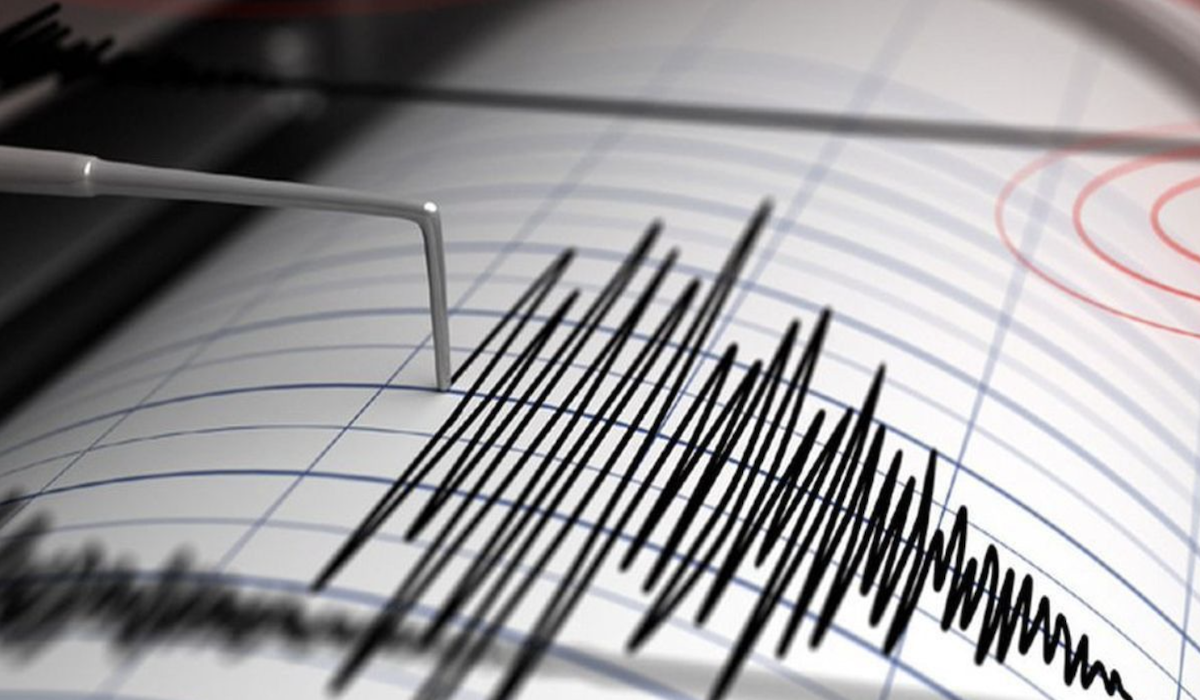
The Indonesian Agency for Meteorology, Climatology, and Geophysics (BMKG) has emphasised that the public does not need to carry out further evacuations after the early tsunami warning due to the magnitude 7.6 earthquake in the North Maluku and North Sulawesi regions was officially lifted.
BMKG Head Teuku Faisal Fathani stated that, in accordance with applicable procedures, the cancellation of the tsunami warning means there are no longer any recommendations for additional evacuations for affected residents. Those who previously evacuated are permitted to return home, provided they first check the condition of their buildings to ensure safety.
According to Faisal, BMKG conducted a rapid analysis in less than two minutes after the earthquake occurred. This process includes monitoring seismic activity and simulations based on thousands of scenarios to accurately assess tsunami potential.
He stressed that once the warning status is lifted, further on-site handling is the responsibility of disaster authorities and rescue teams, such as BPBD, Basarnas, and other relevant agencies. BMKG, he said, remains focused on monitoring the situation and is prepared to issue new warnings if further threats are detected.
BMKG also urged the public not to be swayed by panic. Residents are advised to remain calm, follow instructions from local authorities, and continue to monitor official information from the government and authorised institutions.
To support the rapid dissemination of information, BMKG relies on around 550 Warning Receiving System (WRS) devices distributed at strategic points. In North Maluku and North Sulawesi, this system is bolstered by nine tide gauges, operation control centres, government offices, and disaster-prone areas.
Through this network, information from BMKG’s monitoring centre can be forwarded directly and in real time to stakeholders, including BNPB and Basarnas. This scheme is considered crucial for accelerating responses and decision-making in the field during emergencies.