
BMKG collaborates with private sector for weather modification operation to prevent forest and land fires in Jambi and South Sumatra
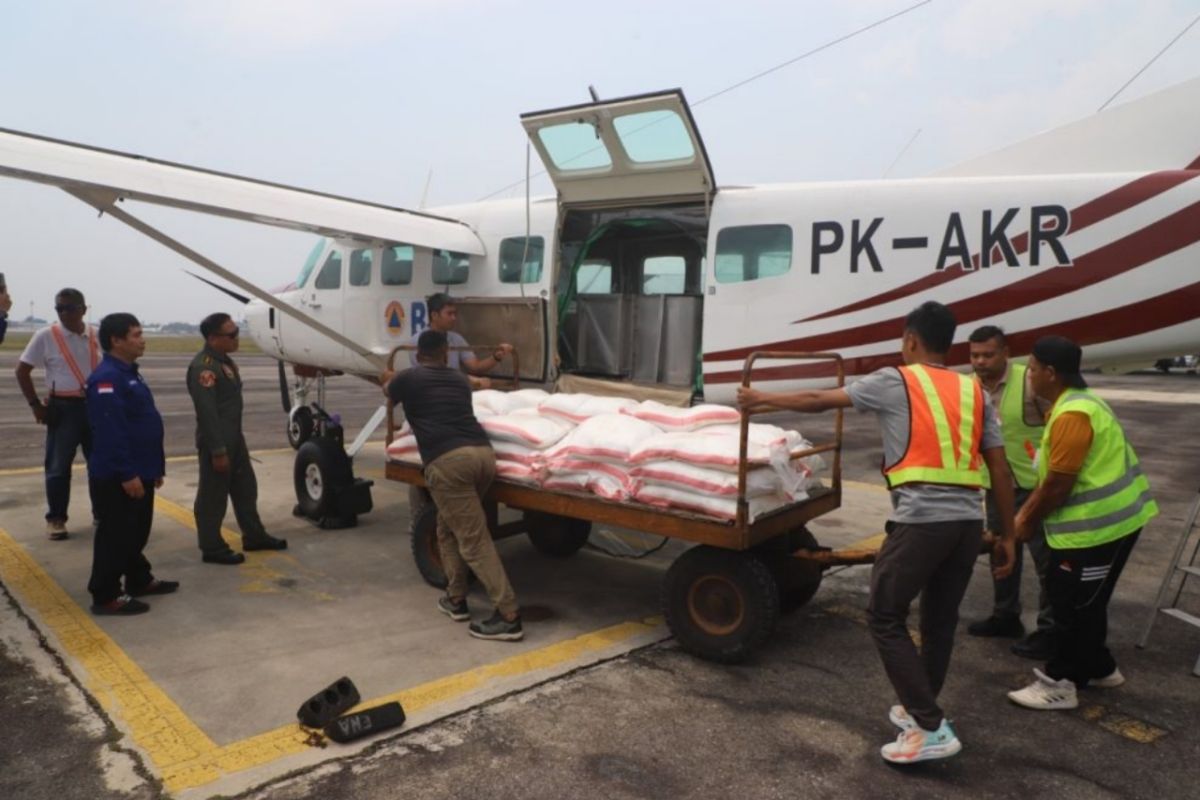
Jakarta (ANTARA) - The Indonesian Agency for Meteorology, Climatology, and Geophysics (BMKG) is coordinating the implementation of Weather Modification Operations (OMC) in Jambi and South Sumatra provinces in collaboration with the private sector as the dry season increases hot spot detections.
Director of Weather Modification Operations at BMKG, Budi Harsoyo, confirmed in a statement in Jakarta on Friday that the OMC in these two provinces was initiated by the Ministry of Forestry with support from the private sector.
OMC is conducted by seeding clouds with salt or sodium chloride (NaCl) using aircraft to enhance rainfall potential in a region, thereby keeping vulnerable forest and land areas, such as peatlands, protected from easy ignition.
“BMKG is in the coordination phase with stakeholders in Jambi and South Sumatra. On the initiative of the Directorate of Forest Fire Control, HTI companies. Other stakeholders also include local governments/BPBD and BNPB to re-moisten land through OMC,” he said.
In its implementation, BMKG acts as a supervisor and provider of technical oversight, even though the operations are carried out by private weather modification operators. This ensures the accuracy of targets and daily operational strategies.
In addition to Jambi and South Sumatra, BMKG is currently implementing OMC in Riau and West Kalimantan regions.
These operations aim to increase peat groundwater levels so that the land has resilience against fires during periods of declining rainfall.
“All operations carried out by the private sector must have BMKG supervision. One of them is to determine targets, objectives, and daily operational strategies,” he stated.
In carrying out this forest and land fire (karhutla) prevention mission, BMKG collaborates with various other stakeholders, including the National Disaster Mitigation Agency (BNPB), local governments, and local BPBD.
Budi emphasised that the integration of BMKG’s weather data and cross-sector collaboration plays a crucial role in minimising karhutla disaster risks in vulnerable areas.