
BMKG: 2026 dry season arrives earlier, most regions drier and longer
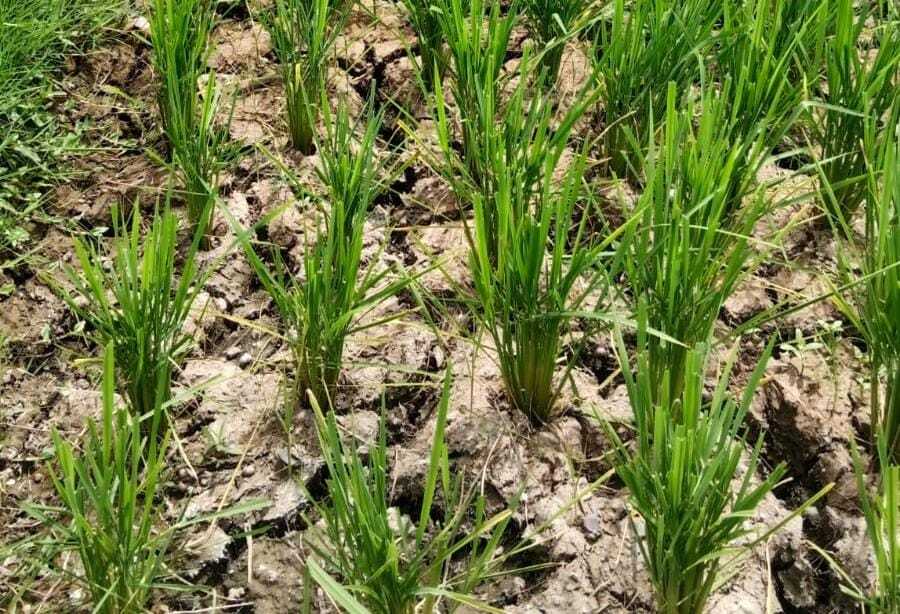
The Badan Meteorologi, Klimatologi, dan Geofisika (BMKG) predicts that the 2026 dry season will arrive earlier than usual in most of Indonesia and will be drier than normal. The peak of the dry season is expected in August 2026 and will cover more than 60% of the country. BMKG head Teuku Faisal Fathani explained that shifts in global climate dynamics are a major driver. The weak La Niña, which ended in February 2026, has moved to a neutral phase, with a 50–60% chance of weak to moderate El Niño in the second half of the year.
“Global climate anomaly monitoring in the Pacific Ocean shows the ENSO index at -0.28 or neutral phase and is projected to persist until June 2026. However, starting mid-year, the probability of weak-to-moderate El Niño at 50–60% should be monitored,” Faisal said on Wednesday (4/3).
He added that the Indian Ocean Dipole (IOD) is predicted to remain neutral throughout the year. Nevertheless, the transition from the West Wind Monsoon (Asian monsoon) to the East Wind Monsoon (Australian monsoon) will mark the start of the dry season in various regions.
BMKG data show that 114 Rainy Season Zones (ZOM) or 16.3% of Indonesia will enter the dry season in April 2026. The regions include the northern coast of western Java, much of Central Java to East Java, West Nusa Tenggara, East Nusa Tenggara, and portions of Kalimantan and Sulawesi.
Deputy for Climatology Ardhasena Sopaheluwakan detailed that 184 ZOM (26.3%) will follow in May and 163 ZOM (23.3%) in June. In total, 325 ZOM or 46.5% of the area are predicted to experience an early onset of the dry season.
“Areas expected to experience an earlier dry season include most of Sumatra, Java, Bali, Nusa Tenggara, southern and eastern Kalimantan, most of Sulawesi, Maluku and parts of Papua,” he said.
The peak of the dry season is expected to occur in August 2026 in 429 ZOM or about 61.4% of Indonesia. Some regions will reach the peak in July and September. Not only will it arrive earlier, but the dry season is also projected to be drier this year.
A total of 451 ZOM (64.5%) are predicted to experience below-normal dry-season conditions or drier than usual. Meanwhile, 245 ZOM (35.1%) fall into the normal category, and only 0.4% of areas may be wetter than normal.
“Under these conditions, the duration of the dry season across 57.2% of Indonesia is predicted to be longer than normal,” Faisal said.
BMKG warns that these conditions could raise the risks of drought, disruption to food production, shortages of clean water, and forest and land fires. Therefore, early warnings released must be translated quickly into concrete actions by stakeholders.
In agriculture, farmers are advised to adjust planting schedules by selecting water-saving and drought-tolerant varieties. In water resources, the government is urged to strengthen reservoir management and distribution networks to ensure clean-water availability and support hydroelectric power plant operations.
Moreover, local governments are asked to improve readiness for potential air quality deterioration and strengthen forestry sector monitoring to prevent fires.
“All of this forecasting information is a form of early warning that must be turned into early action to minimise the risk of drought disasters in Indonesia,” Faisal concluded. (E-4)
BMKG projects that the 2026 dry season in Indonesia will arrive earlier, in April, and will feel drier than last year. See the list of affected areas here.
BMKG projects that the general characteristics of the 2026 dry season will be Below Normal or drier than usual in 451 ZOM (64.5%) and Normal in 245 ZOM (35.1%).
BMKG predicts some regions will experience an earlier start to the dry season. The peak of the dry season in August.
BMKG predicts the 2026 dry season in Indonesia will be drier than 2025. The early start of the dry season is in April 2026. See the list of affected areas here.