
BMH and Wakaf Salman Engage Local Food Stalls to Distribute Iftar Aid in Aceh Tamiang
Jakarta — Food security needs for disaster survivors during Ramadhan represent not only a humanitarian concern but also an opportunity to stimulate local economic activity in affected regions. Assistance schemes involving local business operators are being implemented to ensure social aid produces wider economic impact.
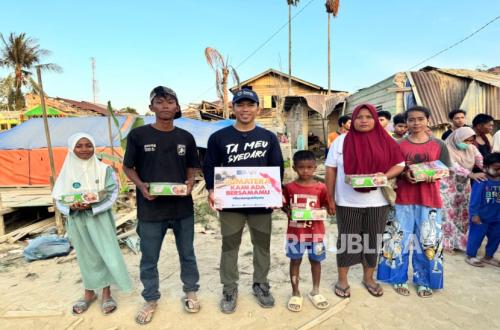
This approach was applied in the distribution of 200 iftar meal packages to flood survivors in Lintang City, Aceh Tamiang Regency, on Sunday (8 March 2026). The programme, implemented by the National Zakat Collection Institution Baitul Maal Hidayatullah (BMH) in collaboration with Wakaf Salman, engaged local food stalls to prepare iftar menus for affected residents.
Assistance was targeted at residents still living in temporary shelters in Kampung Pipa area, within the remote Seumadam region.
To date, more than 90 per cent of survivors remain sheltering in temporary tents, whilst some residents occupy houses whose conditions have not fully recovered from previous flooding.
Volunteers prepared meal packages that were subsequently distributed directly to temporary shelters and residents’ homes for consumption during iftar time. Through this approach, residents’ consumption needs were met whilst simultaneously creating demand for small food stalls in the affected area.
“Collaboration between Wakaf Salman and BMH demonstrates how social concern can deliver tangible impact for communities struggling to rebuild their lives,” said Syamsuddin, Director of Prodaya BMH Centre.
Assistance schemes involving local business operators are considered capable of strengthening the social impact of humanitarian programmes, particularly in regions still undergoing post-disaster recovery.