
Blue Moon and Micromoon to Occur Tomorrow Night – What Are They?
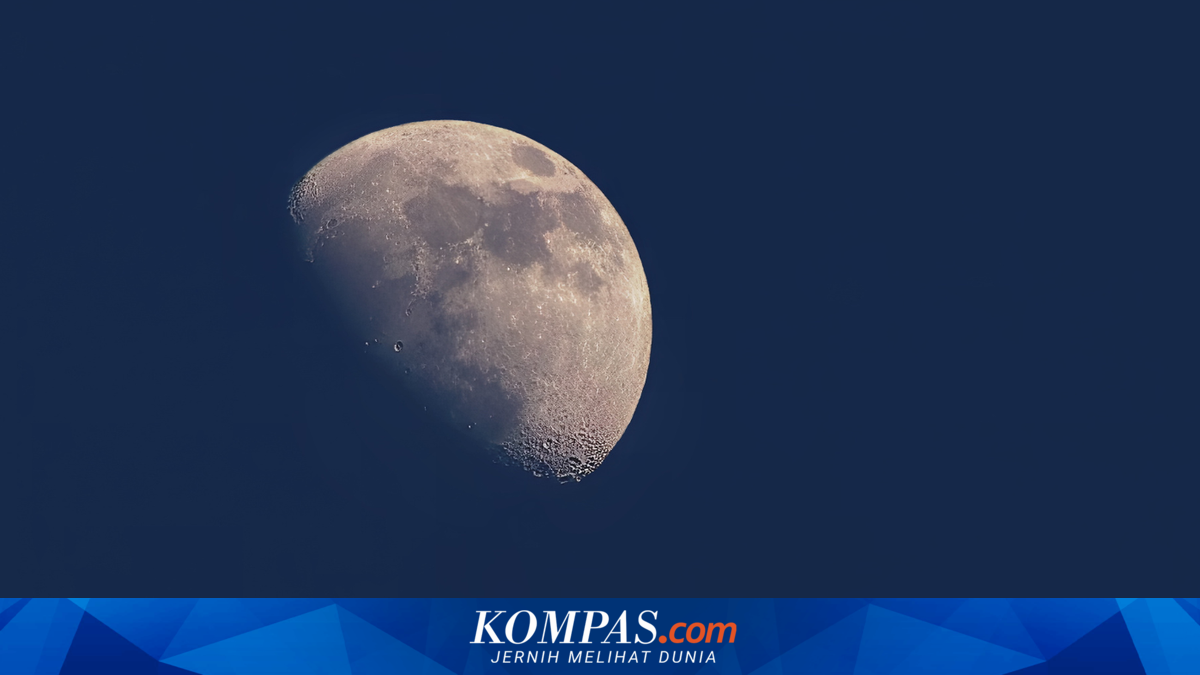
Astronomy enthusiasts and skywatchers in Indonesia should prepare: tonight and Monday night will showcase a rare celestial phenomenon.
Two commonly used astronomical terms, Blue Moon and Micromoon, will adorn the night sky. Those expecting the moon to suddenly turn bright blue or drastically shrink should first understand the scientific explanation to avoid misconceptions.
The Blue Moon phenomenon is scheduled to be visible from Sunday night into Monday morning, while Micromoon will occur on Monday night.
Marufin Sudibyo, an amateur astronomer from the Ekliptika institution, explained that these terms have no scientific basis in astronomy. “The term ‘Blue Moon’ has no astronomical scientific background but stems from American folklore that began in 1937. It was not recognised before then. A Blue Moon refers to the second full moon in a Gregorian calendar month, particularly when there are 13 full moons in a Gregorian year.”
Typically, a Gregorian calendar year from January to December has 12 full moons. However, if a full moon occurs early in the year and falls in the middle of a calendar month, that month may have two full moons. The second full moon in such a month is called a Blue Moon, and this event will occur in May 2026.
Unlike Micromoon, which happens regularly around mid-year, the Blue Moon phenomenon is random, appearing roughly every 32 to 33 months, or about 41 times per century.
On Monday night, the sky will be graced by a Micromoon. Similar to Blue Moon, Micromoon is a popular term used by the public and not an official astronomical term.
“Like the terms Supermoon and Blue Moon, Micromoon also lacks scientific basis in astronomy. Astronomers typically use the term ‘apogee full moon’ as the full moon occurs near the apogee point, where the moon is farthest from Earth,” he explained.
At apogee, the moon is approximately 406,000 kilometres from Earth’s centre. This increased distance makes the full moon appear about 10% smaller compared to a supermoon (when the moon is closest to Earth).