
Blok M: Beyond Shopping, a Community Hub
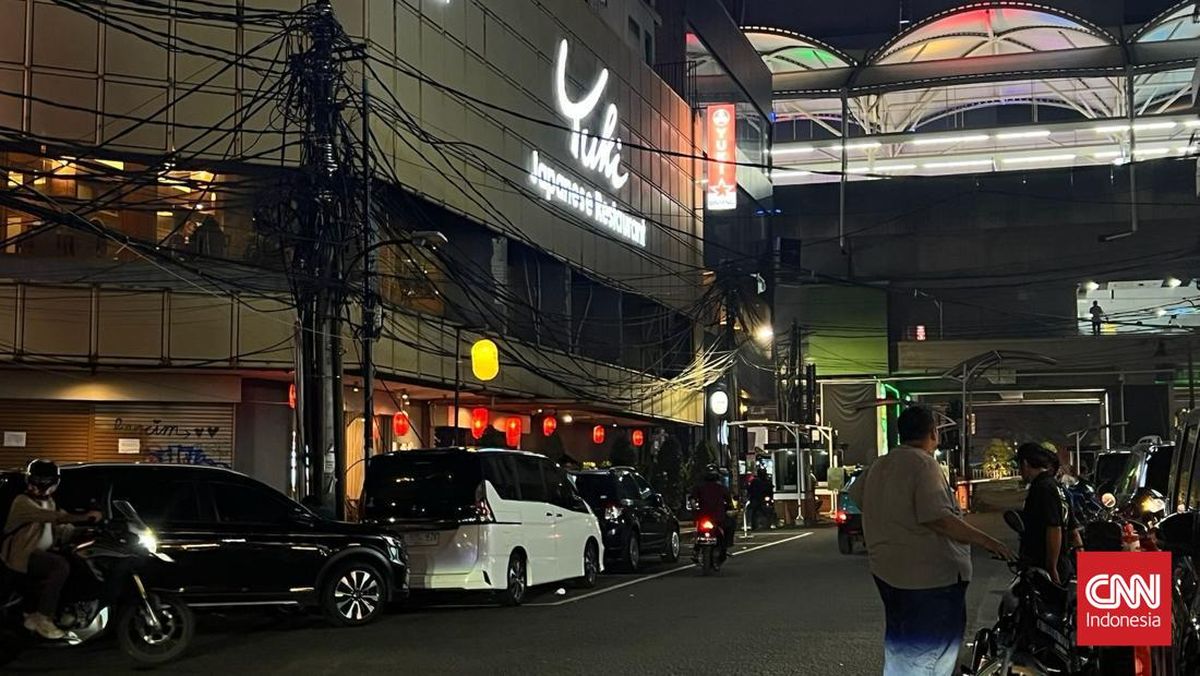
The Jakarta provincial government is continuing efforts to transform the Blok M area. Once dormant, the district is now thriving again. One reason Blok M has regained popularity is that nearly all public transport routes converge or pass through the area. Historically, Blok M Terminal was Jakarta’s largest city terminal. Currently, many TransJakarta routes run through or terminate at Blok M, complemented by integration with the Mass Rapid Transit (MRT). ‘All public transport facilities now converge on Blok M. Of the six newly launched Transjabodetabek routes, three—Alam Sutera-Blok M, PIK 2-Blok M, and Ancol-Blok M—were specifically introduced to support the area’s revival,’ said Jakarta Governor Pramono Anung in October 2025. He was inaugurating the new New M Bloc Space at M Bloc Live House in South Jakarta. Pramono stated the new venue aligns with Jakarta’s vision of becoming an inclusive, competitive global city supportive of creative communities. ‘This is an inclusive and open creative space where everyone has equal opportunity to innovate,’ he said. Since its 2019 launch, M Bloc Space has become a vibrant hub of creativity and collaboration, recognised by locals, tourists, and international media. Pramono assessed the revitalisation efforts have delivered significant social, economic, and cultural impacts on the city’s landscape. Community activities, music festivals, art exhibitions, and SME initiatives have made the area dynamic and productive. Pramono stressed that Blok M is not merely a shopping hub but a meeting point for diverse communities. Meanwhile, DKI Jakarta Regional House of Representatives member Ali Lubis said the area’s redevelopment is crucial due to its historical value and strategic location for Jakarta’s urban identity. ‘In my view, the Jakarta provincial government is refocusing on Blok M because of its historical significance and substantial strategic value in economic, transport, and urban identity terms,’ Ali Lubis said. Ali noted easy transport access is key to reviving the area. Comprehensive public transport infrastructure makes Blok M highly accessible. He added that well-planned transport and pedestrian facilities not only improve mobility but also stimulate the city’s economy through revived local businesses, youth initiatives, and urban tourism. ‘Therefore, when the area thrives, its economic benefits directly reach SMEs, entrepreneurs, youth, and urban tourism sectors,’ Ali said.