
BlackRock Boss Larry Fink Warns of Global Recession if Oil Prices Break US$150
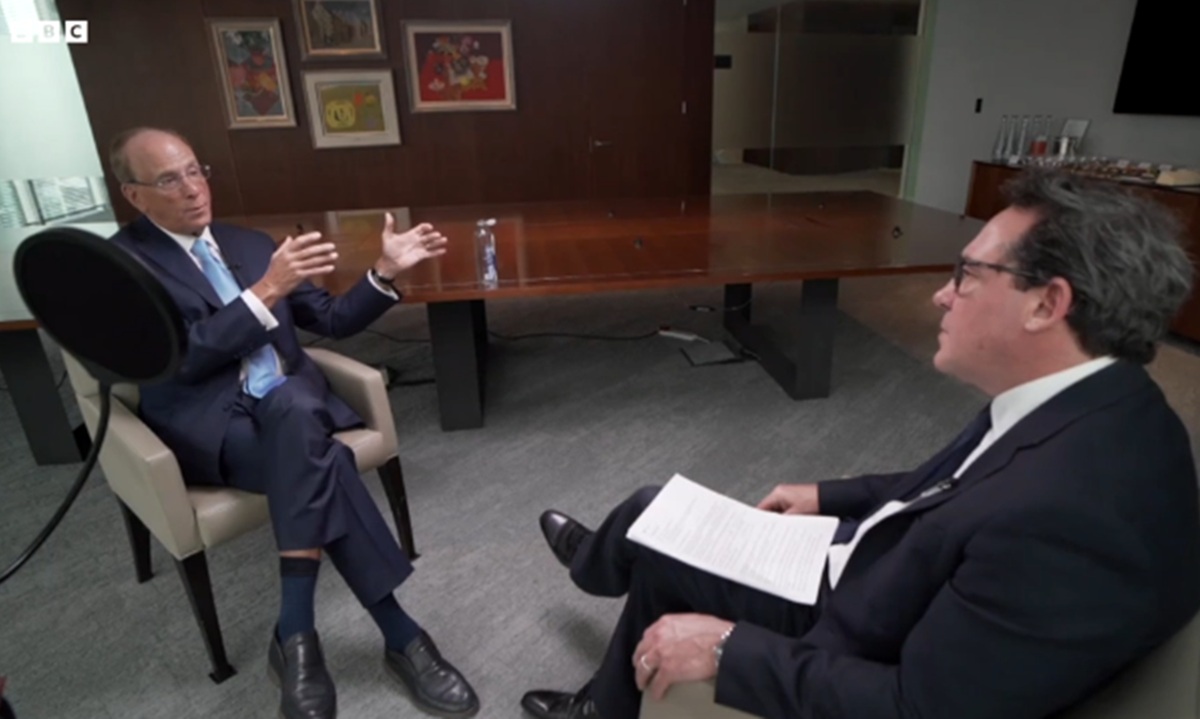
Larry Fink, CEO of BlackRock and leader of the world’s largest asset manager, has issued a stern warning regarding the future of the global economy. In an exclusive interview with the BBC, Fink stated that the world is at risk of facing a “sharp and steep” recession if crude oil prices surge to US$150 per barrel.
As the founder of a company managing assets worth US$14 trillion (approximately Rp220,000 trillion), Fink’s views serve as a crucial barometer for the health of the global economy. According to him, high tensions in the Middle East, particularly threats from Iran, are the determining factor for the future direction of energy prices.
Fink predicts two main scenarios resulting from the ongoing conflict. The first scenario is that if the conflict subsides and Iran is accepted back by the international community, oil prices could potentially fall to pre-war levels.
However, he is more concerned about the second scenario. “There will be years of oil prices above US$100, approaching US$150, which has profound implications for the economy,” said Fink. He added that the end result would be a “likely rigid and steep recession.”
This surge in energy prices is seen by Fink as a heavy burden on lower-class communities. “Rising energy prices are a highly regressive tax. It impacts the poor more than the rich,” he emphasised.
Amid market concerns, Fink dismissed the notion that the massive investments in Artificial Intelligence (AI) currently represent a bubble. Instead, he stressed the importance of technological dominance so that Western countries do not fall behind China.
However, he highlighted a shift in workforce needs. According to him, the current education system is too focused on university degrees and neglects technical training. Fink predicts that AI will actually increase the demand for skilled field workers.
“We are really assessing so many jobs and people who might not have gone into banking, media, or law, [who] might have been great hands-on workers, and we need to rebalance that approach now,” said Fink.
He referred to the post-World War II education pattern in the US that overly encouraged young people to attend university. “We need to balance that, and we must be proud that… careers can be just as strong in plumbing and electrical work,” he added.
Despite the shadow of recession looming, Fink affirmed that the current situation is entirely unlike the 2007-2008 financial crisis. He is confident that financial institutions today are far safer and more stable.
“I see no similarities at all. Zero,” Fink concluded in response to concerns about cracks in the global financial system. (BBC/Z-2)