
BKSDA Takes Firm Action Against Tapir Trafficking and Releases Eagles into the Wild
JAKARTA – Efforts to protect wildlife in Indonesia continue to be strengthened through various concrete actions, ranging from habitat restoration in Bali, firm action against illegal trafficking in West Sumatra, to the development of educational facilities in South Kalimantan. These three incidents demonstrate the dynamic nature of conservation efforts involving government, law enforcement, and public awareness.
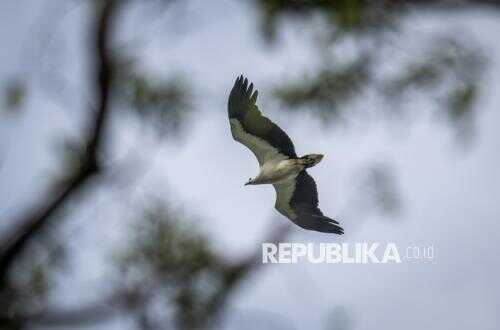
In Bali, the Natural Resources Conservation Agency (BKSDA) recently released eight protected animals in the Buyan-Tamblingan Lakes Nature Park area, Buleleng Regency, on Saturday (28 February). The animals included one crested serpent eagle, one black-headed python eagle, two Javanese porcupines, and four palm civets.
Before release, the animals—which originated from confiscation and public surrender—underwent lengthy rehabilitation at the PPS Bali Foundation and habituation stages to ensure they could adapt and strengthen populations in the wild. Bali BKSDA Head Ratna Hendratmoko emphasised the agency’s commitment to continuing post-release monitoring to guarantee the animals’ survival.
However, amidst these conservation efforts, serious challenges persist from the prevalence of illegal wildlife trafficking. In West Sumatra, BKSDA, working with police and conservation organisations, successfully thwarted the trafficking of Malayan tapir (Tapirus indicus).
Two suspects, with initials RH and AF, were arrested in Pasaman Regency whilst attempting to transport one tapir to Medan, North Sumatra, using an open-bed vehicle on Thursday (26 February).
The arrest resulted from a public tip-off about a planned sales transaction. Based on investigation results, the suspects admitted they had been promised Rp6 million (approximately £280) for delivery. They now face prison sentences of up to 15 years under Law No. 32 of 2024 on the Conservation of Natural Resources and Ecosystems.
On another front, early education has become key to reducing animal conflicts and illegal trafficking in the future. Recognising this, Banjarmasin City Government through its Food Security, Agriculture, and Fisheries Service (DKP3) is preparing significant efforts to improve the Jahri Saleh Wildlife Education Park by 2026.