
BKPM Simplifies Business Identification Number Application Process for Micro-Enterprises
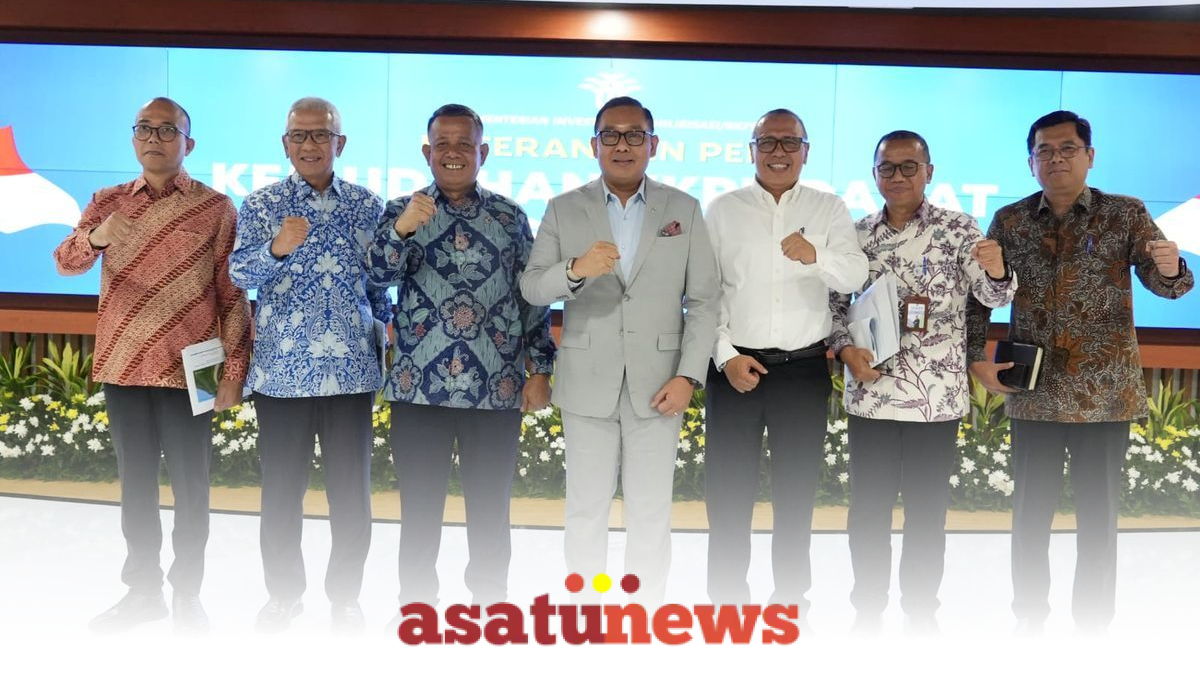
BKPM Simplifies NIB Processing for Micro-Enterprises
The Ministry of Investment and Downstreaming/BKPM has issued a new circular to simplify the process of obtaining a Business Identification Number (NIB) for micro-enterprises.
The purpose of this regulation is to reduce administrative obstacles, particularly those related to location permits or the Approval of Conformity for Space Utilisation Activities (PKKPR), which have previously slowed down the issuance of NIBs.
The Deputy Minister of Investment and Downstreaming, Todotua Pasaribu, stated that this policy is a response to complaints from micro-enterprises regarding the difficulties they face in obtaining NIBs due to the cumbersome location permitting process.
According to him, this situation has resulted in delays in the realisation of business legality, which should have been obtainable more quickly.
“We at the Ministry of Investment and Downstreaming have now issued a Circular from the Minister of Investment and Downstreaming/Head of BKPM Number 1S Year 2026 concerning the Provisions for the Issuance of Conformity for Land Space Utilisation Activities for Micro-Enterprises,” said Todotua Pasaribu at a press conference at his office on Tuesday (24/2/2026).
In the circular, micro-enterprises are allowed to submit a self-declaration regarding their business location. This mechanism processes the approval automatically without the technical inspection stages as in the previous procedure.
“The PKKPR still exists, but it can be done with a self-declaration,” he said.
He added, “So, it is enough to state the location and address, without the need for further technical verification, and the NIB can then be issued.”
The government plans to strengthen the legal basis of this policy by turning it into a Ministerial Regulation within the next three months, to provide a stronger and more binding legal framework.
To date, ministry data shows that approximately 15.2 million Business Identification Numbers (NIBs) have been issued. Approximately 14.9 million of these are from micro-enterprises. Meanwhile, the potential number of micro-enterprises in Indonesia is estimated to reach 56 million units, meaning that there are still around 40 million micro-enterprises that do not have formal legality.
Todotua affirmed that this simplification of the permitting process benefits both businesses and the state. The more MSMEs that are officially registered, the greater the potential for increasing their contribution to state revenue and strengthening the national economic base.
“This will automatically increase the revenue contribution from the MSME sector,” he emphasised.
What’s Your Reaction?
0 Like
0 Dislike
0 Funny
0 Angry
0 Sad
0 Wow