
BKPM Chief Reveals US$644 Billion Infrastructure Investment Opportunity in Indonesia
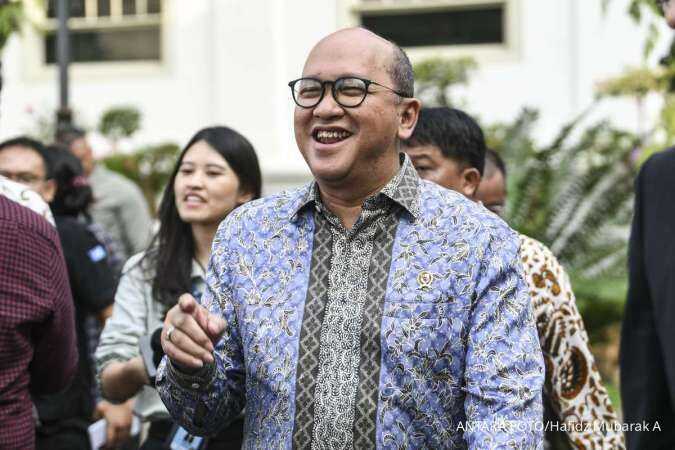
Minister of Investment and Downstreaming, who also serves as Head of the Investment Coordinating Board (BKPM), Rosan Perkasa Roeslani, has revealed that Indonesia’s infrastructure investment opportunities are valued at US$644 billion.
Rosan explained that of the total investment potential, approximately 40% would be funded by the government and 30% by the private sector, with the remainder financed by state-owned enterprise (BUMN) investment.
“Indonesia has numerous investment opportunities, one of which is in the renewable energy sector. The potential reaches 3,007.7 gigawatts, but currently installed capacity is only around 15 gigawatts, less than 1%,” Rosan said at the International Conference on Infrastructure (ICI) 2025.
He highlighted geothermal potential as a particularly attractive sector, given that Indonesia possesses one of the world’s largest geothermal reserves, particularly on the islands of Java and Sumatra.
The government, through the Ministry of Investment, is committed to creating a more conducive investment climate by accelerating bureaucratic reform, licensing deregulation, and strengthening the Online Single Submission (OSS) system.
“Currently, six ministries are integrated into the OSS and we are targeting another 12 ministries to follow suit, so that the licensing process becomes increasingly transparent and efficient,” he affirmed.
Beyond the energy sector, Rosan also emphasised the importance of industrial downstreaming in increasing the added value of Indonesia’s natural resources. He noted that nickel downstreaming is a priority, as Indonesia holds the world’s largest nickel reserves — approximately 42% of total global reserves — spread across Sulawesi and Maluku.
“We will also promote downstreaming in the coconut and seaweed sectors, which will not only increase added value but also empower smallholder farmers across Indonesia,” he added.
Meanwhile, Indonesia is also preparing to strengthen its digital infrastructure in line with rapid digital economic growth. The country’s digital economy is currently estimated at US$130 billion and is projected to surge to US$360 billion by 2030. One highlighted opportunity is data centre development, where currently installed capacity is only around 600 megawatts, far below the maximum potential of 3.7 gigawatts.
Furthermore, Rosan stressed the importance of collaboration between the government, state-owned enterprises, and the private sector to optimise existing potential. The government is also opening opportunities for cooperation with foreign investors through partnership schemes, based on the principle of balanced risk and benefit sharing.
“We want investment that brings dual benefits: returns for investors and the creation of quality employment for the Indonesian people. Each year, there are approximately two million additional workers entering the labour force whom we must accommodate,” Rosan said.
He also expressed appreciation for the collaboration established with various parties in driving Indonesia’s future development. “We are ready to be a solid partner for investors and hope that your presence can strengthen national economic growth,” Rosan said.