
BKKBN: Free Nutritious Meals and Village Cooperatives to Accelerate Economic Equity and Prevent Urban Migration Surge
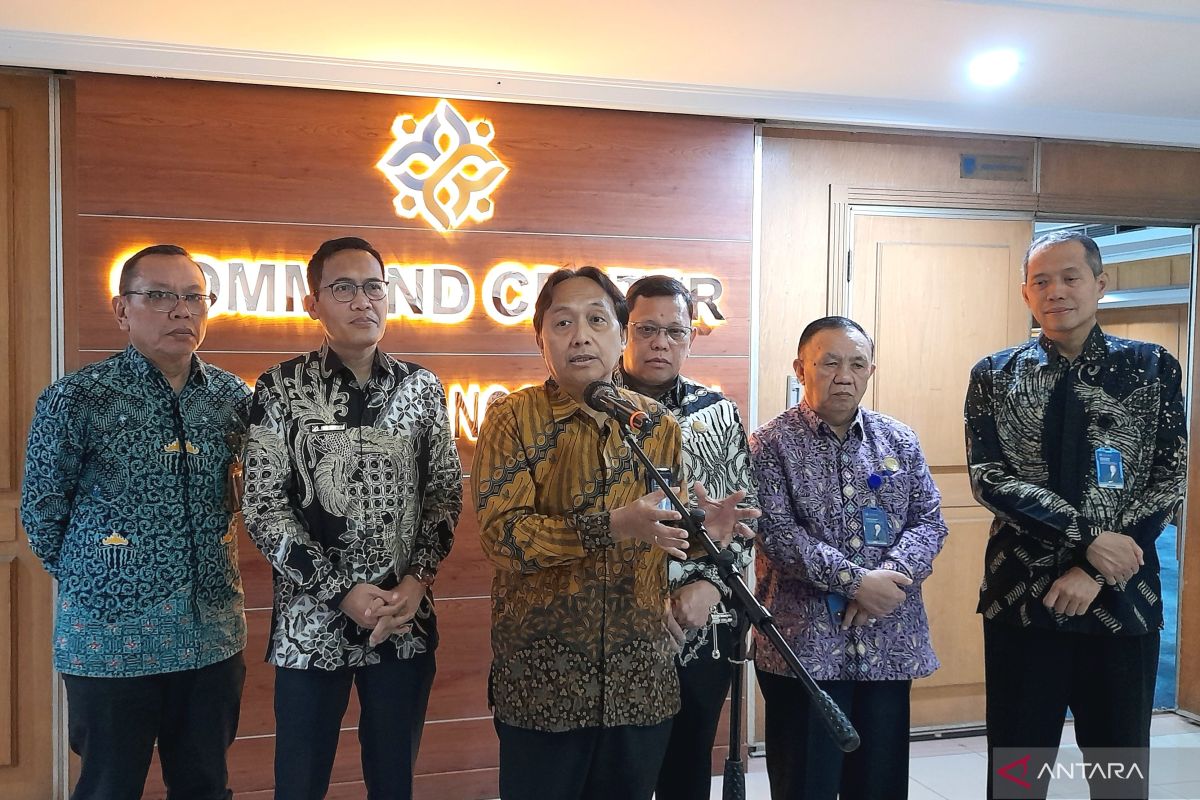
Jakarta (ANTARA) - The Ministry of Population and Family Development (Kemendukbangga)/BKKBN states that the Free Nutritious Meals (MBG) programme up to the Red and White Village/Urban Village Cooperatives can accelerate economic equity in regions to prevent the overflow of urbanisation to cities.
“For example, the President has several programmes, including MBG and the Red and White Village/Urban Village Cooperatives, which can actually serve as one of the engines of the regional economy so that they do not have to move to the city (to find work), thus creating balance, the open unemployment rate can decrease, not just in the city, but also increasingly reduced in the regions,” said Deputy for Population Control at Kemendukbangga/BKKBN Bonivasius Prasetya Ichtiarto in Jakarta on Wednesday.
Bonivasius explained that based on current data, the open unemployment rate in cities is actually higher compared to villages, meaning there is still a shortage of job opportunities, as well as a gap between available jobs and the competencies possessed by the population.
“Now it’s around 4 point something million, yes, the open unemployment rate, but it’s higher in cities than in villages. This means there is indeed still a shortage of job opportunities at various levels in the regions, so we must find ways to create new economic growth in those villages,” he elaborated.
“Our ministry through PJPK is also designing certifications that match the job opportunities. So, there will be a kind of job market that provides a list of what jobs are available, what competencies are needed, while our population, what their competencies are like,” Bonivasius said.
Meanwhile, the Secretary of Kemendukbangga/Chief Secretary of BKKBN Budi Setiyono conveyed that if regions can create good economic growth, the population does not need to migrate far just to find work.
“Therefore, we continue to encourage local governments to have economic centres that enable communities to work in their own areas, without having to go to big cities like Jakarta, Bandung, or Surabaya,” Budi said.
“Currently, we are developing a population dashboard system so that regions can monitor the population numbers, migration flows, and necessary anticipatory steps,” Budi added.