
Bitcoin Corrects After The Fed's New Policy, Here's the Analysis
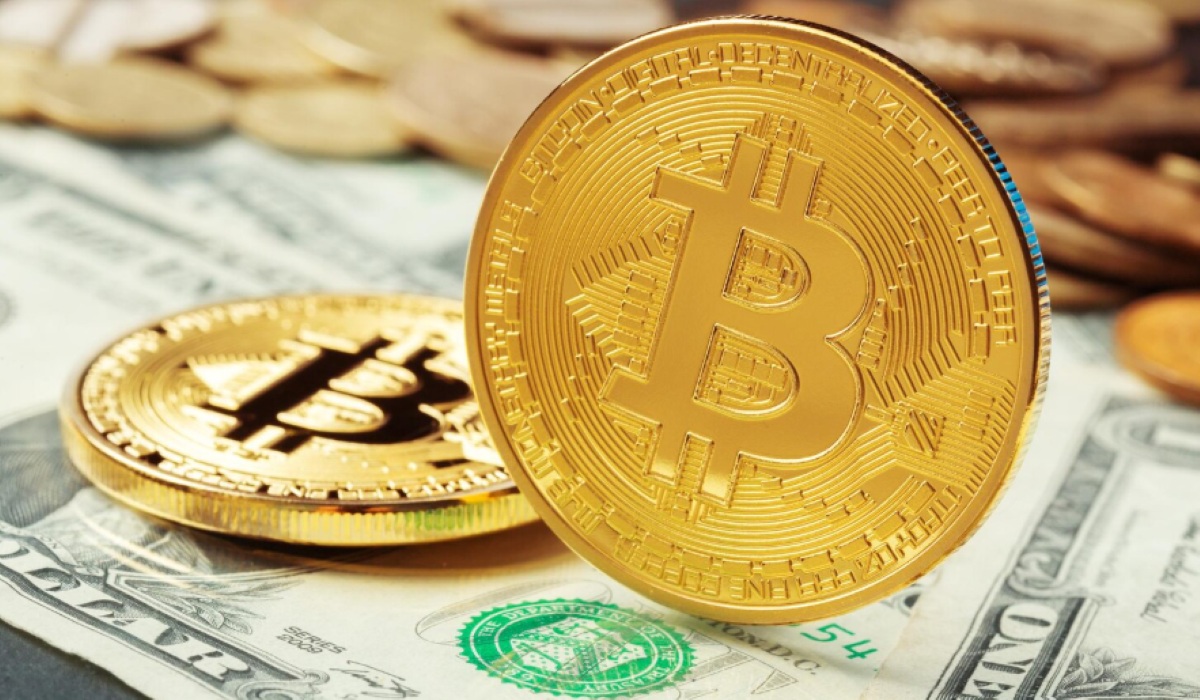
Bitcoin’s price has experienced a decline to around US$70,000 after the Federal Open Market Committee (FOMC) meeting indicated signals of continued tight monetary policy. This movement is influenced by macroeconomic factors, including a revised upward US inflation rate to about 2.7% and interest rates remaining in the 3.50%-3.75% range.
Previously, Bitcoin had strengthened towards US$76,000 on Tuesday (17/03), driven by institutional fund inflows into spot Bitcoin ETFs amounting to US$199.37 million for the seventh consecutive session. The total inflows over seven days reached US$1.16 billion, indicating sustained strong investor interest despite market volatility. However, post-FOMC meeting, investors made adjustments that triggered a correction of around 7%-8%.
Indodax Vice President Antony Kusuma explained that the current market movement is heavily influenced by investors’ new expectations regarding global monetary policy.
“The FOMC’s decision to maintain the benchmark interest rate and the upward revision of the inflation projection indicate that The Fed’s policy direction remains somewhat hawkish. The market has interpreted the signal that inflation has not decreased as quickly as hoped, thus limiting liquidity to risky assets like crypto,” said Antony.
Bitcoin’s current movement is in the US$70,000 range, with the US$70,000-US$72,000 area serving as an important support level monitored by investors. As long as this level holds, the price has the potential to stabilise in the short term, supported by institutional inflows. However, if the price breaks below this level, further adjustments may occur.
Antony added that this phase of correction and consolidation can be utilised by investors to reorganise their investment strategies with proper risk management and a focus on the long term.
In line with market dynamics, the company continues to promote literacy through Indodax Academy. One recommended strategy is Dollar Cost Averaging (DCA), which helps investors remain disciplined in facing volatility without getting caught in market panic (FUD).
The company reaffirms its commitment to providing a safe, transparent, and accessible crypto asset trading ecosystem, while reminding users to always conduct independent research (DYOR) before transacting.
A hawkish policy is a central bank’s tendency to raise or maintain high interest rates to suppress inflation. As a result, investors tend to shift from risky assets like Bitcoin to safer ones such as bonds or the dollar.
Despite short-term volatility due to macroeconomic factors, institutional adoption through ETFs shows that confidence in Bitcoin’s fundamentals as a digital asset remains strong in the long term.
Use the DCA strategy, avoid using emergency funds for investment, and always monitor key support and resistance levels through technical analysis.