
Biofuel: The Answer to the Fragility of National Fossil Energy
Jakarta (ANTARA) - The global rise in fuel oil prices once again underscores the world’s dependence on fossil energy. This situation results in economic vulnerability and geopolitical turbulence.
Conflicts in the Middle East demonstrate that disruptions to the global energy supply chain shake many countries in the form of inflation, fiscal pressures, and energy subsidy burdens.
Indonesia is no exception. As a country with continuously increasing energy consumption, the nation’s fuel oil needs are not yet fully supported by domestic production. By 2025, Indonesia’s fuel oil consumption is projected to exceed 80 million kilolitres, while domestic oil production continues to decline and stands at around 600,000 barrels per day. This gap makes imports an unavoidable consequence, as well as a source of vulnerability.
It is in this context that the question of the state’s ability to achieve energy independence becomes relevant, particularly through biodiesel and bioethanol programmes, as proposed by President Prabowo Subianto.
Energy Independence Tested
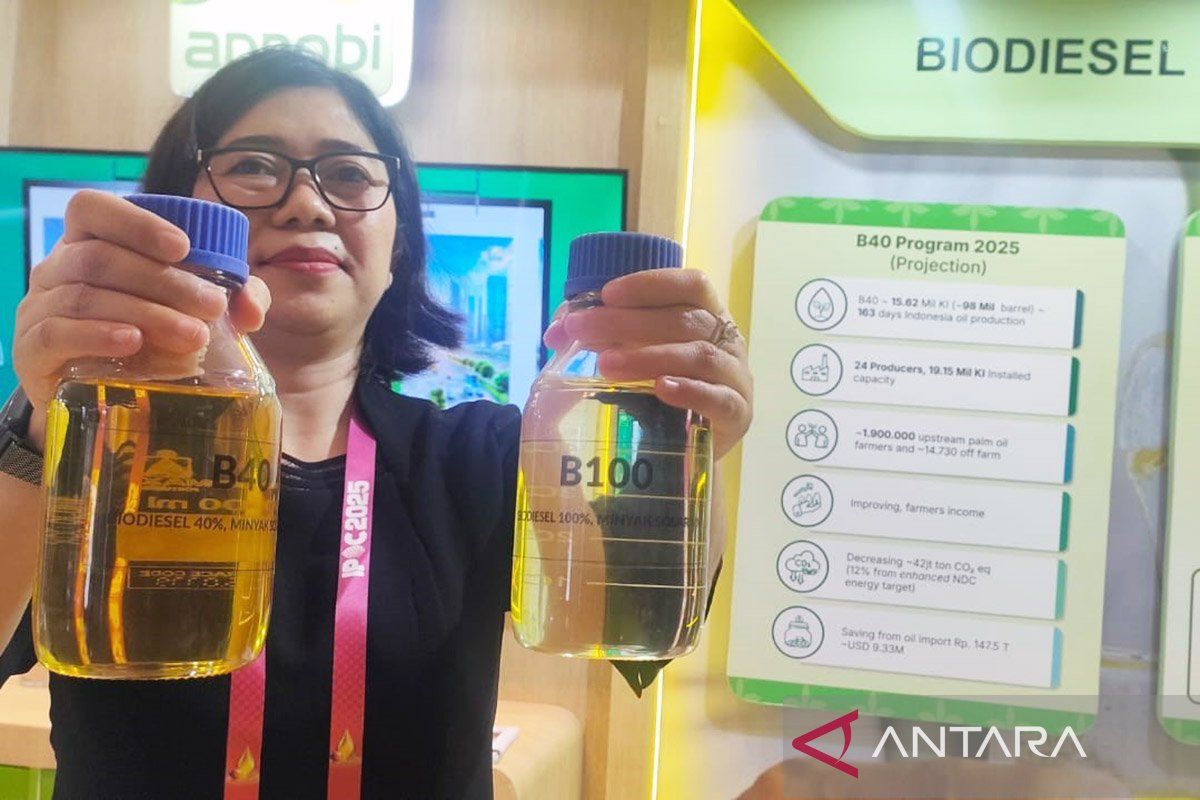
The success of Indonesia’s biodiesel programme is one of the most concrete examples of energy transformation based on domestic resources. The mandatory biodiesel blending policy, which has evolved from B20 and B30 to B35 and B40, has shown measurable and significant results.
By 2025, biodiesel distribution is projected to exceed 13.5 million kilolitres, an increase from the previous year. The impact is not only on energy substitution but also on foreign exchange savings. The Ministry of Energy and Mineral Resources notes that the biodiesel programme has saved foreign exchange amounting to more than Rp140 trillion per year in recent years.
Furthermore, this programme directly reduces solar oil imports. In the medium term, the government even targets the cessation of solar oil imports along with increasing the biodiesel blend to B50. This target is not utopian but is based on Indonesia’s production capacity and availability of raw materials.
This is where Indonesia’s structural advantage is clearly evident. As the world’s largest producer of palm oil, with production exceeding 50 million tonnes of crude palm oil (CPO) per year, Indonesia has a relatively stable supply of raw materials. Transforming part of the CPO into biodiesel has shifted the role of palm oil from merely an export commodity to a strategic pillar of national energy resilience.
The multiplier effects of this policy are also substantial. More than 16 million workers depend on the palm sector, both directly and indirectly. By expanding domestic utilisation through biodiesel, the stability of fresh fruit bunch (TBS) prices at the farmer level is also maintained. Thus, biodiesel is not only an energy policy but also an instrument for economic equity.
In this perspective, biodiesel has answered most doubts by being able to replace a portion of fossil fuel oil, reduce import pressures, and strengthen the domestic economy.