
Biofuel Becomes Indonesia's Strategic Shield Against Global Energy Turbulence
Jakarta (ANTARA) - As global energy prices fluctuate once again in recent times, Indonesia faces the classic challenge of dependence on energy imports amid steadily rising domestic needs.
The world oil price has moved in the range of around 100 US dollars per barrel during the latest fluctuation period, influenced by global supply disruptions and rising geopolitical tensions in various regions.
Disruptions to global energy distribution routes, including in strategic areas like the Strait of Hormuz which channels about one-fifth of the world’s oil supply, once again underscore the energy market’s sensitivity to geopolitical risks, amid the dynamics of the Iran-US conflict.
These fluctuations directly impact importing countries like Indonesia through rising energy import costs, pressure on subsidies, and potential increases in domestic inflation.
The gap between national energy needs and production remains a challenge, with domestic oil production at limited levels compared to consumption that continues to rise.
This situation leaves Indonesia vulnerable to global energy price changes stemming from external factors.
Biofuel as a Buffer
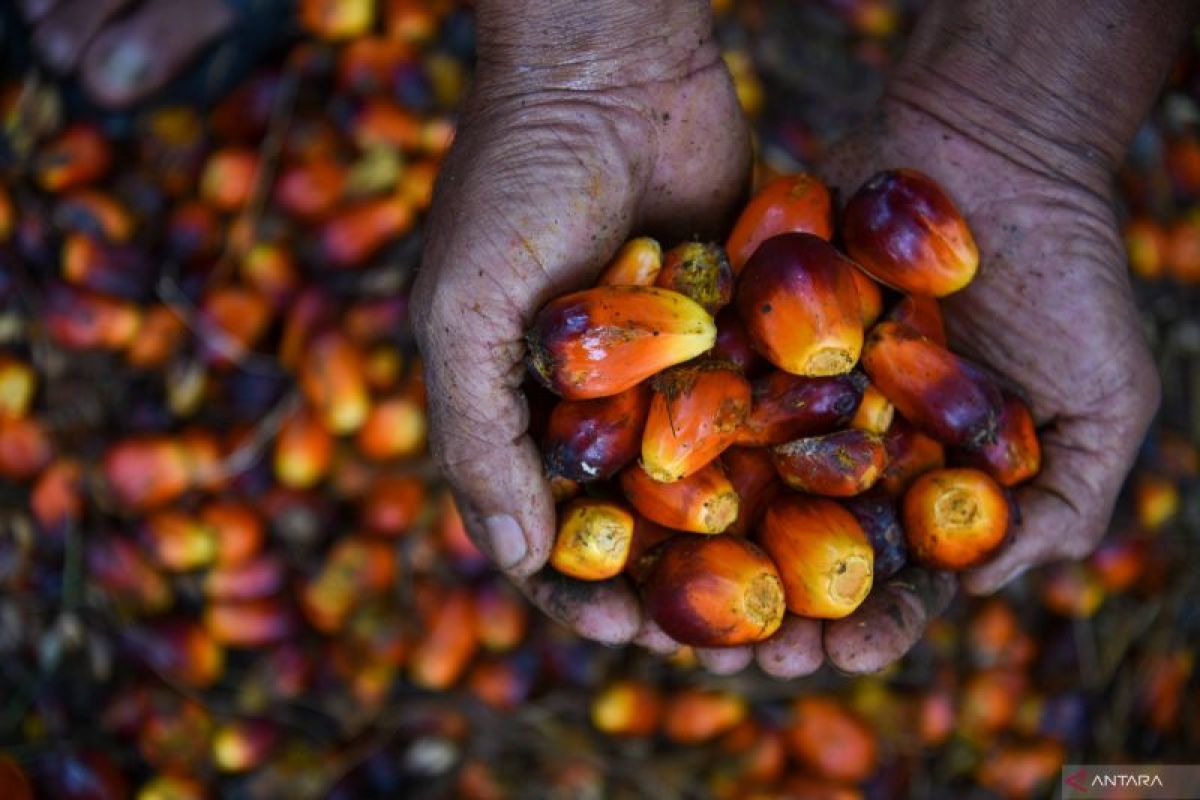
In this situation, palm oil-based biofuel becomes one of the buffer instruments that can be utilised to mitigate the impact of global energy turbulence without waiting for long-term energy transformation.
President Prabowo Subianto has emphasised the importance of strengthening energy sovereignty through accelerating the implementation of biodiesel as part of the national energy resilience strategy.
The policy direction to increase the biodiesel blend to B50, a mixture of 50 per cent biodiesel and 50 per cent diesel, is being considered as a step to reduce dependence on energy imports while strengthening domestic energy resilience.
This programme is a continuation of the phased implementation of national biodiesel from B20 to B35, as well as the strengthening of B40 which is currently the main basis for mandatory biodiesel.
In line with that, the Minister of Energy and Mineral Resources Bahlil Lahadalia stated that strengthening biodiesel can help suppress diesel imports and support national energy stability.
The government has set the biodiesel allocation for 2026 at around 15.65 million kilolitres as part of the implementation of the national mandatory biodiesel.
From the implementation side, biodiesel is assessed to be able to be used immediately because it utilises existing energy infrastructure, thus becoming one of the policy instruments that is relatively quick to adopt compared to other energy transitions that require a long time.
Impact on the Upstream Sector