
Biodiesel Deemed Effective in Curbing Fuel Oil Imports, Saving Up to Rp 170 Trillion in Foreign Exchange
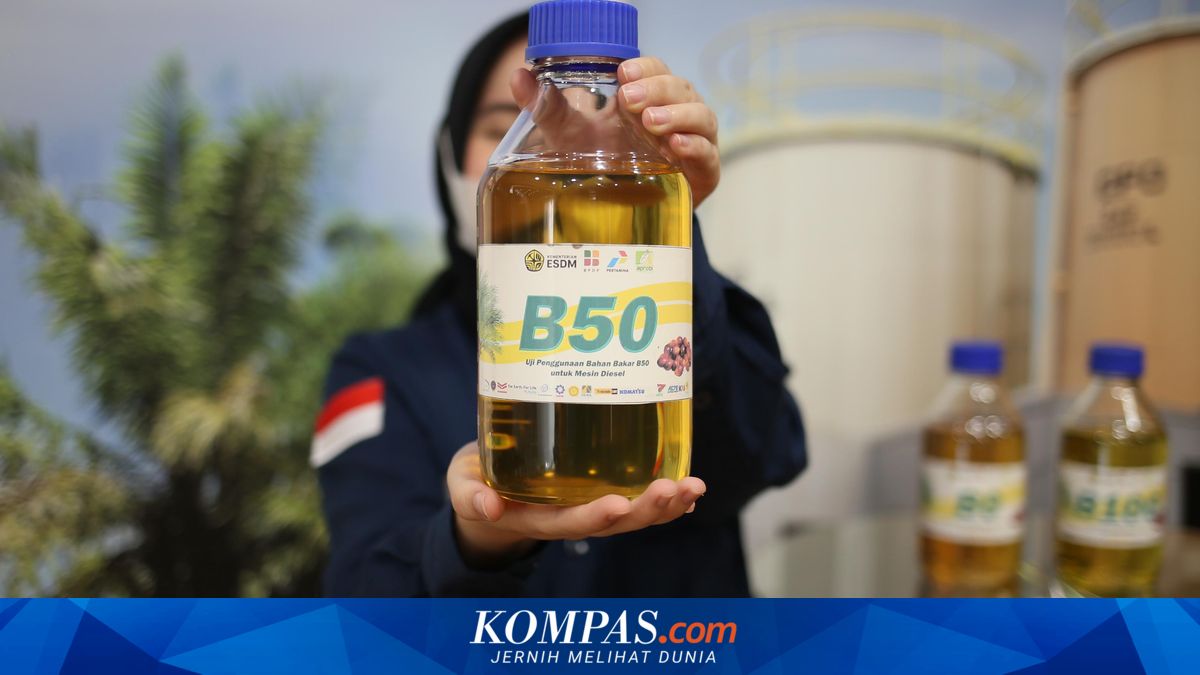
JAKARTA, KOMPAS.com – The mandatory biodiesel programme is deemed effective in curbing fuel oil (BBM) imports, particularly diesel, while also improving Indonesia’s energy trade balance. Professor Rhenald Kasali from the Faculty of Economics and Business at the University of Indonesia (FEB UI) stated that the mandatory biodiesel policy has significant potential as a substitute for diesel. This is supported by the abundant availability of palm oil raw materials domestically and the relatively mature processing technology. According to him, the sustainability of the biodiesel programme greatly depends on good governance of the palm oil industry. This includes efforts to prevent deforestation, preserve the environment, and respect the rights of indigenous communities. Rhenald also warned of the potential trade-off between energy and food needs. Increasing the allocation of crude palm oil (CPO) for energy could reduce supplies for food requirements. In agreement, Tungkot Sipayung, Executive Director of the Palm Oil Agribusiness Strategic Policy Institute (PASPI), stated that the development of bioenergy through the mandatory biodiesel policy contributes significantly to reducing imports of fossil-based BBM. He detailed that Indonesia has consistently developed the mandatory biodiesel programme from B1 to B50, targeted for July 2026. The programme is capable of reducing dependence on diesel imports by around 50 percent. From the foreign exchange savings perspective, the biodiesel policy in 2025 recorded savings of Rp 130.21 trillion. In addition, this policy is also able to reduce emissions by 38.88 million tonnes of CO2 equivalent and increase the added value of CPO to biodiesel by Rp 20.43 trillion. The implementation of the mandatory biodiesel policy in Indonesia has been carried out gradually since 2008, starting from B1 to B2.5.