
BI Survey: Q1 2026, Residential Property Transactions Plummet 25.67%
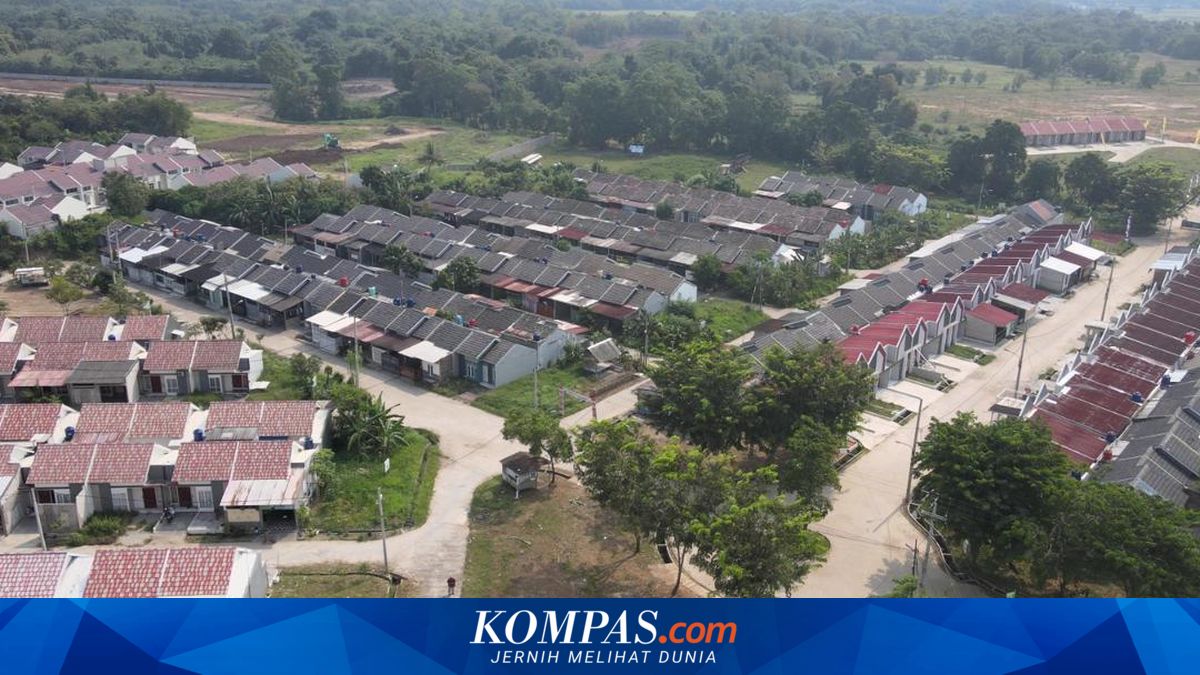
Indonesia’s primary residential property sector began 2026 with concerning performance. According to Bank Indonesia’s latest Residential Property Price Survey (SHPR), there has been a slowdown in price growth acceleration intertwined with a 25.67% plunge in aggregate transaction volumes. This phenomenon signals a shift in market absorption capacity that requires strategic mitigation from the upstream side. This figure indicates desacceleration when compared to the Q4 2025 achievement, which stood at 0.83%. The decline in the price growth rate suggests a prudent stance from developers in adjusting unit prices in the primary market. The most worrying aspect of this monetary authority’s report lies in the sharp drop in sales figures. The volume of sold residential property units contracted by up to 25.67%. This directional reversal is quite extreme, given that in the previous quarter, the sector still recorded positive growth of 7.83%. Conversely, small and large-type housing units have yet to demonstrate significant leverage. “This provides an overview that the middle-class consumer base is currently the mainstay of the residential sector, while other segments are trapped in a stagnation phase,” states the BI report quoted by Kompas.com on Sunday (10/5/2026). Analysis of the financing structure reveals high dependence on self-funded capital. As much as 80.66% of the total property development funding needs still comes from developers’ internal funds. On the consumer side, Home Ownership Credit (KPR) remains the absolute instrument in acquiring housing. “The market share of the KPR scheme reaches 69.87% of total purchase methods. This high figure reinforces that public purchasing power is highly sensitive to fluctuations in benchmark interest rates and banking stimulus policies,” states the BI Report.