
BI Reveals Rupiah Should Not Be This Weak, Here's Why
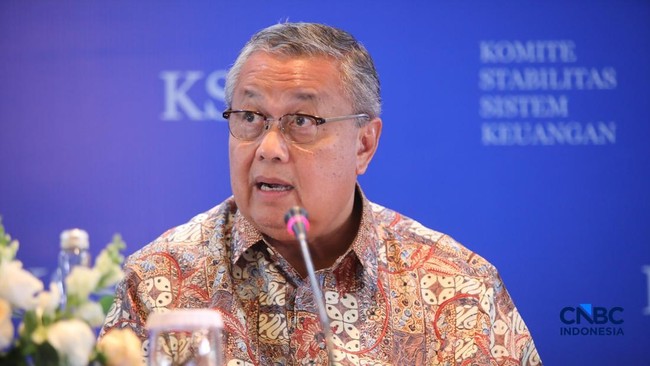
Jakarta - Bank Indonesia Governor Perry Warjiyo has explained the reasons behind the rupiah’s undervaluation, which does not match Indonesia’s economic fundamentals. One measure, he said, is the economic growth of 5.61% in the first quarter of 2026, the highest among G20 countries. In line with that, Indonesia’s inflation remains controlled at 2.4% (year-on-year), and the trade balance has been in surplus for 71 consecutive months since May 2020. Other economic data also supports this, with Indonesia’s foreign exchange reserves and credit growth remaining high. “So the fundamental economic indicators are strong, the question is why is there currency weakening worldwide, and we’re weakening too?” Perry remarked during the Financial System Stability Committee press conference on Thursday (7/5/2026). Perry explained that the rupiah’s weakening is due to global factors, including rising geopolitical tensions that have caused oil prices to surge, pressure from US interest rates, and a 4.41% increase in the dollar index (DXY). This situation has triggered capital outflows from all countries, including emerging markets. Amid these dynamics, in April and May, dollar demand in Indonesia was high due to the Hajj season, as well as dividend repatriation and foreign debt payments by corporations. “The global situation is like that, and coincidentally, seasonally in April-May, foreign exchange demand is high—let’s pray for the umrah and Hajj pilgrims to be healthy and blessed, and ensure dollar needs are met in April-May because corporations have a lot of dividend repatriation and foreign debt payments,” he said. “Indeed, the situation is such that BI is all out to defend the rupiah, with close coordination with the government and full support from the President,” Perry emphasised.