
BI Reveals Iran Conflict Triggers Domino Effect: From Rupiah Weakening to Rising Plastic Prices
JAKARTA - Bank Indonesia (BI) has revealed that the escalation of the conflict between Iran, Israel, and the United States (US) is triggering a chain reaction or domino effect on the global and domestic economy.
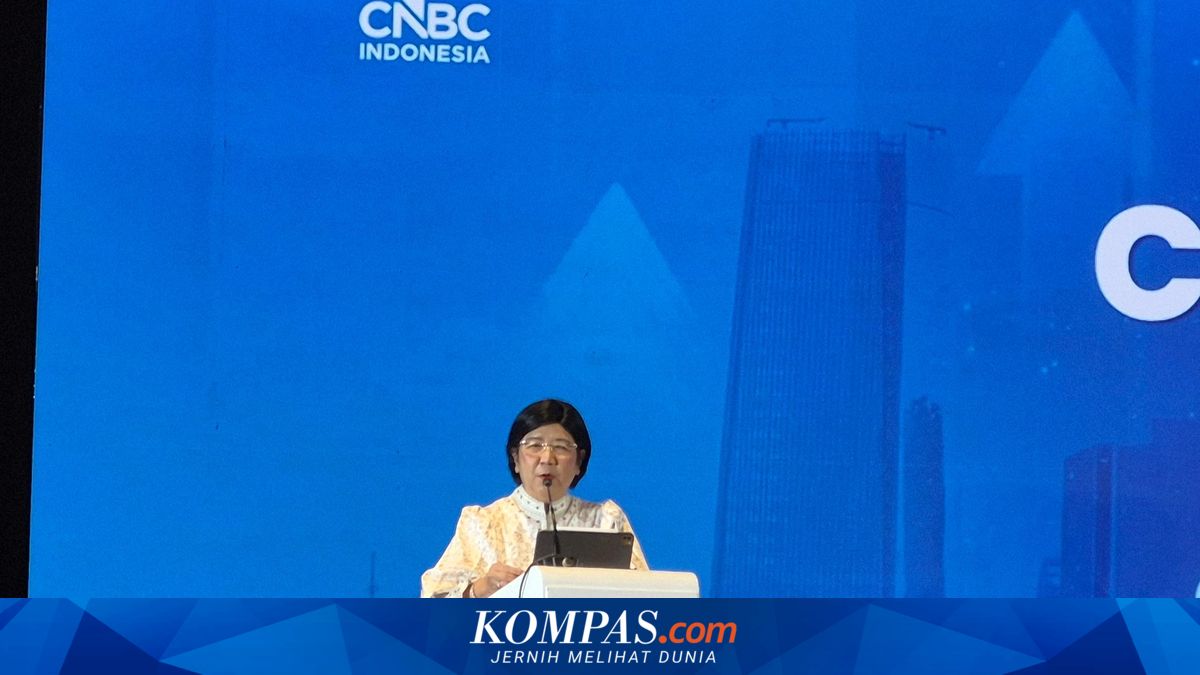
BI Senior Deputy Governor Destry Damayanti stated that the effects of the Iran conflict are spilling over into multiple sectors and markets, from finance and global commodities to trade and production.
Overall, these various impacts will result in lower global economic growth compared to the previous year.
On the other hand, global inflation will also be higher.
From a financial perspective, the war is causing global financial markets to tighten further due to US involvement in the conflict between Iran and Israel.
US intervention in the war is generating uncertainty in global financial markets, triggering risk sentiment among global investors.
This has led to risk-off behaviour as financial market participants seek to avoid risk, opting instead to place their assets in low-risk instruments and safe-haven assets such as gold and the US dollar.
As a result, global investors are flocking to shift their capital flows from emerging markets to the US, strengthening the US dollar against most of the world’s currencies, including the rupiah.
This in turn is causing the rupiah to weaken and foreign capital outflows from Indonesia.
BI records that since the Middle East conflict in late February 2026, the rupiah has weakened by 1.91%, while year-to-date the weakening has reached 2.39%.
“In Indonesia, we are feeling it too. Although, praise be to God, we are now starting to see inflows entering SBN, slightly in shares, and in SRBI. But overall, we are still experiencing outflows of around Rp 21 trillion,” she said.
Furthermore, the Iran conflict is also causing global commodity prices, such as crude oil, to rise.
Although Iran’s oil production share is only 5% of the global total, the closure of the Strait of Hormuz is causing disruptions to up to 20% of global oil supply distribution.
The rise in commodity prices and the increased capital flows to safe havens are spilling over into higher prices for gold and other energy commodities such as LNG, coal, aluminium, fertiliser, cereals, and soybeans.