
BI Rate Rises to 5.25 Per Cent: What Are the Implications?
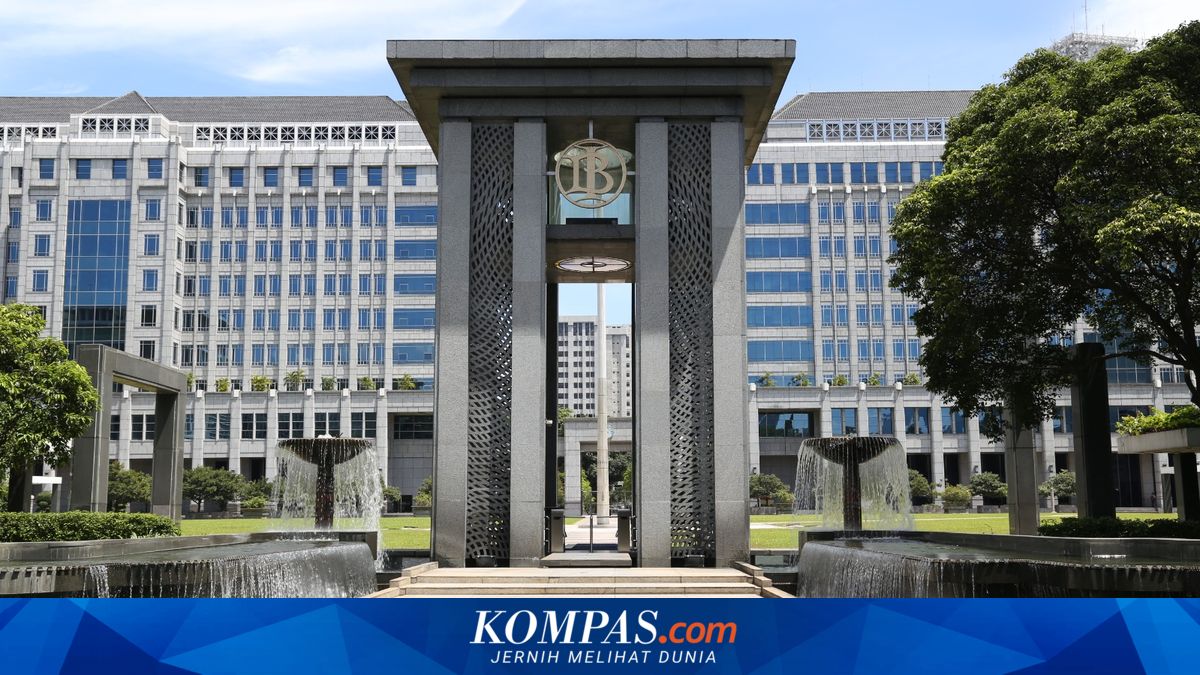
JAKARTA — Bank Indonesia (BI) has officially raised its benchmark rate, the BI Rate, by 50 basis points to 5.25 per cent in the BI Board of Governors meeting for 19-20 May 2026. This is the first increase in two years, after the policy rate had held at 4.75 per cent since November 2025. In addition to the BI Rate, the deposit facility was raised by 50 basis points to 4.25 per cent and the lending facility to 6 per cent.
BI Governor Perry Warjiyo said the move was taken to maintain rupiah stability amid heightened global uncertainty, notably the impact of the conflict in the Middle East. The central bank also aims to ensure inflation in 2026 and 2027 remains within the government’s target of around 2.5 per cent plus minus 1 per cent. According to Warjiyo, the decision aligns with BI’s policy focus this year on stability to strengthen the external resilience of the national economy.
BI said macroprudential policy and the payments system will continue to be directed to support economic growth. Looser macroprudential policy will be reinforced to push credit disbursal to the real sector, while the payments system will focus on expanding digital transactions and supporting financial inclusion.
Global Markets Economist at Maybank Indonesia, Myrdal Gunarto, had previously assessed room for BI Rate hikes as BI’s policy focus shifted to maintaining rupiah stability. He noted that one of the main benefits of a higher policy rate is to raise the attractiveness of rupiah-based assets, potentially drawing foreign capital inflows into the domestic market. Foreign inflows can help BI stabilise the exchange rate and reduce pressure on financial markets.
However, the impact of the rate rise needs to be anticipated. Higher interest rates may raise costs for business expansion as firms face more expensive borrowing.