
BI Rate Rises to 5.25 Per Cent: Check Home Loan Instalment Simulation at Bank Mandiri
Bank Indonesia (BI) has raised its benchmark interest rate, or BI rate, to 5.25 per cent as of May 2026.
This BI rate increase policy is designed to stabilise the rupiah and prevent rapid price inflation on goods and services.
With the BI rate rising, investment returns are also expected to increase. The expectation is that investors will be tempted to place funds in Indonesia through debt securities, deposits, business investments, and other instruments.
When foreign investors exchange US dollars for rupiah, the rupiah’s exchange rate will strengthen. However, the interest rate increase will impact a rise in floating interest rates across the banking sector.
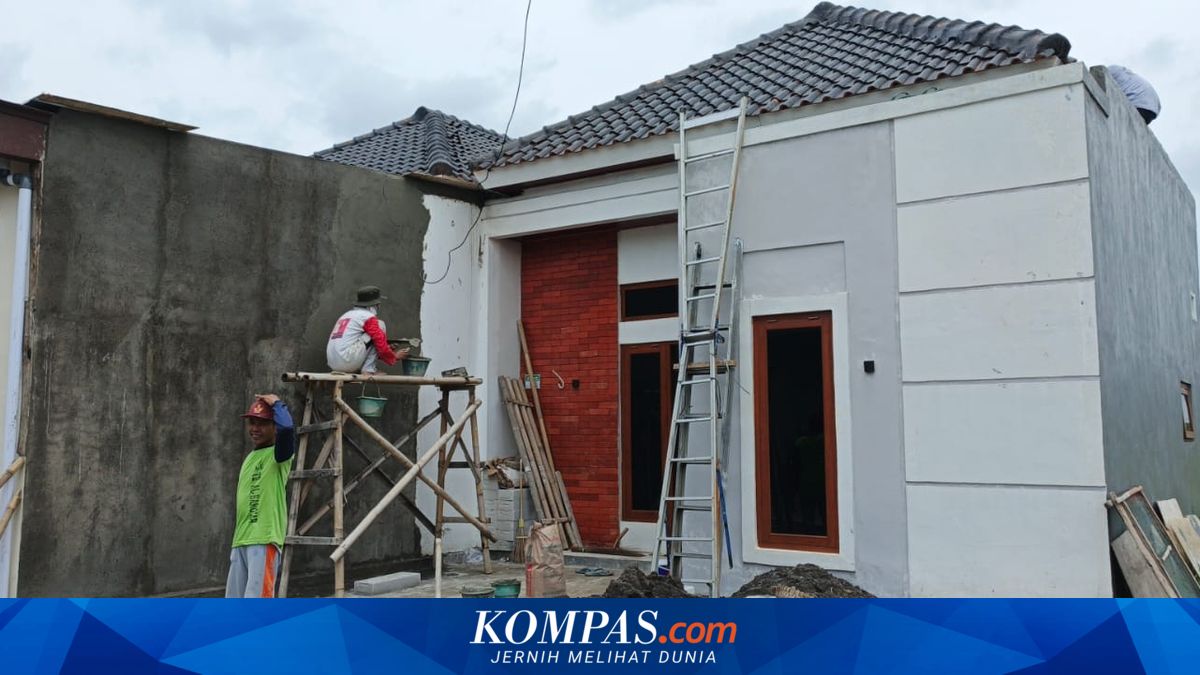
The public will pay higher bank instalments compared with previously, such as Home Ownership Credit (KPR) payments.
Although the impact has not been directly felt several days after the BI rate increase announcement, the central bank’s decision to raise the benchmark rate is expected to trigger adjustments in commercial KPR rates from banks.
At 12 per cent interest, this comprises the Cost of Funds for Credit (HPDK) of 2.83 per cent, overhead costs of 5.69 per cent, and bank profit margin set at 3.48 per cent.
As a simulation of KPR instalments, as seen from the official Bank Mandiri website, a customer purchasing a house for Rp600 million with a 15 per cent down payment of Rp90 million would take out a principal loan of Rp510 million, plus a bank provision fee of Rp5.1 million and administrative costs of Rp500,000.
With a loan term of 15 years and Bank Mandiri’s KPR rate of 12 per cent, the monthly instalment a customer must pay is Rp6,120,857.
In another example, a customer purchasing a house worth Rp500 million with a 20-year tenure and a 15 per cent down payment would face an estimated KPR instalment of Rp4.67 million, with a minimum required monthly income of Rp9.36 million.