
BI Prepares Macroprudential Liquidity Instrument Incentives to Curb Aggressive Credit Rate Increases
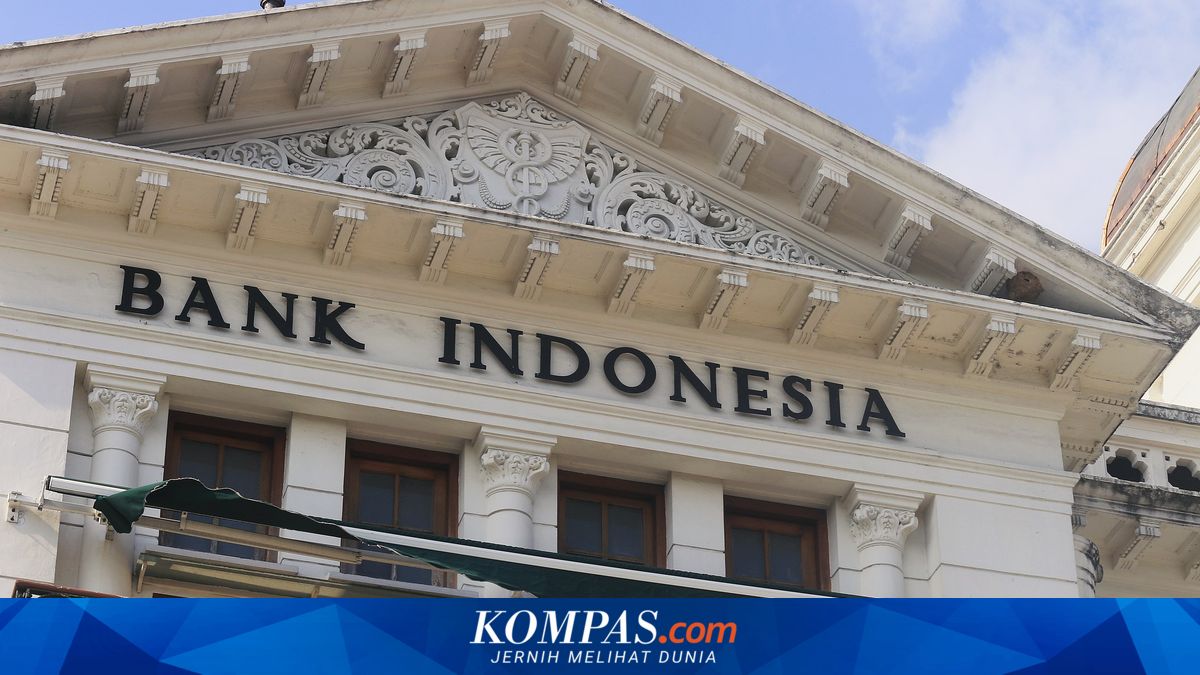
Bank Indonesia (BI) believes that the Macroprudential Liquidity Policy Instrument, or KLM, can dampen aggressive rises in banks’ lending rates and funding costs. The policy was prepared after the BI Rate increased to 5.25 percent. Dhaha P. Kuantan, Director of the Macroprudential Policy Department at BI, said the KLM incentive scheme is designed to keep banks maintaining credit disbursement and to prevent banks from raising lending rates or funding costs excessively. According to Dhaha, banking liquidity is currently strong, reflected in year-on-year credit growth and third-party funds (DPK) at around 9 percent in April 2026. ‘With that condition, the 8%-12% credit growth target remains visible to be achieved,’ Dhaha said during a journalist training in Makassar on Friday, 22 May 2026. The rise in the policy rate could also push up funding costs and bank lending rates. However, BI believes banks will not raise rates aggressively because of the KLM incentive mechanism. The scheme provides higher liquidity incentives to banks that keep the spread between lending rates and the BI Rate within a reasonable range. ‘If the spread between the BI Rate and lending rates remains around 3%, we consider it still fair and banks will receive full incentives,’ he said. Conversely, banks that raise lending rates too high will receive smaller incentives. Incentives are not given if the spread to the BI Rate widens significantly. ‘If the spread is too high, the incentives will be reduced even to the point of not receiving any incentive,’ Dhaha said. Thus, the BI Rate increase does not directly burden the business world and borrowers. Dhaha said KLM is now also designed to be more forward-looking. Under the new mechanism, banks must first communicate their target commitments for credit disbursement in order to obtain liquidity incentives.