
BI: Middle East War Pressures Global Economy, Inflation Rises, Rupiah Weakens
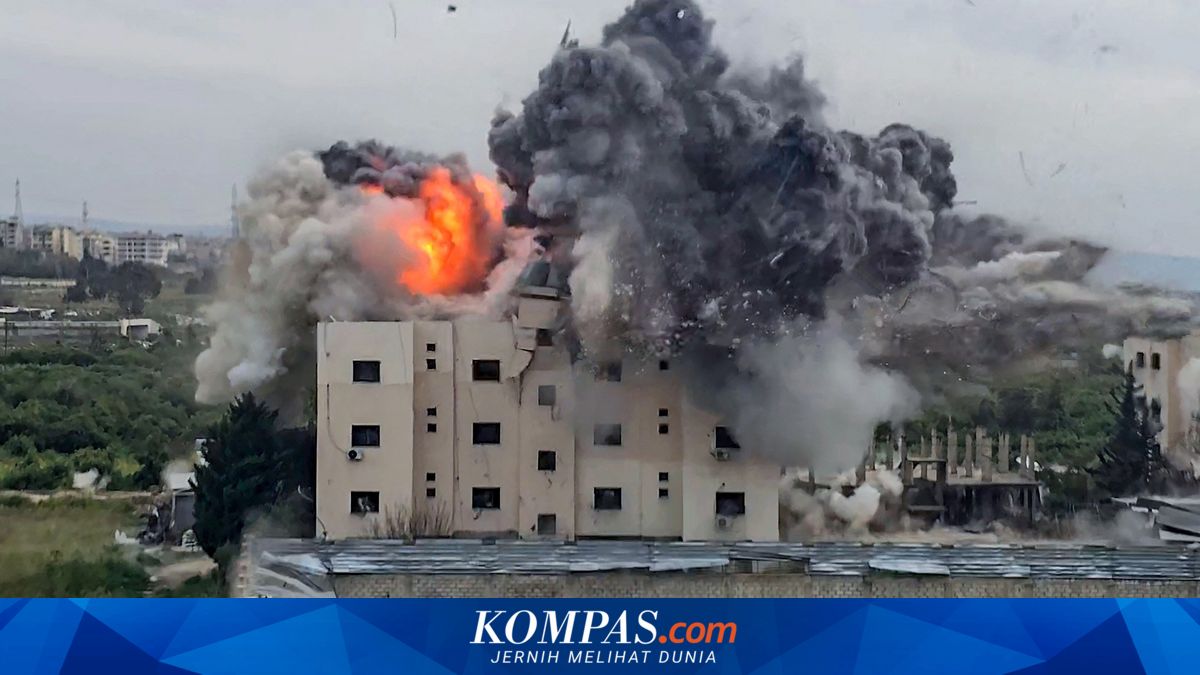
JAKARTA, KOMPAS.com — The escalation of the war in the Middle East since the end of February 2026 is worsening global economic conditions and increasing uncertainty in international financial markets.
Bank Indonesia (BI) assesses that the surge in energy prices, capital outflows from emerging countries, and the strengthening of the US dollar are the main factors pressuring global economic growth prospects while also increasing inflationary pressures.
BI Governor Perry Warjiyo stated that the conflict in the Middle East has had a broad impact on international trade supply chains.
“The Middle East war since the end of February 2026 is worsening the conditions and prospects of the global economy. The surge in world oil prices is negatively impacting international trade supply chains, thereby lowering global economic growth prospects and increasing global inflationary pressures,” said Perry during the BI Board of Governors Meeting in March 2026, on Tuesday (17/3/2026).
BI forecasts that global economic growth in 2026 will slow to 3.1 per cent, lower than the previous projection of 3.2 per cent. At the same time, global inflationary pressures are increasing from 3.8 per cent to 4.1 per cent.
According to Perry, this rise in global inflation will narrow the room for central banks in various countries to lower their benchmark interest rates. There is even a possibility of further delays in interest rate cuts by the Fed or the Fed Funds Rate (FFR).
US and Israeli military strikes against Iran that began on 28 February 2026, followed by retaliatory attacks from Tehran in the Gulf region, including against energy infrastructure and tanker ships, have disrupted energy traffic in the Strait of Hormuz.
This narrow strait is a transit route for around 20 per cent of global oil and gas supplies. Disruptions in energy distribution through this route have driven world oil prices to surge significantly.
Data shows that the Brent crude oil price, as an industry benchmark, reached $106 per barrel at the beginning of this week, up more than 40 per cent from $72 per barrel on 27 February 2026.
Iran’s drone attacks on QatarEnergy’s LNG production facilities on 2 March even forced a temporary halt in production. Qatar is known to supply around 20 per cent of the world’s LNG needs.
“When crude oil and refined products from the Middle East Gulf cannot reach buyers, countries, particularly in Asia, are scrambling to secure alternative supplies at higher prices and implementing emergency measures to manage stocks and demand,” said Xu, quoted from Al Jazeera.
Data from the US Energy Information Administration shows that around 84 per cent of crude oil and 83 per cent of LNG passing through the Strait of Hormuz in 2024 was destined for Asia.
In a report dated 9 March 2026, economists at Capital Economics, led by Neil Shearing, stated that oil prices could fall again if the conflict is short-lived.