
BI Maps Tourism Clusters to Support Equitable Economy in Bali
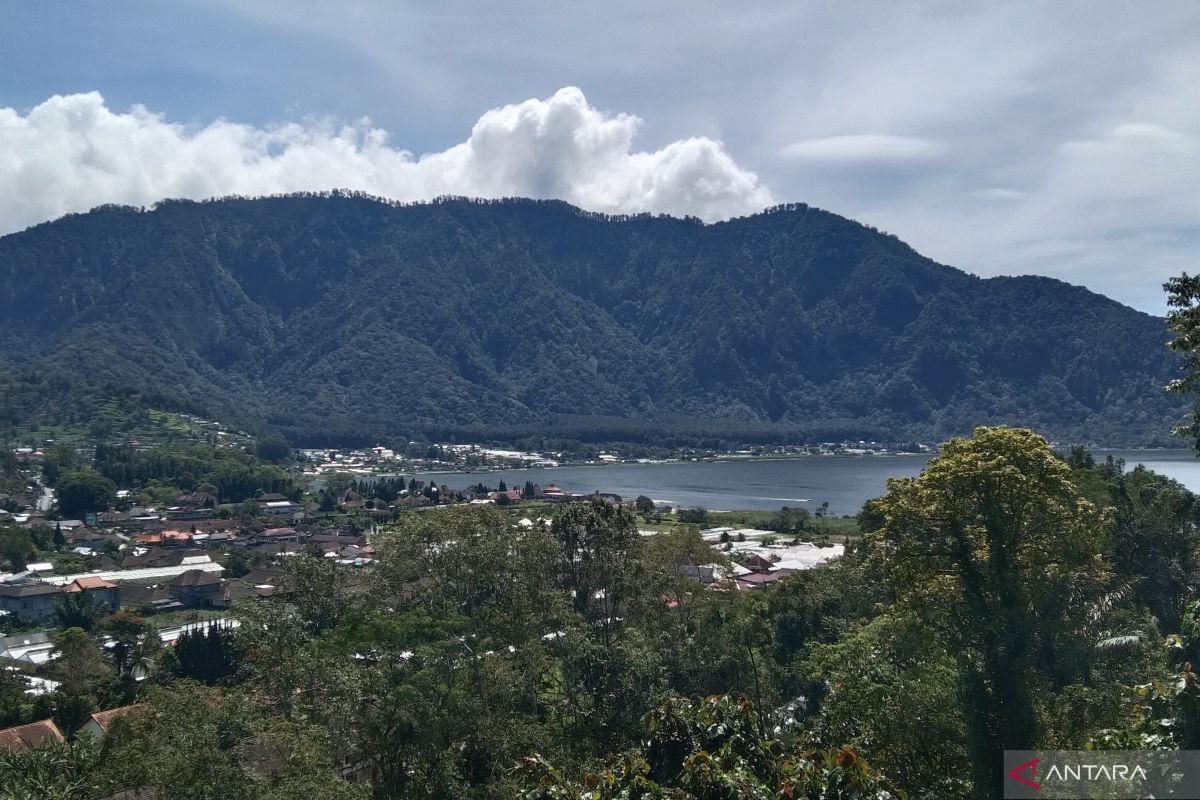
The Bali Representative Office of Bank Indonesia (BI) is mapping tourism clusters that can be optimally developed by tailoring them to regional potential, in a bid to support economic equity in the northern, eastern, and western parts of Bali. “There is overcapacity in the southern part of Bali,” said Deputy Director of the BI Bali Representative Office Yusuf Wicaksono in Denpasar on Wednesday. This mapping is part of tourism and product diversification, with Jembrana Regency in West Bali, for example, having the potential to further develop maritime tourism or initiatives based on marine ecosystem preservation. Meanwhile, North Bali, specifically Buleleng Regency, could focus on wellness and agro-spiritual tourism, while Klungkung and Bangli Regencies could highlight cultural heritage and culinary tourism. To support this, he urged the strict enforcement of spatial planning regulations, building permits, and environmental carrying capacity controls through collaboration that integrates the roles of local governments, traditional villages, academics, business actors, and the community. However, efforts to achieve equitable tourism still face infrastructure and inter-regional connectivity challenges, including the need to accelerate the development of the east-west-north tourism corridor and the Denpasar-Klungkung-Bangli-Singaraja public transport project (MRT). Also needed is the revitalisation of Gilimanuk Port in Jembrana, Padangbai Port in Karangasem, and Celukan Bawang Port in Buleleng. The Bali Provincial Tourism Office noted that tourism contributed 66 per cent to Bali’s economic growth based on 2024 data. Bali Province also makes a significant contribution to national foreign exchange, providing Rp176 trillion, or 55 per cent, of the total national realisation of Rp319.9 trillion. In 2025, 7.05 million foreign tourists visited Bali, an increase from 6.33 million in 2024.