
BI Intervenes in Domestic and International Markets to Strengthen Rupiah Exchange Rate
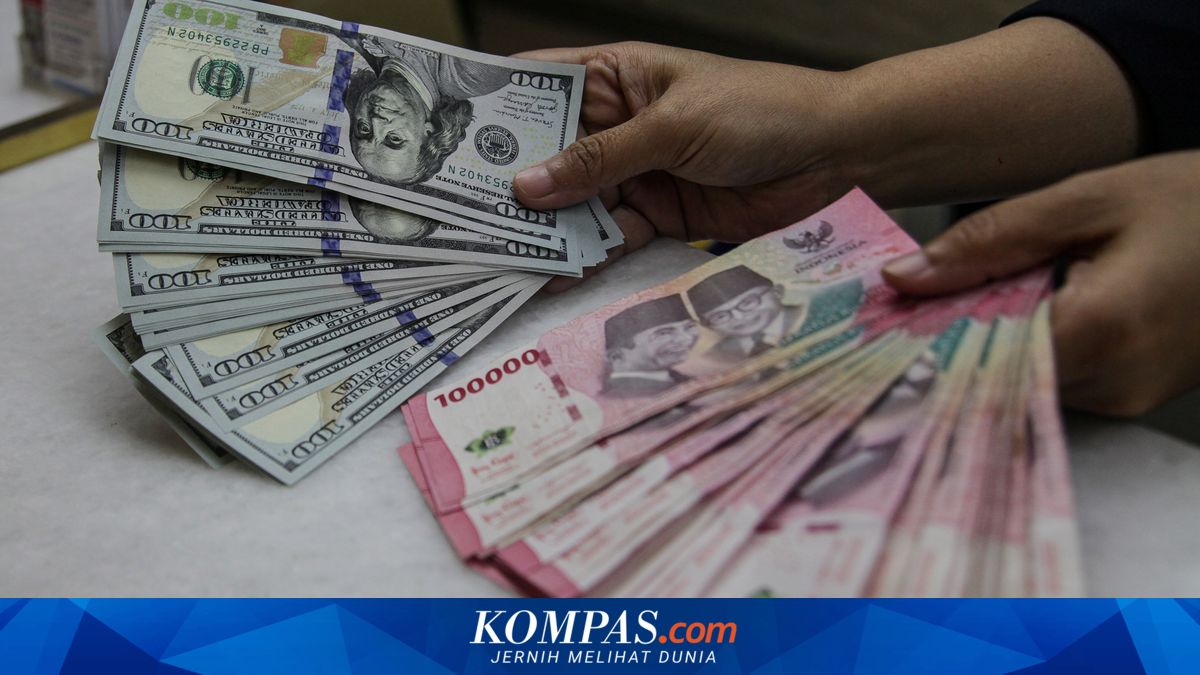
Bank Indonesia Governor Perry Warjiyo explained that the institution will soon carry out large-scale interventions in both domestic and international markets to stabilise the rupiah exchange rate. With the rupiah’s continuous weakening, this intervention is described as all-out. BI is preparing seven strategic steps for rupiah stabilisation. “We intervened in Hong Kong, Singapore, London, New York. That’s not business as usual, that’s all-out,” Perry clarified, quoted from Kontan on Thursday (7/5/2026). As of April 2026, Indonesia’s foreign exchange reserves stood at US$148.2 billion (approximately Rp2.57 quadrillion). “Please remember, foreign exchange reserves are accumulated during periods of large inflows. That’s why we use them during times of scarcity, when outflows are substantial,” he explained. Year-to-date as of early May 2026, the SRBI recorded inflows of Rp78.1 trillion. This figure is larger than the stock market outflow of Rp38.6 trillion and the SBN outflow of Rp11.7 trillion. “Overall, the SRBI inflow is indeed larger than the net SBN outflow,” Perry stated. The government’s limited fiscal space, rising energy costs, and resulting increases in staple goods prices. “Late April to early May 2026 is a moment that cannot be ignored. The rupiah weakened sharply, approaching the Rp17,000–Rp17,300 per US dollar range, while the JCI experienced a significant correction in a short time,” said Economist from Andalas University Hefrizal Handra, quoted from Kompas.com on Thursday (7/5/2026). Furthermore, the surge in global oil prices, which frequently exceeds US$100 per barrel, continues to pressure the rupiah. “The current global pressures are no longer temporary but tend to be persistent. This is what makes the pressure on domestic financial markets last longer,” Hefrizal said.