
BGN Temporarily Closes 372 Nutrition Service Units in East Java Over Compliance Concerns
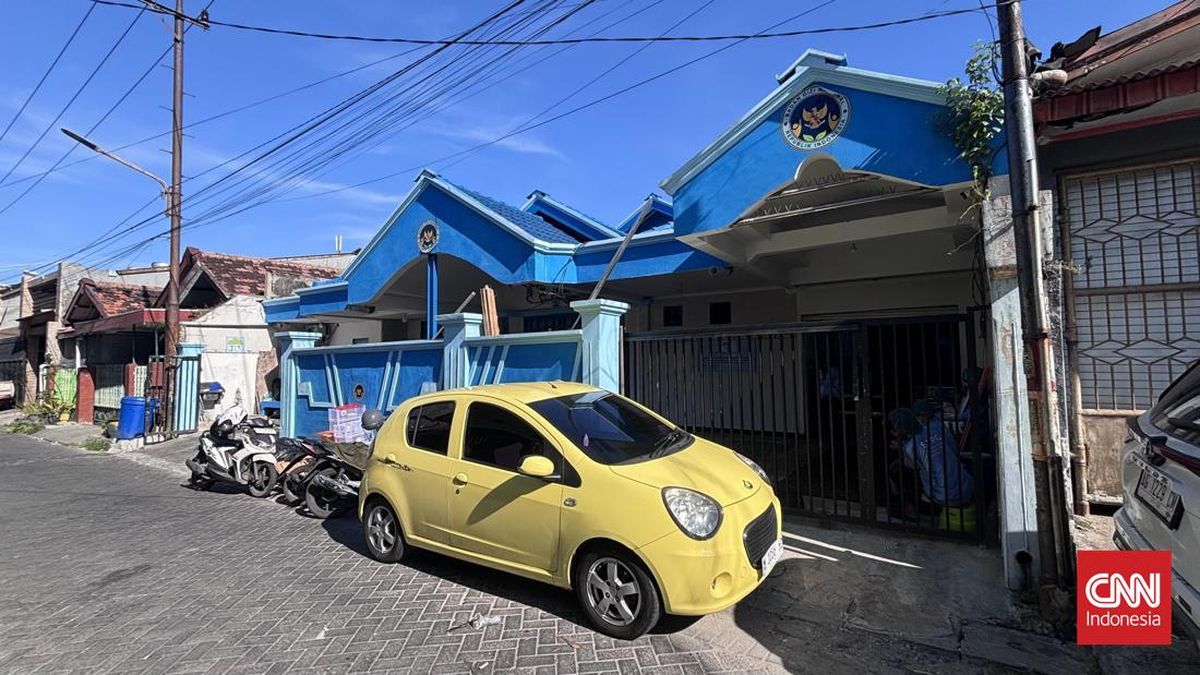
The National Nutrition Agency (BGN) has temporarily closed 372 Nutrition Service Units (SPPG) in East Java after inspections revealed they failed to meet administrative requirements and hygiene and sanitation standards. East Java Vice Governor Emil Elestianto Dardak confirmed coordination with BGN’s central leadership, stating the provincial government supports the temporary suspension to ensure the quality of the Free Nutritious Meals programme. ‘The BGN chief is firm on closing units that fail to meet deadlines,’ Emil said on Monday (1 June). Emil highlighted that many units lack the Hygiene and Sanitation Compliance Certificate (SLHS), which is mandatory for operation. ‘While the SLHS deadline hasn’t been met, continuing operations is unacceptable. There are multiple factors at play, and we thank BGN for this difficult but necessary step,’ he added. The temporary closure is a preventive measure, with compliance requirements designed to mitigate risks in MBG production and distribution. ‘All SPPGs must meet these standards to minimise risks in programme delivery,’ Emil said. The East Java provincial government pledged support for BGN, coordinating from regional to local levels. ‘Local governments will support BGN coordinators, district heads, and SPPG leaders in fulfilling their duties,’ Emil stated. Emil stressed that obtaining SLHS is not mere bureaucracy but essential for quality. Environmental infrastructure, such as Wastewater Treatment Plants (IPAL), is critical, as improper waste disposal directly affects health and meal hygiene. A 30-day deadline has been set for SPPGs to obtain SLHS, with the provincial government ensuring timely processing. ‘The 30-day window starts now; we must avoid bureaucratic delays,’ Emil said. Each task force head will monitor applications to prevent bureaucratic delays. ‘Applications aren’t automatic; requirements must be met,’ he added. Previously, BGN had temporarily suspended thousands of SPPGs across Indonesia since the MBG programme began on 6 January 2025 until 29 May 2026. The decision followed public feedback, local government recommendations, surprise inspections, and reports of adverse incidents among beneficiaries. ‘From 27,208 operational SPPGs nationwide, 8,182 have been suspended since 6 January to 29 May 2026,’ stated BGN’s Deputy Head of Public Communication and Investigation, Nanik S. Deyang, on Sunday (31 May). In Region II (Java), 16,594 SPPGs exist, with 3,466 suspended temporarily. Of these, 1,800 have resumed operations, while 1,666 remain suspended. BGN cited reasons for suspensions including menu-related illnesses (digestive issues, diarrhoea, vomiting), budget non-compliance (Rp8,000 and Rp10,000 per meal), price mark-ups, non-compliant facility layouts, missing SLHS and IPAL facilities, inadequate staff accommodations, insufficient kitchen equipment, poor management, disputes between partners and foundations, and fewer than 15 suppliers. Nanik added that suspensions may increase as BGN now requires each SPPG to distribute MBG to at least 300 beneficiaries from Group 3B (pregnant women, lactating mothers, and toddlers). ‘If SPPGs fail to provide data on MBG distribution to Group 3B by 2 June 2026, …’