
BGN mandates quarterly monitoring of MBG domestic waste
Through BGN Regulation Number 1 of 2026, every free meal kitchen – Nutritious Fulfillment Service Unit (SPPG) – is required to manage domestic wastewater generated from the kitchen activities.
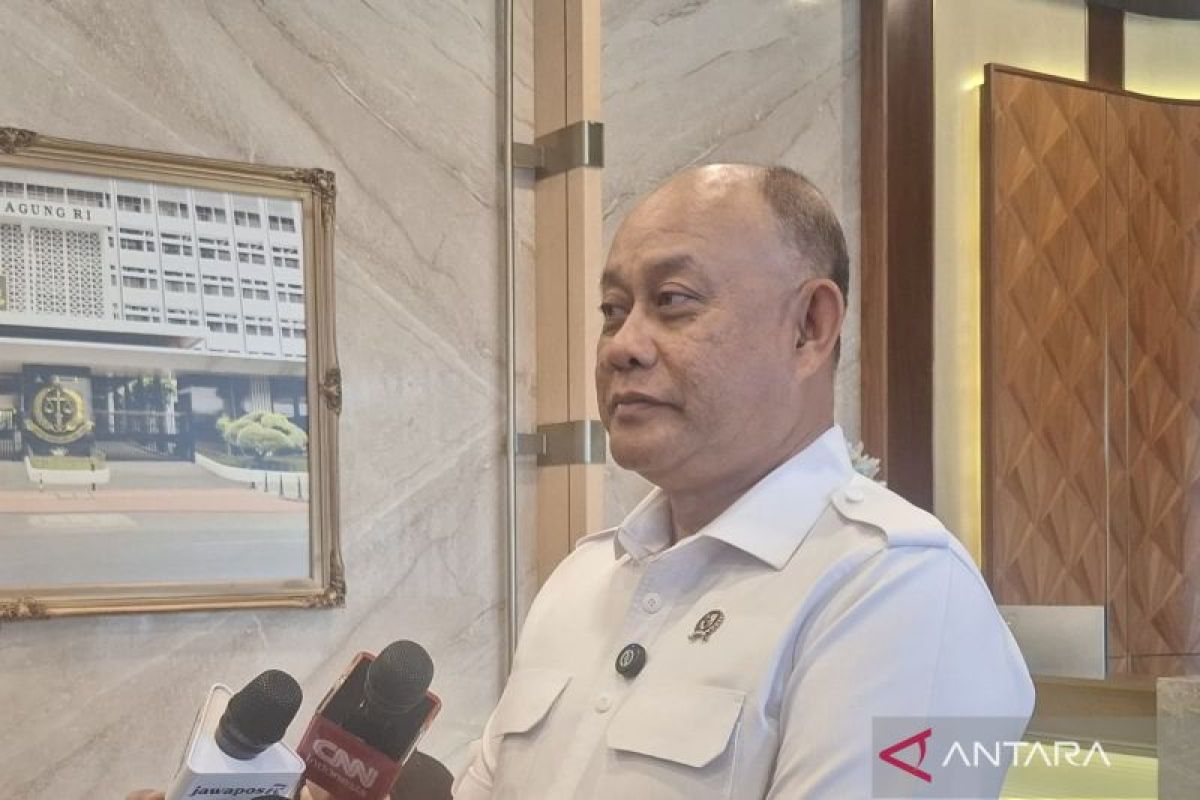
“Wastewater management is a crucial part of the MBG system. It’s not just about nutritious food, but also about maintaining hygiene and ensuring the entire process doesn’t pollute the environment,” said BGN Head Dadan Hindayana in Jakarta on Friday.
Hindayana explained that domestic wastewater under the MBG program consists of two types: non-toilet waste and toilet waste, which originated from operational activities at the kitchen unit.
In its implementation, the free meal kitchens are given two management options: independently treating wastewater using existing facilities or collaborating with a third party competent in wastewater treatment.
“The results of the wastewater treatment can be disposed of or reused, while still complying with applicable laws and regulations,” he said.
He explained that if wastewater is disposed of, the free meal kitchen is required to ensure the process is carried out safely and in a controlled manner.
This includes the operation and maintenance of wastewater treatment plants, determining management points, and ensuring the waste flows smoothly into drainage channels without causing pollution.
The agency also requires each free meal kitchen to provide supporting facilities and infrastructure, including wastewater treatment installation and temporary storage areas for waste before further processing.
“We want MBG to be a clean, healthy, and responsible program. From the food consumed to the waste generated, everything must be managed properly,” he said.
In its implementation, BGN does not work alone. Supervision is carried out collaboratively, involving various parties, including the ministry responsible for environmental affairs, government agencies in the food sector, and local governments.
The guidance and supervision are carried out through several mechanisms, including regular monitoring and evaluation, as well as providing technical guidance to implementers in the field.
BGN aims to ensure that stronger monitoring makes the MBG Program more orderly, hygienic, and environmentally friendly, while reducing food waste and minimizing negative environmental impacts.
Related news: BGN mandates circular economy in MBG program waste management
Related news: Indonesia’s BGN issues regulation on food waste in free meal program
Related news: Indonesia pushes innovative menus for free meal program
Translator: Lintang Budiyanti Prameswari, Cindy Frishanti Octa