
BGN Head: All Goods Procurement Conducted in a Measured Manner
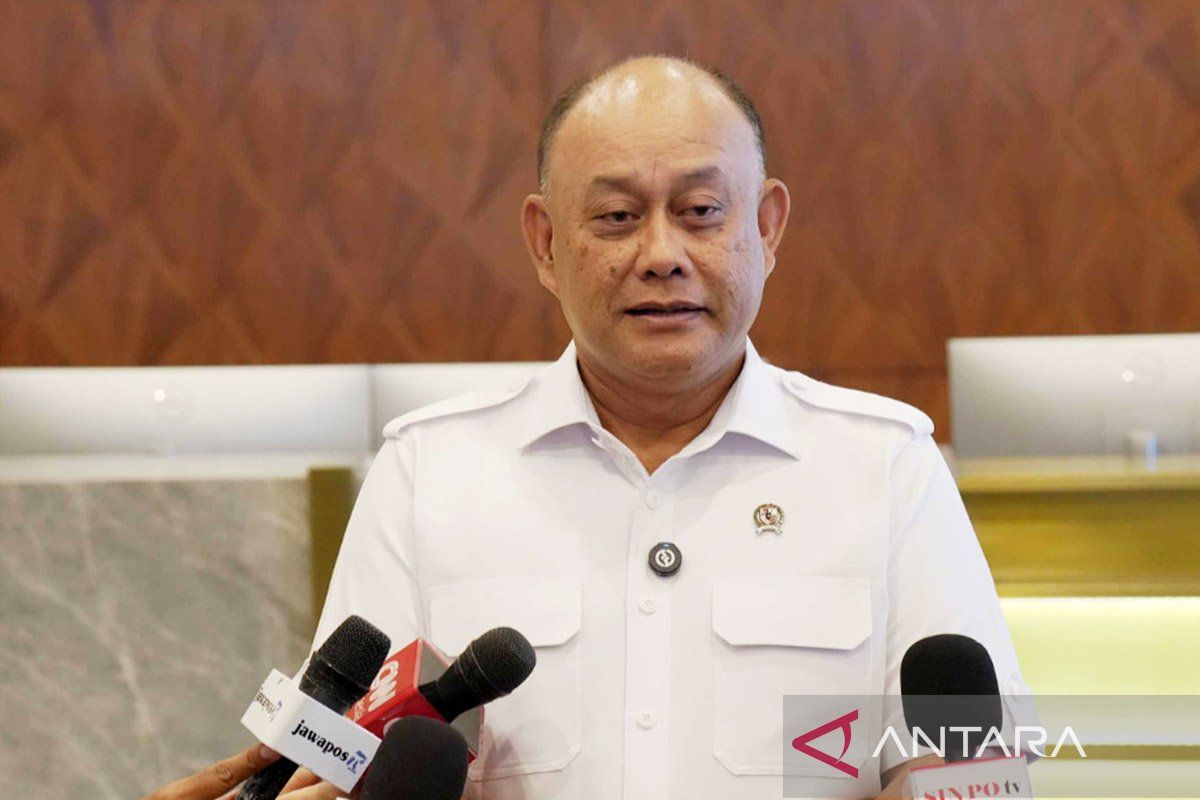
Jakarta (ANTARA) - The Head of the National Nutrition Agency (BGN), Dadan Hindayana, has emphasised that all procurements of goods, such as socks, laptops, and eating utensils that have come under public scrutiny, were conducted in a measured manner. Dadan stressed that the procurement of these items is indeed part of the operational needs of the Free Nutritious Meals Programme (MBG), but the quantities are not as large as widely reported. The BGN Head affirmed that the procurement of socks, laptops, and eating utensils was carried out according to actual field requirements and not in the fantastically large numbers circulating in reports. He stated that throughout 2025, laptop procurement within the BGN environment will only amount to 5,000 units, not 32,000 units. Additionally, regarding the procurement of eating utensils, it is only for 315 Nutrition Fulfilment Service Units (SPPG) built through state budget (APBN) financing. “The procurement of eating utensils is only for 315 SPPG funded by the APBN with a budget allocation of around Rp215 billion,” Dadan said. The BGN assured that the construction of these APBN-based SPPG has been determined based on a Joint Ministerial Decree (SKB), so all procurements follow the government’s established planning. From the budget perspective, Dadan detailed that the allocation for eating utensils procurement is Rp89.32 billion, with realisation reaching around Rp68.94 billion. This indicates that the procurement was carried out efficiently and did not exceed the allocated budget. Furthermore, the procurement of kitchen equipment is also an important part in supporting SPPG operations. For kitchen equipment procurement, the budget allocation is set at Rp252.42 billion with realisation around Rp245.81 billion. According to him, all these procurements were conducted in a measured manner and adjusted to the operational needs of each SPPG, so there is no waste of budget in their implementation. Dadan emphasised that these figures are far from the public claims circulating that the procurement value reaches trillions of rupiah.