
BGN Head: 93 Per Cent of Rp268 Trillion BGN Budget Transferred to SPPG Accounts
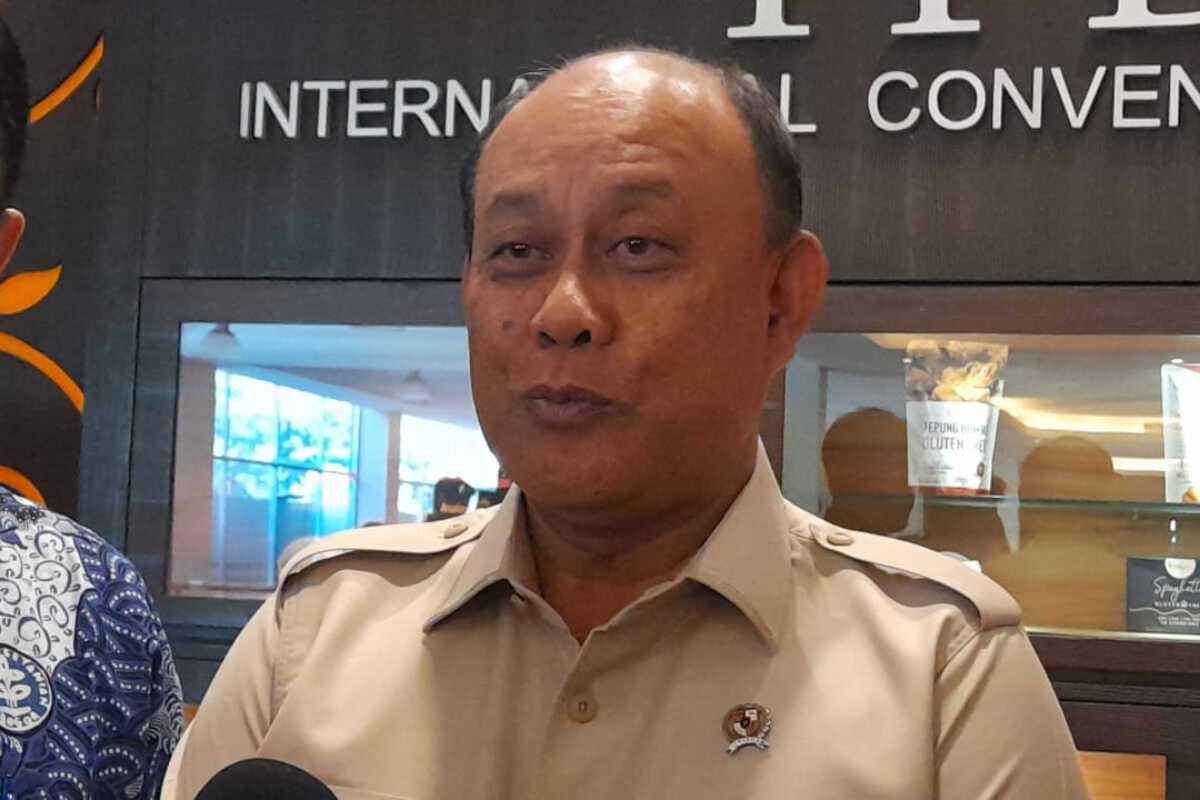
The National Nutrition Agency (BGN) has allocated Rp268 trillion for the 2026 financial year as specified in the state budget law, with approximately Rp67 trillion held as contingency funds, announced BGN head Dadan Hindayana during a press conference on the Free Nutritious Meal Programme (MBG) at the Nutrition Fulfilment Service Unit (SPPG) Cibuluh 1 in Bogor, West Java, on Saturday (28 February).
“It is important to note that 93 per cent of the Rp268 trillion is used for government-funded nutritious meal assistance through the MBG programme,” Dadan explained. This amounts to approximately Rp240 trillion, which is transferred directly from the State Treasury Service (KPPN) to virtual accounts of individual SPPGs across Indonesia.
“The number of SPPGs in each region will reflect the amount of money circulating in that area. Every month, the BGN will transfer an average of Rp1 billion per SPPG, except for Papua and Eastern Indonesia, where amounts may be higher,” he elaborated.
Dadan provided Bogor City as an example, where approximately 150 SPPGs currently operate, meaning Rp150 billion per month circulates through BGN funding in the city. Of this amount, 70 per cent is allocated for purchasing raw materials including rice, oil, eggs, chicken, vegetables, fruits and spices. A further 20 per cent covers operational costs and employee incentives—approximately Rp100,000 per day in Bogor City, or Rp2.4 million for a 24-day working month. The remaining 10 per cent is allocated as incentives for partners, averaging Rp6 million per day per SPPG.
“Based on our projections, we expect the 2026 programme to absorb approximately Rp314 trillion, which will necessitate mobilisation of additional budget allocations,” Dadan noted.
The MBG initiative has been operational for one year and two months and currently targets 82.9 million beneficiaries comprising pregnant women, nursing mothers, young children, and all schoolchildren from early childhood education through secondary school, including Islamic boarding school students. Dadan indicated this figure represents a baseline and may increase further as additional eligible recipients, including unregistered Islamic school students and those without national identification numbers, are enrolled.
Dadan clarified that whilst the programme is a fundamental right for all Indonesian children from conception to age 18, participation is voluntary. He cited several schools in Bogor that have declined the programme, including Bosowa Bina Insani, Regina Pacis, Mardiyuana and Sekolah Bogor Raya, which he noted are generally from upper-middle-income families. “We respect their decision. There is no coercion in the MBG programme,” he stated.
Dadan further emphasised that the MBG programme extends beyond food production, driving increased consumer spending and creating employment opportunities. He addressed circulating narratives suggesting the large MBG budget had been diverted from education, health and other ministerial assistance allocations, clarifying that funds come from dedicated BGN budget lines. The BGN has undertaken evaluations following identification of notable implementation issues, implementing corrective measures including waste management protocols and enforcement of standard operating procedures at SPPGs.
The Ministry of Social Affairs and the BGN are also collaborating to finalise implementation frameworks for extending the MBG programme to elderly citizens and persons with disabilities.