
BGN Head: 62 Poor Meals Go Viral, Thousands of Other SPPG Units Run Well
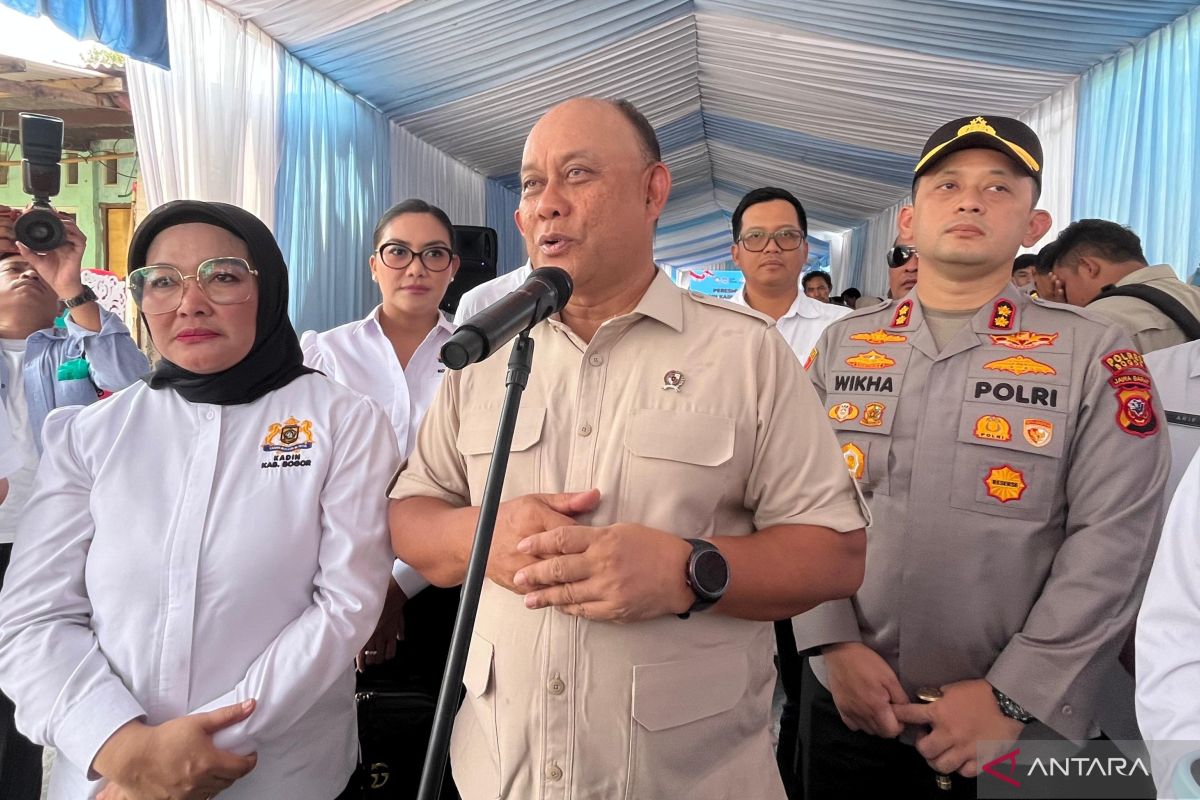
The majority of SPPG across Indonesia continue to operate effectively and provide services to the community in accordance with standards.
Bogor Regency (ANTARA) - The Head of the National Nutrition Agency (BGN), Dadan Hindayana, stated that only 62 cases of poor meals went viral out of around 25,000 Nutrition Fulfilment Service Units (SPPG) operating during Ramadan.
“Out of the 25,000 running during Ramadan, 62 produced poor meals. And it was those poor meals that went viral,” Dadan said during the inauguration of SPPG Cijujung 03 in Cijujung Village, Sukaraja Subdistrict, Bogor Regency, West Java, on Wednesday.
Dadan emphasised that the majority of SPPG throughout Indonesia continue to operate well and provide services to the community in accordance with standards.
He regretted that public attention has focused more on negative cases, while thousands of other SPPG running well receive no attention.
According to Dadan, this situation needs to be clarified so that the public gains a complete picture of the implementation of the Free Nutritious Meals (MBG) programme.
He also invited all parties, including partners and the community, to share positive stories from the beneficiaries of the programme.
“I request assistance in highlighting the stories of community beneficiaries of this nutritious meals programme, so that the public knows about it,” he said.
Dadan affirmed that, in general, the implementation of SPPG in various regions has provided widespread benefits, particularly for vulnerable groups such as pregnant women, breastfeeding mothers, and toddlers.
Currently, he continued, the coverage of MBG programme beneficiaries has reached around 62 million people throughout Indonesia.
BGN assures that it will continue to conduct evaluations and supervision to maintain the quality of SPPG services, so that the nutrition fulfilment programme can run optimally and sustainably.
He added that the role of partners and the community is also important in maintaining quality standards, while strengthening public trust in the programme.