
BGN Head: 60% of Children in Indonesia Lack Access to Balanced Nutrition Meals
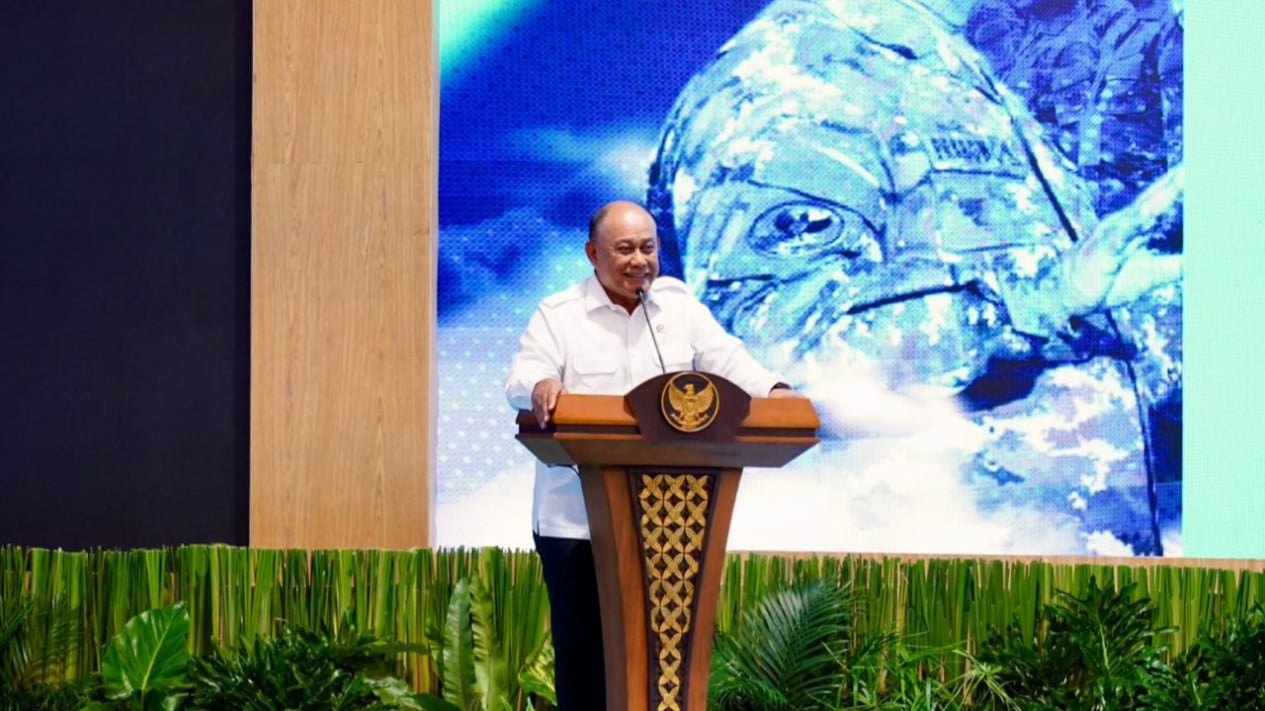
Magelang, VIVA – The Head of the National Nutrition Agency (BGN), Dadan Hindayana, delivered a presentation on the development and impact of the Free Nutritious Meals Programme (MBG) at the Retreat for Chairs of Regional People’s Representative Councils across Indonesia in Magelang on Saturday, 18 April 2026.
In that forum, Dadan explained that the background of the programme stems from the President’s attention to Indonesia’s high population growth, which must be matched by improvements in human resource quality.
“This programme actually originated from the President’s concerns, because Indonesia is still growing by six people per minute, three million per year, and will continue to grow to reach 324 million by 2045. Now the problem is not the growth itself, but where that growth is coming from,” Dadan stated in his remarks, quoted on Monday, 20 April 2026.
He highlighted the still low average length of education among Indonesians, which is only nine years. This causes many children to be unable to access balanced nutritious meals.
“So, Indonesian children today are mostly born to parents whose education is only up to primary school. It’s no surprise then that 60 percent of children do not have access to balanced nutritious meals, 60 percent of children rarely drink milk or even cannot afford milk,” Dadan revealed.
Through the MBG Programme, the government is conducting comprehensive interventions focused on two important phases: the first 1,000 days of life, which determine intelligence development, and the school-age phase, which plays a role in optimal physical growth.
Dadan also emphasised that the success of this programme is expected to reduce stunting rates and improve the intelligence quality of future generations.
“We hope that with this programme, stunting can be prevented, because Indonesia’s average IQ is currently 78. We hope that with the presence of this programme, in 10 to 15 years, those born today, who will become productive workers 20 years from now, will not be stunted, and their height will increase because we are intervening from now,” Dadan stated.
In addition to impacts on health and education, Dadan also conveyed the broader impacts of the MBG programme, one of which is its effect on the local economy.
To date, the MBG Programme has reached all regions of Indonesia through 27,000 SPPG units, with a total budget absorption of Rp60 trillion. That budget has been distributed from Sabang to Merauke and has contributed to driving the wheels of the economy in various areas, including at the village level.