
BGN Explains Rp5.7 Billion Video Conference Budget
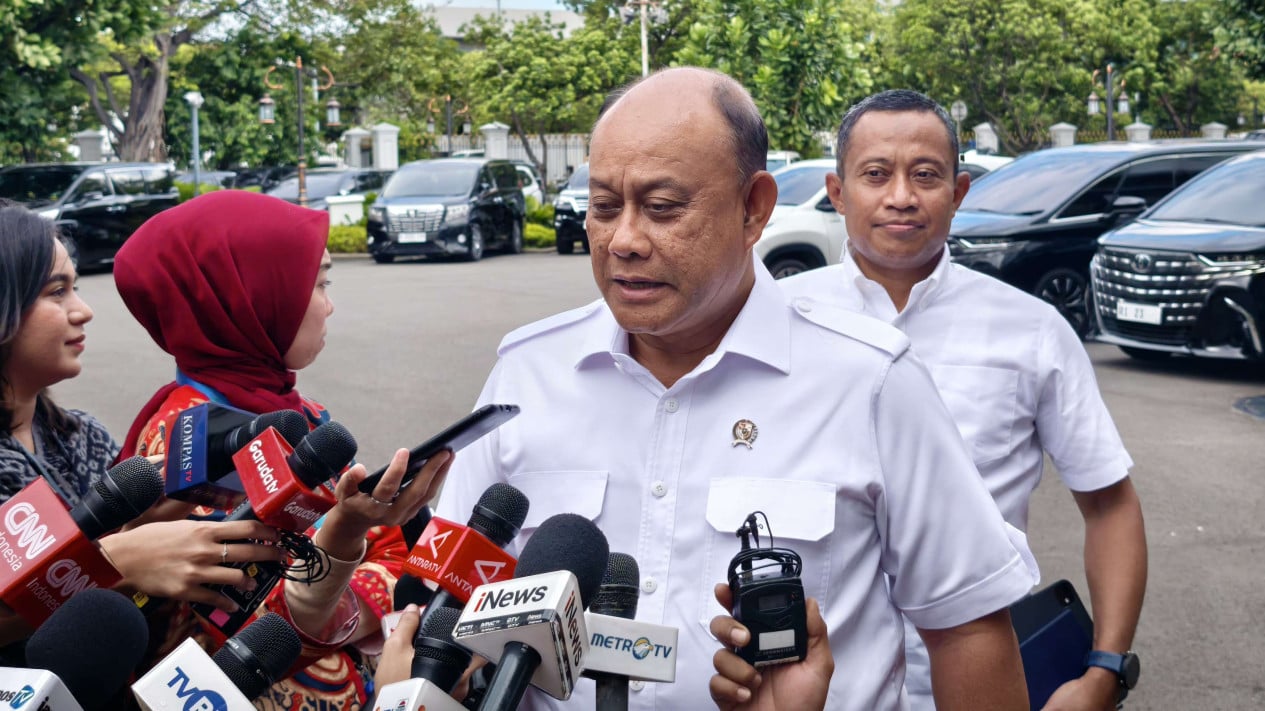
The National Nutrition Agency (BGN) has provided an explanation regarding the procurement of video conferencing services worth Rp5.7 billion for the period April to December 2026. Head of BGN, Dadan Hindayana, stated that the service is prepared to support the implementation of the free nutritious meals (MBG) programme. He noted that the MBG programme requires extensive coordination, uniform delivery of technical guidance, and education for various stakeholders at central and regional levels. Dadan explained that the execution of the nutritious meals programme does not only rely on field service distribution but also on BGN’s ability to ensure that all implementers understand the same directives, guidelines, and implementation standards. Therefore, digital communication tools with large capacity are needed to maintain information alignment across all levels of programme execution. “The nutritious meals programme involves many parties, from the centre, local governments, service units, to field implementers. In such situations, fast, simultaneous, and documented coordination becomes an important part of the programme’s success,” Dadan said in his statement on Saturday, 25 April 2026. According to Dadan, the video conferencing service is a centralised enterprise system managed by BGN’s Data and Information Centre (Pusdatin), with a capacity of around 5,000 active users and the ability to host up to 50,000 participants in a single virtual meeting session. The service will be used by the entire BGN organisational structure, from high-level leaders (equivalent to echelon I), mid-level leaders (equivalent to echelon II), administrative officials (equivalent to echelon III), to heads of Regional Nutrition Fulfilment Service Units (SPPG) in the regions. The service will be used for various programme needs, including national and regional coordination meetings, policy socialisation, delivery of technical guidelines, technical guidance for implementers, programme evaluation forums, and public education activities. With this large capacity support, BGN can reach tens of thousands of participants at once, including implementers in various regions who need direct guidance from the centre. “We want to ensure that messages, directives, and programme implementation guidelines can be received intact by implementers in various regions. This need is part of the work system to maintain the quality of programme execution,” he concluded.