
BGN Enlists Attorney General's Office to Strengthen Internal Oversight
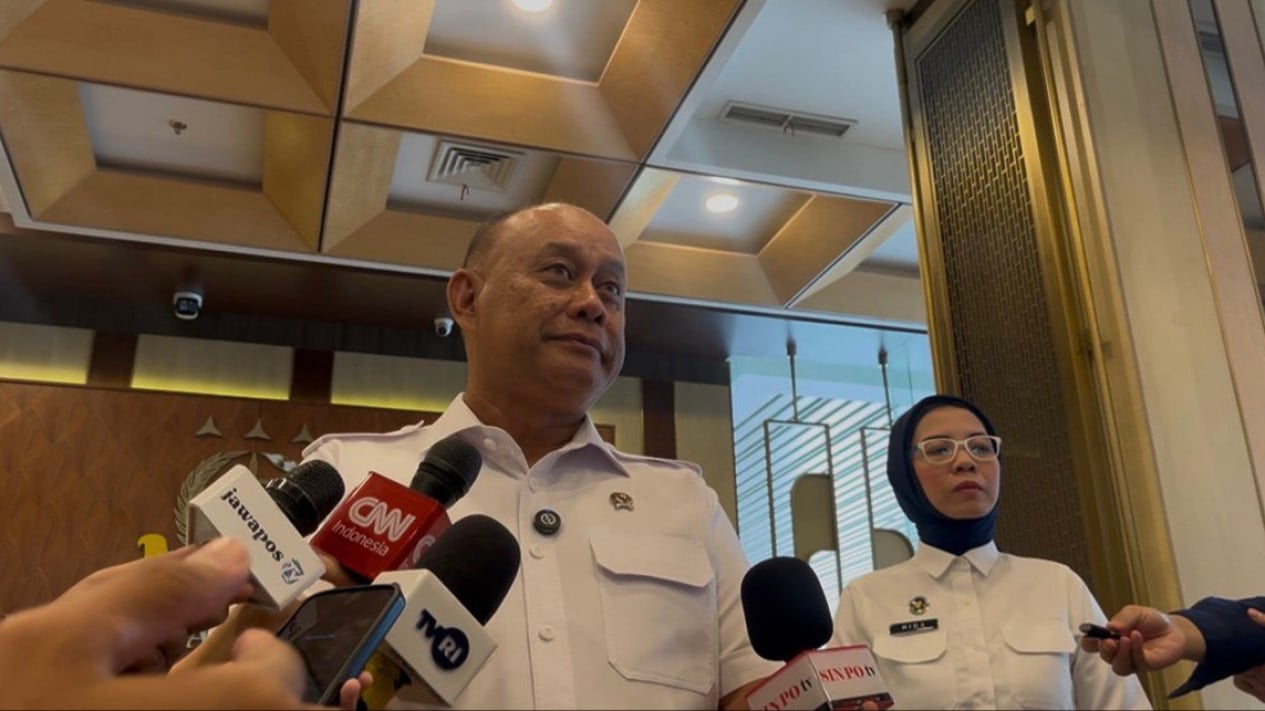
Jakarta — The National Nutrition Agency (BGN) is beginning to strengthen internal oversight. One step being prepared is to enlist the Attorney General’s Office by placing a prosecutor within the agency’s central hierarchy.
This emerged following a meeting between BGN Head Dadan Hindayana and Attorney General Sanitiar (ST) Burhanuddin at the Attorney General’s Office complex in South Jakarta on Tuesday, 17 March 2026.
During the meeting, Dadan directly requested that a prosecutor be assigned to a position within the BGN.
“I have also requested that there be a component from the Attorney General’s Office that we will assign to serve as one of the officials at the National Nutrition Agency. What we are asking for is to strengthen the BGN team at the central level,” Dadan said.
He explained that this requirement arose to strengthen the internal supervisory system at BGN, particularly at the strategic level. The assigned prosecutor will occupy an eselon II position.
However, Dadan has not yet disclosed who will fill the position. He merely assured that the appointment will be carried out directly by him.
The prosecutor will focus on the supervisory function, particularly within the inspectorate.
“Yes, particularly within the inspectorate. That is, eselon 2,” Dadan said.
Beyond the central office, oversight strengthening will also be extended to regional levels. BGN plans to involve District Attorney Offices to support the Nutrition Fulfilment Service Unit (SPPG) programme.
To date, BGN’s internal oversight has operated with the involvement of the State Audit Board (BPKP) and coordination with the Attorney General’s Office in programme and budget support. However, this new arrangement is deemed to make oversight more comprehensive.
“And now we want to add one oversight component, namely through all prosecutor components from the Attorney General’s Office that exist in the regions,” he said.
This step is expected to strengthen control over the national nutrition fulfilment programme whilst minimising the potential for irregularities in its implementation.