
BGN Commits to Strengthening Quality of Free Nutritious Meal Programme Amid Early Ramadhan Menu Controversy
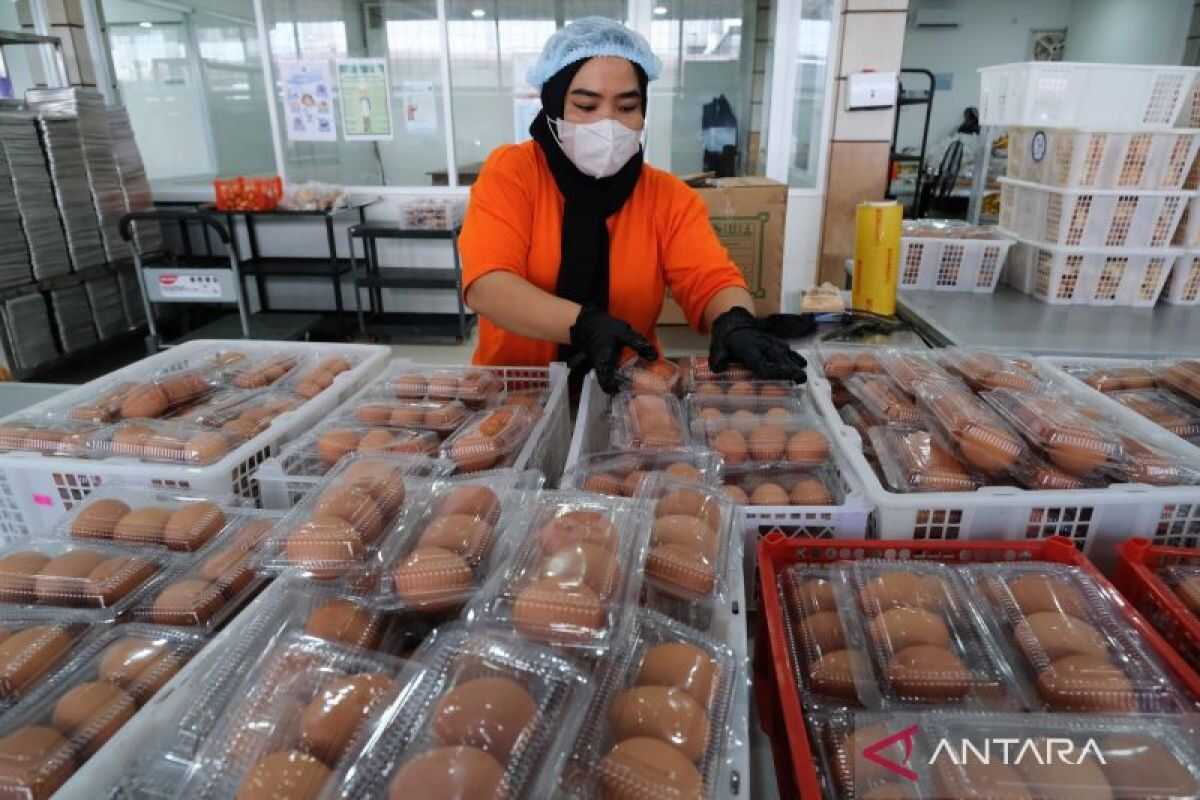
Jakarta — The National Nutrition Body (BGN) has committed to continuously improving quality standards in response to widespread media coverage regarding menus in the Free Nutritious Meal Programme (MBG) at the start of Ramadhan, which the public had deemed insufficient in meeting nutritional adequacy standards.
BGN Head Dadan Hindayana announced this commitment whilst conducting a coordination meeting with all partners and heads of Nutritional Service Fulfilment Units (SPPG) to address ongoing developments in the field.
“We wish to ensure that the implementation of the Ramadhan MBG remains compliant with nutritional standards, properly targeted, and transparent in budgetary usage. This evaluation is important to prevent misunderstandings in the public sphere,” said Dadan in a statement in Jakarta on Wednesday.
He requested all SPPG units and partners to pay attention to food packaging. Food must not be packaged solely in simple plastic bags but instead placed in more presentable, hygienic containers capable of maintaining food quality until it reaches the beneficiaries.
Dadan also highlighted the composition of food ingredients to ensure compliance with established raw material budgets. He noted that menu items such as beans were considered relatively more expensive compared to eggs, whilst eggs were perceived as having superior protein credentials and greater public acceptance.
Consequently, partners were asked to adjust menu compositions by substituting beans with eggs without reducing nutritional value.
Dadan also ensured that each SPPG unit would produce detailed explanations regarding nutritional adequacy standards and pricing for each food ingredient in every menu. The budgetary allocation for raw material prices was stated as Rp8,000 for toddlers through Grade 3 primary students and Rp10,000 for other groups.
“This baseline benchmark may vary according to regional cost indices and operates on an at-cost basis, therefore it must be explained transparently to the public,” said Dadan.
In efforts to maintain food quality, each SPPG unit was also tasked with beginning procurement of vacuum sealing equipment to extend shelf life, ensure hygiene, and maintain food suitability for consumption during distribution. This step forms part of strengthening food safety standards in the implementation of MBG during Ramadhan.
BGN cautioned partners against forcing the use of raw materials already in poor condition. Should unsuitable materials be identified, distribution could be postponed and replaced the following day. This policy was adopted to ensure beneficiary safety and health remained the paramount priority.
“We do not wish for any compromise regarding quality. The principle is straightforward: food must be safe, nutritious, and compliant with budget allocations. Should any material prove unsuitable, it is better replaced than forced through. This reflects our responsibility to the public,” he stated.