
BGN Clarifies Incentive Status for Suspended Nutrition Service Units
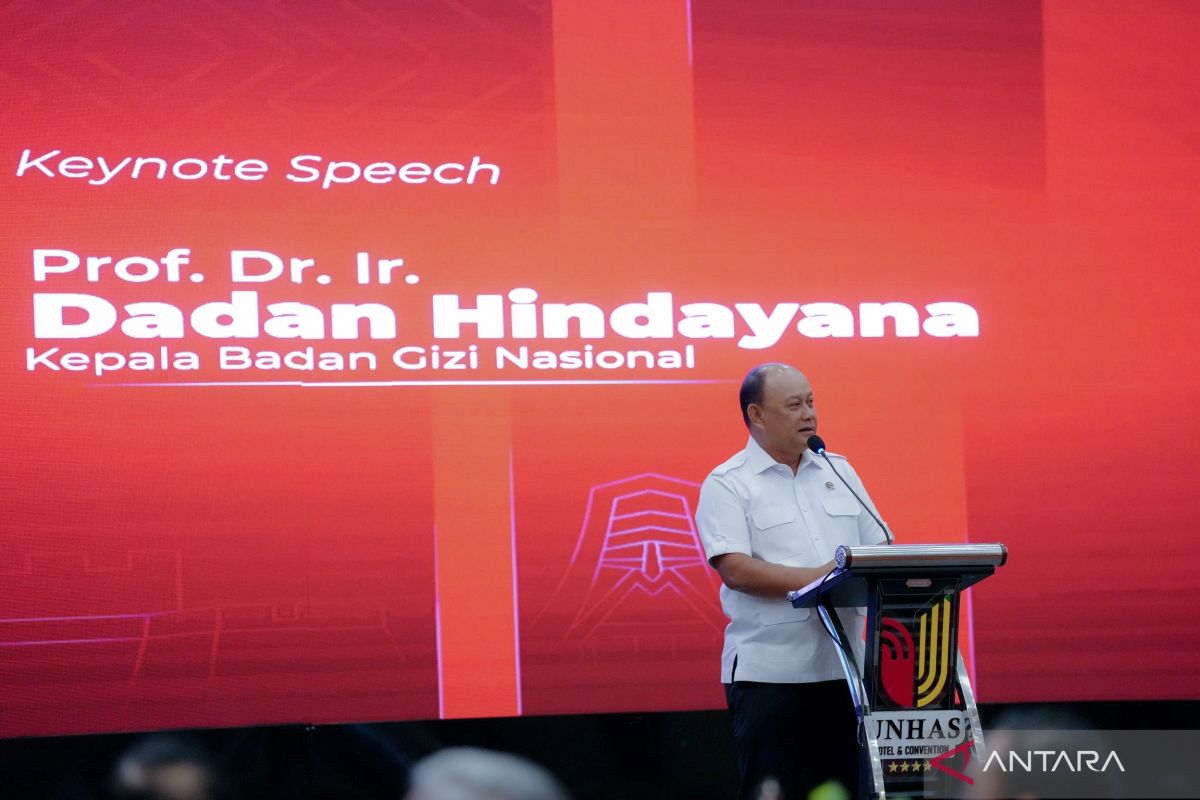
Jakarta (ANTARA) - The Head of the National Nutrition Agency (BGN), Dadan Hindayana, has clarified the status of incentive provision for Satuan Pelayanan Pemenuhan Gizi (SPPG) units that have been suspended. Dadan explained that not all suspended SPPG units automatically lose their incentives, but this is determined based on the cause and level of violation that occurred. In cases of Extraordinary Events (KLB), the provision of incentives heavily depends on the source of the problem. “If the KLB occurs due to negligence by partners or foundations, such as unworthy kitchen facilities or those not meeting standards, then that SPPG unit is not entitled to incentives. The same applies if a food security incident is triggered by non-fresh raw materials or errors from partners as raw material suppliers,” Dadan stated in an official statement in Jakarta on Wednesday. He added that if the SPPG is also found to engage in unhealthy practices such as supplier monopolies or price manipulation, it clearly will not receive incentives. However, if the KLB occurs due to technical errors at the kitchen implementation level, for example, not following standard operational procedures (SOP) such as cooking processes that are too hasty, then the SPPG can still receive incentives despite its suspended status. Based on technical guidelines (juknis), if the KLB occurs due to technical errors at the kitchen implementation level, for example, not following standard operational procedures (SOP) such as cooking processes that are too hasty, then the SPPG can still receive incentives despite its suspended status because the error is considered operational and can still be corrected without indications of systemic violations. The Head of BGN also detailed the categories of suspensions that form the basis for assessing incentive provision. First, prominent event categories not caused by the aid recipient’s negligence still receive incentives. Second, prominent events caused by the aid recipient’s negligence do not receive incentives. Third, non-prominent event categories requiring minor improvements still receive incentives. Fourth, non-prominent events requiring major improvements do not receive incentives. According to him, such major suspensions refer to conditions where the SPPG requires many fundamental improvements that cannot be completed in a short time. “The improvements can take one month or more because they involve quite broad aspects, both in terms of facilities, systems, and operational readiness,” he said.