
BGN affirms that SPPG workers must be protected by BPJS Ketenagakerjaan
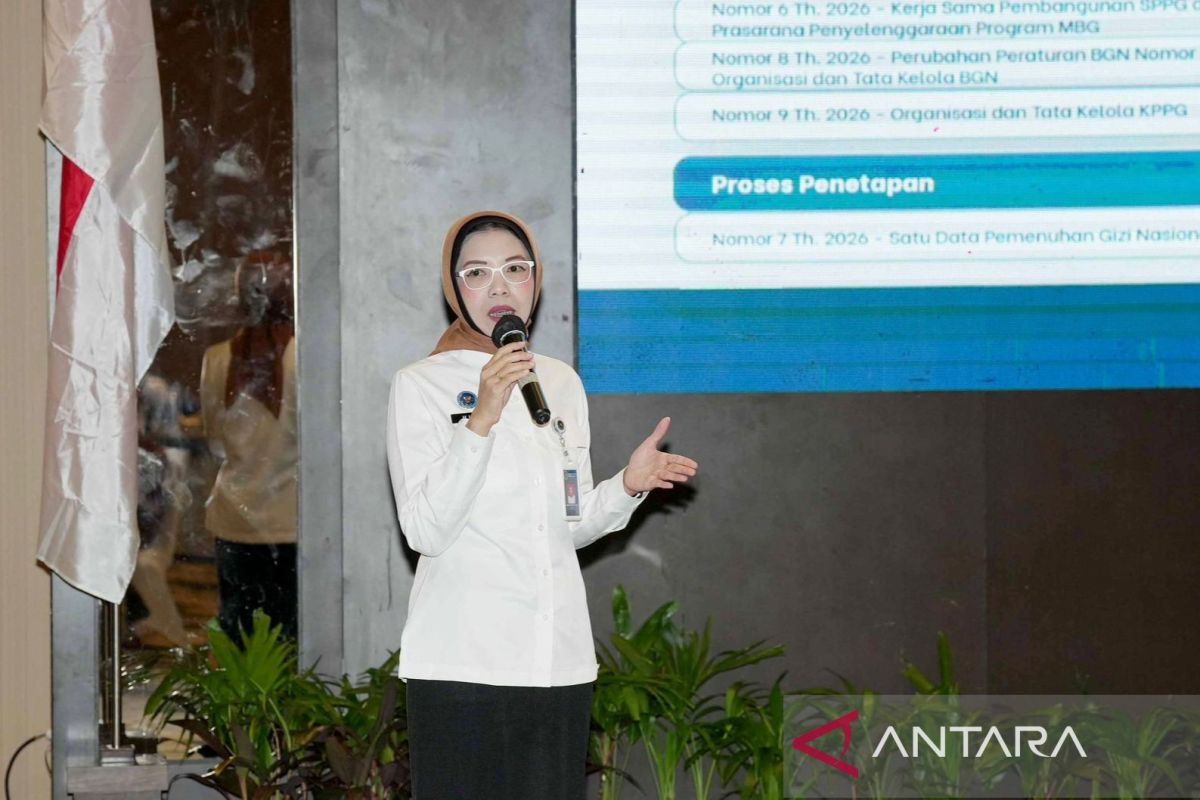
Jakarta (ANTARA) - The Head of the Legal and Public Relations Bureau of the National Nutrition Agency (BGN), Khairul Hidayati, has stressed the importance of labour protection for workers in the Nutrition Fulfilment Service Units (SPPG) as part of strengthening the governance of the Free Nutritious Meals Programme (MBG). Hida views the volunteers and SPPG workers as the frontline in implementing the programme, as they work daily under high-risk conditions. “According to BGN Head’s Decision No. 401.1 of 2025, every foundation is obliged to ensure BPJS Ketenagakerjaan coverage for employees and volunteers,” Hida stated in an official release in Jakarta on Wednesday. Hida added that the operational cost of Rp3,000, paid on a cost basis, can also be used to fund BPJS Ketenagakerjaan membership for volunteers. “The operational cost of Rp3,000 currently paid on a cost basis is one of the uses for paying BPJS Ketenagakerjaan membership for volunteers. Therefore, this is essentially their right. Thus, all volunteers/employees in SPPG are entitled to work accident protection and health insurance,” she explained. According to her, this protection represents the state’s presence in safeguarding the implementers of the MBG Programme in the field. Through collaboration between BGN and BPJS Ketenagakerjaan, SPPG workers will receive various forms of protection, from work accident insurance, death benefits, compensation, healthcare services, to educational scholarships for children. “When workers feel safe and protected, the quality of services will also improve, and ultimately, the programme’s sustainability will be better maintained,” she said. She also emphasised that accelerating the Hygiene and Sanitation Fitness Certificate (SLHS) and strengthening labour protection cannot be done alone but requires collaboration among various parties, from central government, local government, health agencies, BPJS Ketenagakerjaan, BPOM, to foundations managing SPPG. “The success of the programme is ultimately not only measured by the amount of food distributed, but by how safely and qualitatively the programme is run,” she concluded.