
BGN Affirms that Rp 6 Million Incentive Can Be Stopped if MBG Kitchen Fails to Meet SOP
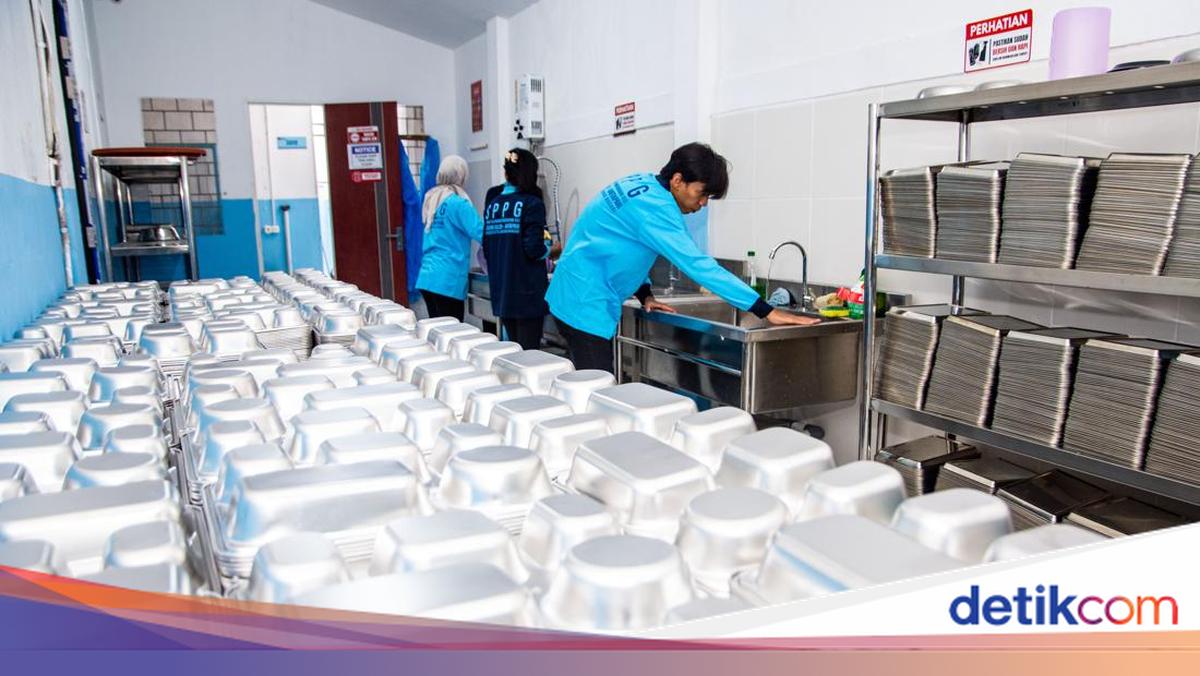
The National Nutrition Agency (BGN) states that the Rp 6 million daily incentive for Nutrition Fulfilment Service Units (SPPG) can be immediately halted if the SPPG facilities fail to meet operational standards. BGN assures that it will conduct strict supervision of SPPG.
“The operational logic of this disciplinary mechanism is based on the highest supremacy of the ABP law, namely no service, no pay,” said Director of Nutrition Fulfilment Risk Management at BGN, Rufriyanto Maulana Yusuf, in his statement on Friday (3/4/2026).
Rufriyanto explained that no payment means the Rp 6 million daily incentive can be directly stopped if the facilities do not meet operational standards or are declared unfit for use.
“The right of partners to this Rp 6 million incentive will immediately be forfeited if the SPPG facilities are classified as failed to operate or unavailable due to various reasons,” he said.
According to him, this disciplinary mechanism serves as a tool for enforcing compliance (punitive control). The aim is for partners to always maintain optimal service quality and sanitation.
“This quality defect parameter is applied strictly if, for example, E. coli is detected in the SPPG water filter, the wastewater flow is blocked flooding residential areas, the chiller machine fails causing meat to rot, or fails to obtain the Hygiene Sanitation Certificate (SLHS) from the Ministry of Health, then legally the facility is declared not to meet standby readiness, and on that day, the Rp 6 million incentive is immediately suspended,” Rufriyanto explained.
Rufriyanto added that this provision also encourages partners to diligently maintain facility quality every day, as all operational risks lie with the partners.
Thus, food safety standards and environmental cleanliness in the MBG programme can be continuously maintained. In addition, he assesses that this policy is part of the ongoing transformation of public governance.
Although it still requires adjustments in various operational aspects, he emphasised that the SPPG partnership scheme has significant strategic value.
“We need to realise that every major transformation in public governance is always a continuous improvement process. The MBG programme through the SPPG partnership scheme may still require adjustments in various operational aspects, but denying its strategic value based on narrow prejudice would be an intellectual loss,” he stated.
Finally, he invited the public to view this policy objectively as an effort to shift capital expenditure burdens into long-term investments for the quality of life of future generations. He said the programme aims to realise a self-reliant and competitive nation.
“By examining this policy intelligently and beyond mere surface rhetoric, we will see that this instrument is not about one-sided gains, but about patriotic mutual cooperation to achieve national sovereignty that is independent and competitive,” he concluded.