
Beware, Traps on the Screen Ready to Ensnare Children
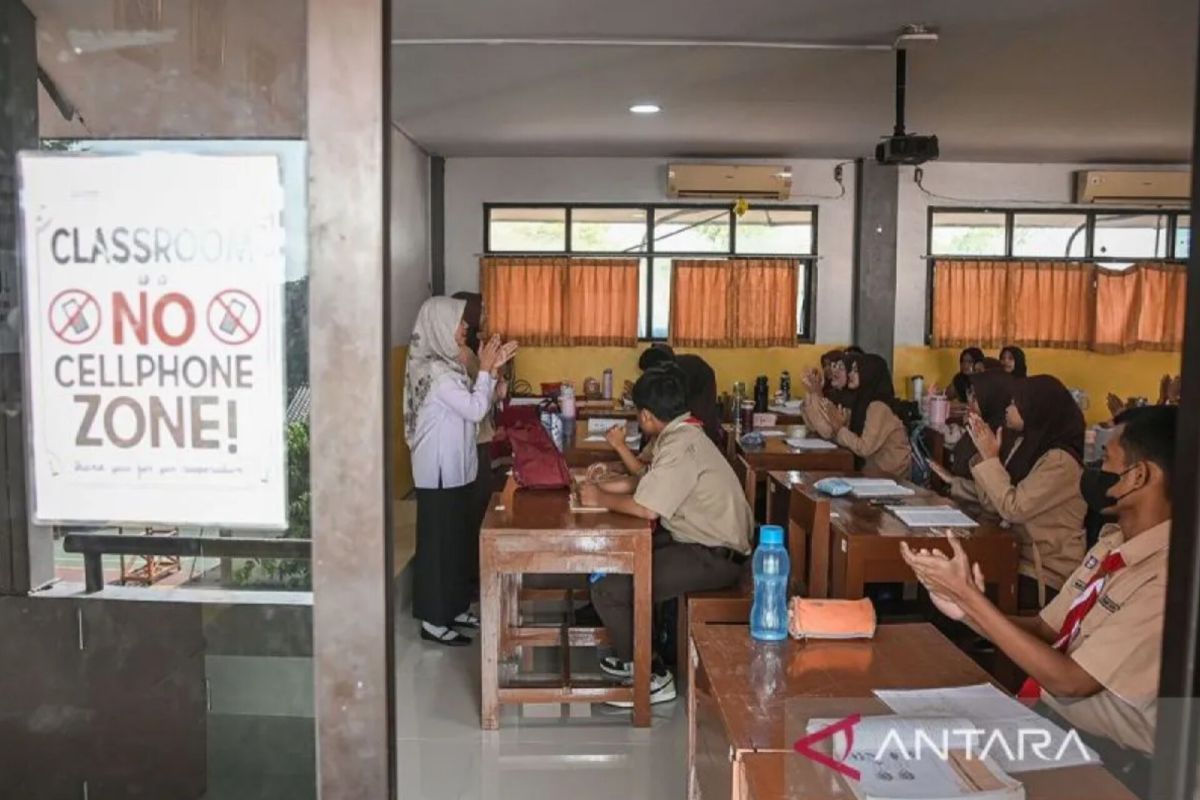
Adolescents and even children today are exposed to digital technology, whether through social media or online games, placing them at risk of online grooming.
Jakarta (ANTARA) - Seductive overtures or even empathy displayed on gadget screens can be traps aimed at exploiting or committing sexual violence against children. This is a real threat, and residents of the capital must remain vigilant as the potential risks to their offspring grow with the ease of technology access.
The act, often referred to as child grooming, is one form of violence targeting children, namely a manipulation process by adults who build emotional closeness and trust with the child, thereby increasing their control over the child.
The DKI Jakarta Agency for Child Empowerment, Protection, and Population Control (DPPAPP) through the Technical Implementation Unit for Women’s and Children’s Protection (UPT PPA) acknowledges that child grooming can generally occur directly or through digital spaces (online grooming).
Perpetrators do not always appear malicious. They usually first build closeness with the victim, then establish trust, followed by providing attention or even gifts or promises.
Once closeness is established, they proceed to isolate the child. Perpetrators may even force the victim to send intimate photos or videos, then threaten them.
According to Clinical Psychologist Expert at the DKI Jakarta Provincial Women’s and Children’s Protection Centre, Meinita Fitriana Sari, they typically condition the child or adolescent— their targets— as if they have no way to seek immediate help because control is in the perpetrator’s hands, leading to an imbalance of power in the relationship.
In Jakarta, the teenage age group is the most vulnerable to child grooming because teenagers tend to start building relationships with many parties.
Teenagers interact more with peers than with their families. This is where they must have the ability to filter healthy and unhealthy relationships.
On the other hand, teenagers and even children today are also exposed to digital technology, whether social media or online games, placing them at risk of online grooming.
In this AI era, Polda Metro Jaya warns that threats to children can be more dangerous. Perpetrators use AI to disguise identities, manipulate photos or videos, and thus children can more easily trust and fall into traps.
Although not specifically for child grooming cases, UPT PPA DKI Jakarta records that the number of children experiencing sexual violence over the last three years, from January 2023 to 12 March 2026, in DKI Jakarta Province reached 1,422 children.
Meanwhile, nationally, reports from the Indonesian Child Protection Commission (KPAI) indicate that throughout 2025, 2,063 children became victims of violence. These figures show that children remain a vulnerable group, especially in the digital era.
Data from the Witness and Victim Protection Agency (LPSK) shows that throughout 2025, there were 1,776 applicants for protection in sexual violence criminal acts out of a total of 13,027 applications received.
Of that number, child victims reached 1,464 applicants. This data again shows that children remain a vulnerable group to sexual crimes.
DKI Jakarta’s Strategy