
Beware of World War: 3 Assets Indonesians Must Stockpile
Jakarta — Warnings of global conflict have intensified as tensions between Iran and Israel escalate, particularly following reports of the death of Iran’s supreme leader Ayatollah Ali Khamenei on Sunday, compounded by US and Israeli military strikes on Iranian territory the previous day.
During periods of crisis and economic uncertainty, prudent financial strategy is essential. Three critical assets have emerged as potential safeguards against financial catastrophe.
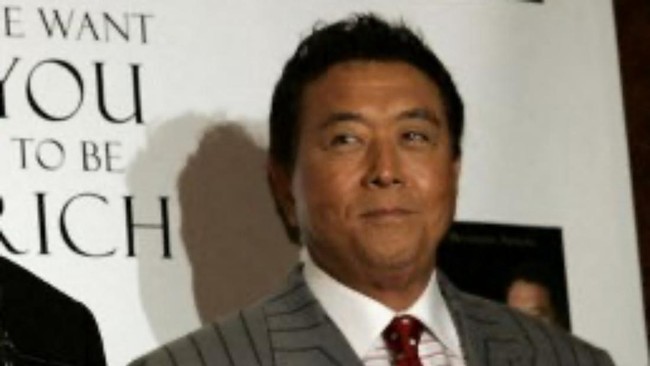
Robert Kiyosaki, renowned investor and bestselling author of Rich Dad Poor Dad, has warned of an imminent market collapse and the likelihood of another severe depression. He emphasises that purchasing gold, silver, and Bitcoin represents the best defence against potential financial turmoil.
Kiyosaki attributes the coming crisis to what he terms the “3 stooges” running the White House, the US Department of Treasury, and the Federal Reserve. “Because of the White House, Department of Treasury, and the Fed, another great depression is likely. Perhaps war. For millions of people, difficult times are coming soon,” he stated.
“For those with the right mindset and who are prepared, the next Great Depression will be the best time of their lives. Please prepare. Take care of yourself. Buy gold, silver, Bitcoin,” he added.
As of Monday 2 March 2026 at 06:28 WIB, gold prices had surged 1.4% to US$5,360.49 per troy ounce, marking the first time gold has returned to the US$5,300 level since December 2025. According to Refinitiv data, global gold prices closed at US$5,277.29, up 1.74% on Friday 27 February 2026, representing the highest level in the past month since 30 January 2026. On a weekly basis, global gold prices strengthened 3.41%.
Silver prices have similarly demonstrated a strengthening trend in late February 2026. Opening the week at US$88.22 per troy ounce on Monday 23 February 2026, prices consolidated at US$87.33 on Tuesday 24 February and US$88.35 on Thursday 26 February, before closing at their highest level of US$93.81 per troy ounce on Friday 27 February 2026. This trend is particularly significant given that mid-month on 17 February 2026, silver was trading at US$73.45 per troy ounce following earlier market corrections.
Bitcoin, by contrast, has recorded a sharp decline of 23% year-to-date through mid-February 2026, demonstrating that amid massive market uncertainty such as warfare and trade tensions, Bitcoin functions as a high-beta risk asset. During global panic shocks, institutions typically liquidate Bitcoin first to secure cash and cover margin requirements.
A striking data anomaly has emerged within this volatility. Cryptocurrency-backed gold assets, including PAX Gold (PAXG) and Tether Gold (XAUT), have surged with positive performance of +15% year-to-date during the same period. The 38 percentage-point performance gap between Bitcoin and tokenised gold represents a significant portfolio rotation signal. For portfolio managers, this massive divergence indicates valid capital rotation away from speculative instruments towards digitalised real assets seeking genuine security.
Amid geopolitical escalation and US protectionist policies, vast capital flows are shifting away from speculative instruments towards digitally-backed tangible assets in search of true safety.
Kiyosaki advises that the sole method for protecting oneself and loved ones is working diligently, spending money wisely, and investing in assets such as gold, silver, and Bitcoin. He remains an outspoken critic of conventional financial wisdom and an advocate of financial education for achieving wealth and success.
His latest warnings regarding potential Great Depression challenges reflect his previous views on financial intelligence and strategic investment, advocating for these three asset classes. Kiyosaki has consistently warned against accumulating traditional investment products, which he considers valueless assets, including fiat currency, stocks, bonds, mutual funds, and exchange-traded funds.
He contends that these investments are typically made by the poor and middle classes, who work diligently in jobs generating taxable “earned income” with promises of consistent salaries but no employment security.