
Beware of Tidal Flooding at the End of March 2026
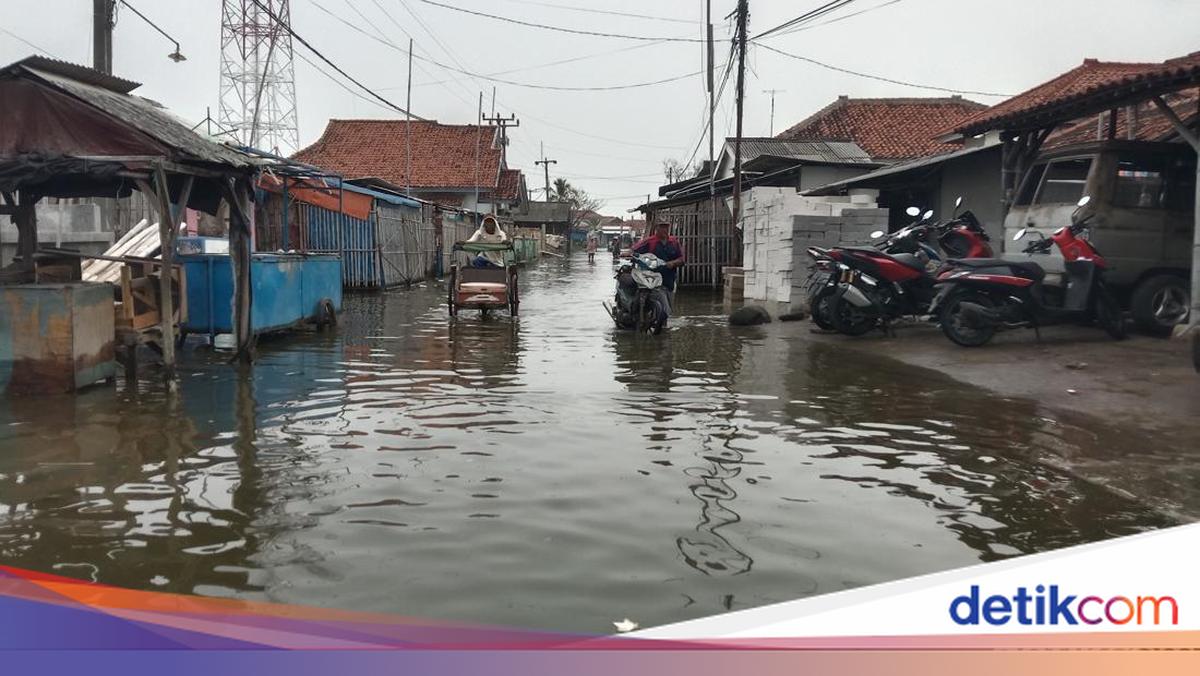
Information is circulating about the potential for tidal flooding ahead of 28-29 March 2026 in coastal areas, especially Jakarta and the northern coast of Java. This phenomenon should be approached calmly and rationally, yet with vigilance, to prevent panic while avoiding complacency. Tidal flooding, or seawater inundation, is a routine natural occurrence, particularly during full moon or new moon phases when maximum high tides (spring tides) happen. It is often combined with strong winds and low atmospheric pressure. The specified dates do indeed align closely with lunar phases that can heighten sea surges. Although the potential for tidal flooding exists, it does not always mean a major disaster will occur. The greatest dangers from the upcoming tidal flood include seawater entering settlements, causing damage to infrastructure, homes, or buildings; contamination of clean water by saline, brackish, and waste-laden water; disruptions to electricity and transportation; and post-flood diseases. While tidal flooding is not new, it can become hazardous if communities are unprepared.
Vulnerable Areas and Community Preparations
The most vulnerable regions are North Jakarta, including Muara Angke, Pluit, Cilincing, and Marunda; the coastal area of Bekasi in Muara Gembong; coastal Karawang and Subang; Indramayu; Cirebon; and Semarang, which have historically been highly susceptible; as well as Demak and Pekalongan.
Important preparations before the tidal flood:
Basic logistics for at least 2 to 3 days, including clean drinking water at about 2 litres per person per day. Ready-to-eat foods such as instant noodles, canned sardines, biscuits, dry bread, milk, and baby food if there are infants.
Essential medications include anti-diarrhoeal drugs, fever and flu remedies, antiseptics and wound dressings, oral rehydration salts, and skin treatments for itching and fungal infections. During and after the tidal flood, be alert for diseases like diarrhoea and vomiting due to contaminated water, skin infections from dirty water, leptospirosis from water tainted with rat urine, and most critically, the risk of dengue fever (DBD) from post-flood puddles. In summary, beware of acute respiratory infections (ISPA), including coughs, colds, sore throats, and in severe cases, shortness of breath. The humid and cold air preceding the tidal flood often accelerates the spread of viruses and bacteria. Air quality deteriorates with odours, gases, and particles from the floodwater. Ahead of the tidal flood, coastal communities should be particularly vigilant against rising ISPA cases. Therefore, use masks in humid or dirty environments and maintain home ventilation.
Emergency Transportation: Rubber Boats and Alternatives
Prepare rubber boats with a capacity for 4-6 people for families or neighbourhood units, equipped with oars, life jackets, and securing ropes. If rubber boats are unavailable, there are alternative emergency measures. Communities can create simple flotation devices from sealed plastic drums or large jerry cans, or from bamboo or lightweight wood bound with strong nylon rope. Method: Bind 4-6 drums as floats, attach a bamboo frame on top, create a simple deck with planks, and ensure stability before use. Although this suggestion is not ideal, it can save lives in emergencies.
Prepare Evacuation Shelters
Identify higher ground locations such as a neighbour’s house, family home, mosque, or school. Prepare mats or blankets, emergency lights, and power banks. Prioritise the elderly, children, and pregnant women. Ideally, every neighbourhood unit should have a collective evacuation point.
Security and Order
During tidal flooding, risks extend beyond water surges to social vulnerabilities. Key steps for each neighbourhood unit are to activate night watches or community patrols to secure the area and individual homes, including empty houses and vehicles. Avoid hoarding goods and mass panic, as disasters are often exploited by irresponsible parties.
Often Overlooked Matters:
Turn off electricity if water starts entering the home, store important documents in waterproof plastic. Prepare emergency contact numbers for the Regional Disaster Management Agency (BPBD), local health centres, neighbourhood units, neighbours, and family for quick communication. Also prepare short-range communication devices like walkie-talkies (handy talkies).
Tidal flooding is an ordinary natural phenomenon, but it can turn into a social disaster if not anticipated properly. The key is not fear, but readiness, order, and community mutual assistance. With simple preparations, as long as they are swift (velox), accurate (exactus), and organised, the impacts of tidal flooding can be controlled to a minimum.
AM Hendropriyono, Secretary of Operational Development Control of the Republic of Indonesia (1996-1998).