
Beware of the Nusuk Card Scam Modus Operandi, Do Not Click Links Rashly
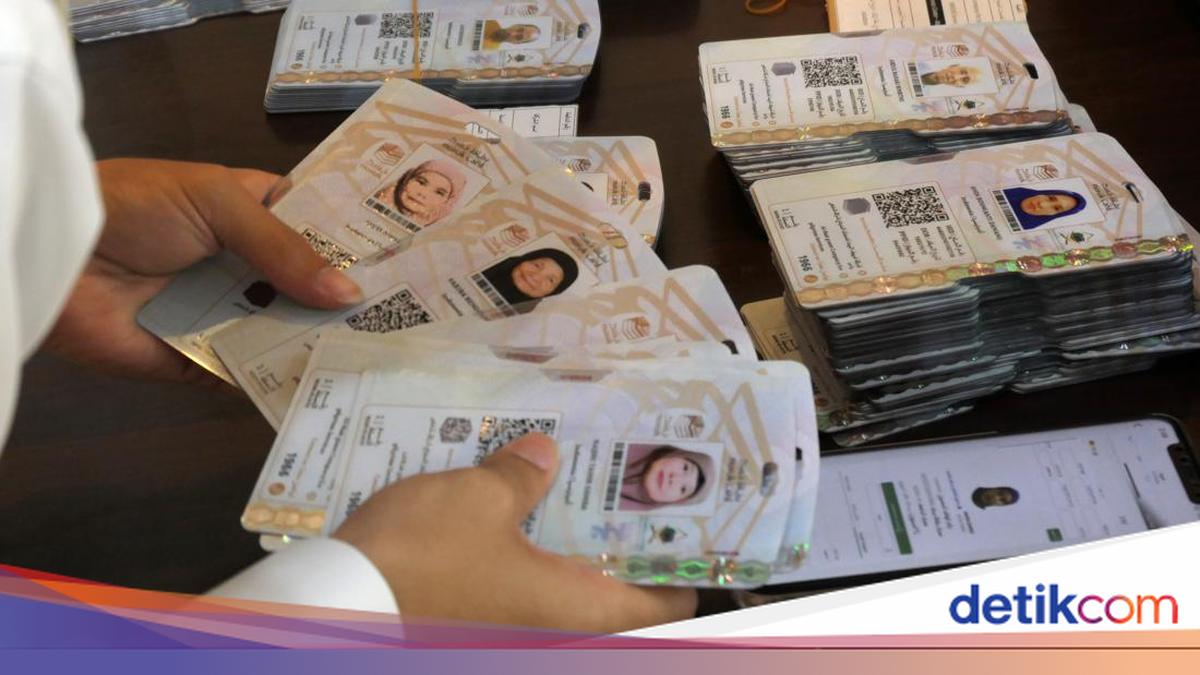
Quoting the official website of the Indonesian Ministry of Hajj and Umrah (Kemenhaj), Hajj pilgrims are urged to be wary of scams claiming that their Nusuk cards are problematic, which involve requesting pilgrims to click on links sent via WhatsApp. Do not immediately believe or click on such links sent to you.
Pilgrims should take note of the following.
- If there are indications of a scam:
Immediately confirm and report to the official officers in the Nabawi sector.
- If you have already fallen victim or clicked the link:
Immediately report to the officers, block the perpetrator’s contact, and avoid providing further personal data.
- For prevention:
Use only official channels and always follow the guidance of the officers.
What is the Nusuk Card?
The Nusuk card is the official identity for Hajj pilgrims issued by the Saudi Arabian Government. It contains the pilgrim’s identity, photo, visa number, transportation ticket, accommodation details, and a barcode that can be scanned by officers for verification.
Additionally, the Nusuk card serves as access to the Masjidil Haram, Arafah, Muzdalifah, and Mina. The Nusuk card is the marker of an official Hajj pilgrim. In 2026, the Nusuk card can be obtained at the embarkation point or Hajj dormitory before the pilgrims’ departure.
Free Access to Raudhah
Hajj pilgrims are reminded to be cautious of scam tactics related to access to the Raudhah in the Masjid Nabawi. Access to Raudhah is free of charge and can only be obtained through official channels.
Official access to Raudhah uses only the barcode system, either through the tasrih scheme (collective permit) or the Nusuk application for independent pilgrims. Anything outside of this mechanism should be suspected as a scam.
Currently, there are rampant unscrupulous individuals pretending to be officers and exploiting the situation by demanding payments. The Indonesian Hajj Organising Committee (PPIH) assures that it will not tolerate any violations, including illegal levies by any party.
To access Raudhah, the Saudi Arabian Government enforces strict rules. Pilgrims must use barcodes through the tasrih scheme for groups or the Nusuk application for independent pilgrims.
Regarding age policy, it was previously limited to up to 41 years old. However, following a memorandum of understanding (MoU) and negotiation process, the maximum age limit has now been raised to 60 years. Pilgrims above that age will still be facilitated through special mechanisms.
In implementation, the collective tasrih barcode is held by the Nabawi Special Sector (Seksus). Worship guidance officers in each sector will coordinate pilgrims according to the allocated quota.