
Beware of Joining Illegal Hajj, Risk Being Banned from Entering Saudi Arabia for 10 Years
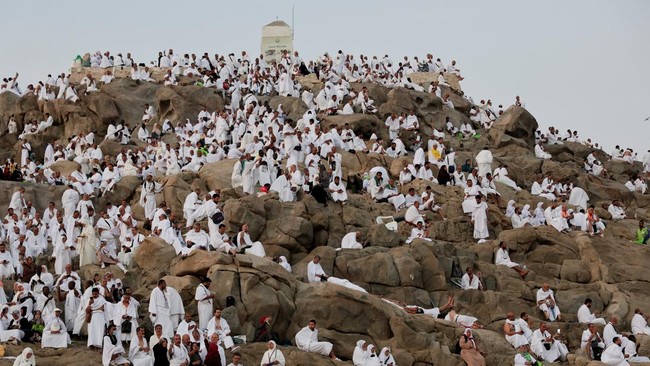
The Ministry of Hajj and Umrah, through the Directorate General of Hajj and Umrah Organisational Development (PHU), along with the Indonesian Consulate General (KJRI) in Jeddah, has warned the public to be vigilant against various methods of illegal Hajj departures. This follows the increasingly stringent policies of the Saudi Arabian government regarding the organisation of Hajj worship this year. The commitment to protecting pilgrims was emphasised in a meeting between the Director General of PHU, Puji Raharjo, and the Indonesian Consul General in Jeddah, Yusron B Ambary, at the KJRI Jeddah office. Both parties agreed to strengthen public education so that Indonesian citizens (WNI) do not fall into the trap of non-procedural Hajj practices. “It is important for the public to understand that the Saudi Arabian government only recognises official Hajj visas as valid documents for performing Hajj worship,” said Puji, quoted on Monday (6/4/2026). In line with this, Indonesian Consul General in Jeddah Yusron B Ambary reminded pilgrims to ensure the type of visa they possess before departing. “The public should not be easily swayed by promises of quick routes. Ziyarah visas, visit visas, or other documents outside the regulations cannot be used for Hajj. Only Hajj visas designated by Saudi authorities are accepted,” Yusron stressed. This warning is not without reason, said Yusron. Saudi security forces have repeatedly taken action against Indonesian citizens attempting to perform Hajj using non-Hajj visas. KJRI Jeddah has recorded various cases where pilgrims were arrested for using fake Hajj attire, fake identity cards, and visas with data not matching the holder’s passport. He also reminded that the consequences for violators are very severe. In addition to failing to worship, pilgrims caught illegally face sanctions in the form of large fines, deportation, and a ban on entering Saudi Arabian territory (blacklisting) for 10 years. During the meeting, there was also discussion about misconceptions regarding Haji Dakhili (domestic Hajj). This route is reserved for local Saudi residents and expatriates with valid residence permits (Iqamah) for at least one year. This route is not a loophole for Indonesian pilgrims to depart without going through official mechanisms. The public is also urged to be critical of Hajj offers labelled as Furoda or other packages that promise departures without queues. “The public should not focus on the package name, but ensure the certainty of the Hajj visa, the legality of the organiser, and compliance with official government procedures,” he added. The Ministry of Hajj and KJRI Jeddah view the need for strengthened supervision and cross-agency handling to prevent victims of worship travel scams. Through massive education and improvements to the more valid Umrah data system, it is hoped that protection for Indonesian pilgrims can be maximised.