
Beware of Dangerous Takjil! Here Are the Signs of Foods Containing Formalin and Borax
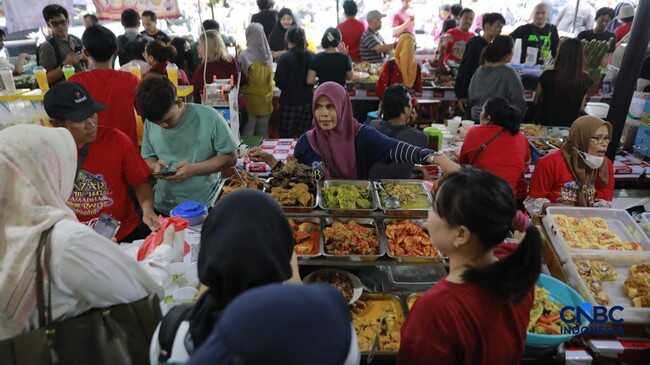
The public is urged to be more vigilant when purchasing food, especially street snacks sold in markets and takjil for breaking the fast. Some food products remain susceptible to misuse with hazardous chemicals such as formalin, borax, and even textile dyes. The Badan Pengawas Obat dan Makanan (BPOM) reminds that some chemicals that should be used for industrial purposes are often misused in food to make it look more appealing, give it a certain texture, or prolong shelf life. One dangerous substance still frequently found in foods is formalin, which BPOM says, citing its official Instagram, is actually used as a preservative for wood, textiles, and even biological tissues. Illegally, formalin is sometimes misused to preserve food so it does not spoil quickly. BPOM explains foods containing formalin usually have several signs, including: 1) a texture that does not break easily or crumble, 2) a distinctive formalin odour, 3) can last more than one day at room temperature. Some types of foods commonly found to contain formalin include fresh noodles (mi basah), tofu (tahu), and fish. ‘Continuous consumption of formalin over the long term can trigger various health disorders,’ BPOM said. In addition to formalin, the public is urged to beware of borax use. The substance, also known as bleng or pijer, is often misused to make food texture chewier. Foods containing borax typically have the following characteristics: 1) very chewy texture, 2) not easily broken and not sticky, 3) in some products such as kerupuk gendar may taste bitter. Foods that are commonly found to contain borax include bakso, mi basah, siomay, lontong, and kerupuk gendar. BPOM also advised the public to beware of textile dyes used in foods. One example is Rhodamine B, a synthetic dye used in paper and textiles. The signs of Rhodamine B contamination usually include a very bright pink colour, a luminous appearance, and uneven colouring or specks of colour. This substance is often found in kerupuk, market snacks such as kue lapis, and beverages. There is also metanil yellow, a textile dye sometimes misused in foods such as yellow tahu or yellow crackers. Foods containing this dye generally display a very bright yellow, glowing hue, and are not homogeneous. BPOM emphasises that long-term consumption of these hazardous substances can lead to health problems ranging from digestive disorders to an increased cancer risk. ‘Recognise the risks, note the signs, and choose foods with clear safety. Let us be smart consumers for long-term health,’ BPOM said.