
Beware of Account Draining Scam Tactics; Delete These Messages from Your Phone Immediately
Phishing fraud is becoming increasingly concerning and has claimed numerous victims. Phishing is a form of deception conducted through email whereby perpetrators trick victims into clicking specific links containing dangerous malware.
Additionally, perpetrators also deceive victims into voluntarily surrendering sensitive data, which ultimately leads to identity theft, account compromise, and theft from other financial accounts.
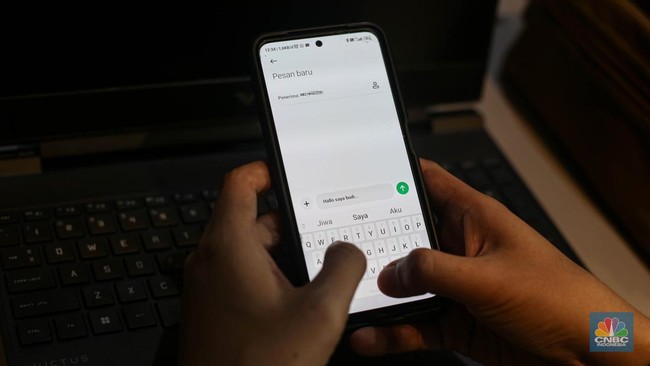
Phishing is typically conducted via email. However, similar concepts can also be executed through telephone calls, referred to as vishing, as well as through SMS and other text messages, a practice termed smishing.
In response to this matter, the Hampden County Police Office in Massachusetts issued a statement cautioning against text-based fraud, or smishing, which is circulating widely on Facebook.
According to the police department, fraudulent perpetrators send messages that appear urgent in nature, causing victims to panic and willingly surrender their sensitive information.
For example, scammers may falsely inform victims that they are under legal investigation and must telephone the perpetrator to avoid legal action.
“These scammers typically include fake phone numbers and links that can install dangerous malware,” according to a statement from Hampden County police, as reported by Vice on Wednesday (11 March 2026).
Furthermore, police remind the public that scammers can impersonate legitimate institutions, making it easier for victims to fall into the trap.
Whilst many people possess sufficient digital literacy to detect fraudulent attempts via suspicious text messages or chats, many still panic immediately and end up falling for the scam.
Vice reports that the majority of victims are elderly people or those with limited technological proficiency. The message content can frighten them so much that they refrain from deleting it and actually follow the scammer’s instructions.
“These scammers aim to frighten victims so they act before thinking,” police stated.
“It is important to remember that law enforcement officials will never telephone, send messages, or request money to resolve legal matters,” said officer Cocchi.
He urged the public who receive threatening messages impersonating legal institutions, requesting personal data, and containing dangerous links to immediately delete such messages and report them to the authorities.