
Beware: Measles Still Threatens Infants and Young Children
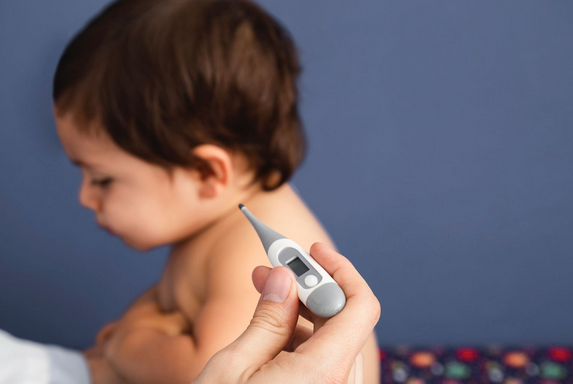
Measles continues to be one of the contagious diseases requiring vigilance, particularly in infants and young children. The disease, caused by a virus from the genus Morbillivirus, spreads rapidly through droplets when an infected person coughs or sneezes. Infants are among the most vulnerable groups because their immune systems have not yet fully developed.
According to the World Health Organization (WHO), measles is one of the most contagious diseases in the world. The virus can survive in the air and on surfaces for up to two hours after an infected person leaves a room. This makes transmission easy, especially in high-density environments such as households, childcare facilities, and healthcare facilities.
Initial symptoms of measles typically appear 10 to 14 days after viral exposure. In the early stage, infants may experience high fever, cough, runny nose, and red or watery eyes. This condition is often mistaken for a common respiratory infection.
Several days later, a red rash appears on the face and gradually spreads across the body. In addition to the rash, there is a distinctive sign often used by doctors to identify measles: small greyish-white spots inside the cheeks known as Koplik spots. This sign typically appears before the skin rash becomes visible and is an important indicator for early diagnosis.
Risk of Measles Complications in Children
Although often considered a common childhood disease, measles can cause serious complications, particularly in infants. Complications that may occur include pneumonia, ear infection, severe diarrhoea, and brain inflammation or encephalitis.
In certain cases, measles infection can result in death, especially in children with poor nutrition or weak immune systems. This risk is why measles remains a primary concern in child health globally.
WHO data shows that in 2022 there were approximately 9 million measles cases worldwide with more than 120,000 deaths. Most victims were children under five years of age, indicating that this disease remains a public health threat in various countries.
Vaccination is the most effective measure to prevent measles transmission. The vaccine is usually administered in the form of the MMR vaccine, which also protects against mumps and rubella. Routine childhood immunisation has been proven to significantly reduce infection risk whilst protecting vulnerable populations through herd immunity.
Healthcare professionals remind parents to immediately take their infant to a healthcare facility if the child experiences high fever accompanied by cough, runny nose, and skin rash. Early detection and appropriate management can help prevent more serious complications.