
Beware Kidney Inflammation in Young Adults; Indonesian Nephrology Association Recommends Regular Urine Screening
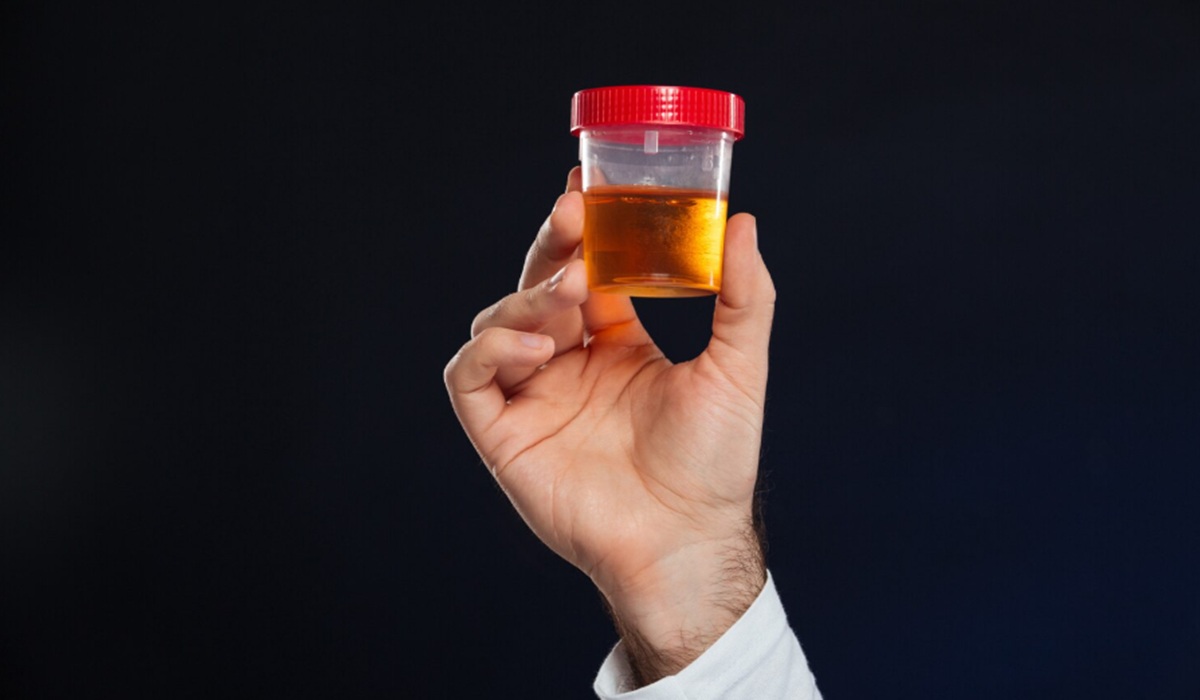
The chairperson of the board of the Indonesian Nephrology Association (PB Pernefri), Dr. dr. Pringgodigdo Nugroho, Sp.PD-KGH, has reminded the public, particularly young people, to pay greater attention to kidney health.
Early detection through urine examination is considered crucial to prevent kidney inflammation or glomerulonephritis, which often culminates in permanent kidney function failure.
During a media gathering in Jakarta on Wednesday 11 March, Pringgodigdo revealed that kidney inflammation is one of the most frequently occurring diseases affecting young people.
Ironically, the disease is asymptomatic in nature because in its early stages it tends not to produce tangible physical symptoms.
“Many young people who already have kidney failure have it mostly because of this kidney inflammation, because they’ve never had their urine checked. It can only be detected through examination, because there are no symptoms,” said Pringgodigdo.
According to him, laboratory examination can detect the presence of red blood cells (erythrocytes) or albumin (protein) in urine, which should register as negative.
One tangible indicator frequently overlooked by the public is foamy urine or changes in colour.
Foamy urine indicates the presence of albumin leakage at fairly high levels.
Meanwhile, reddish-coloured urine indicates the presence of blood which could originate from the kidney due to inflammation or from the urinary tract.
“If it’s already foamy or coloured, that means it’s high — the leakage level is high. Usually reddish colour is because there’s blood. Blood could be from the kidney or from the tract. If it’s from the kidney, it’s because of the inflammation,” explained the internal medicine specialist who graduated from the University of Indonesia.
Beyond medical factors, Pringgodigdo highlighted lifestyle as a primary trigger. Consumption of sweet, high-calorie foods can trigger obesity and diabetes, whilst instant foods with high salt content increase the risk of hypertension. Both of these conditions are major gateways to chronic kidney disease.
A sedentary lifestyle or lack of physical activity is also a serious concern. He advised the public to resume simple physical activities such as walking rather than constantly relying on motor vehicles for short distances.
As a preventive measure, Pringgodigdo emphasised the importance of regular health checks even when the body feels healthy.
“If there are no symptoms, then at least once a year it should be checked,” he added.
Through routine examination and maintaining healthy eating habits, the risk of permanent kidney damage during the productive years is hoped to be significantly reduced.