
Beware! Godzilla El Niño Looms Over Jambi, Dry Season Peak Until September 2026
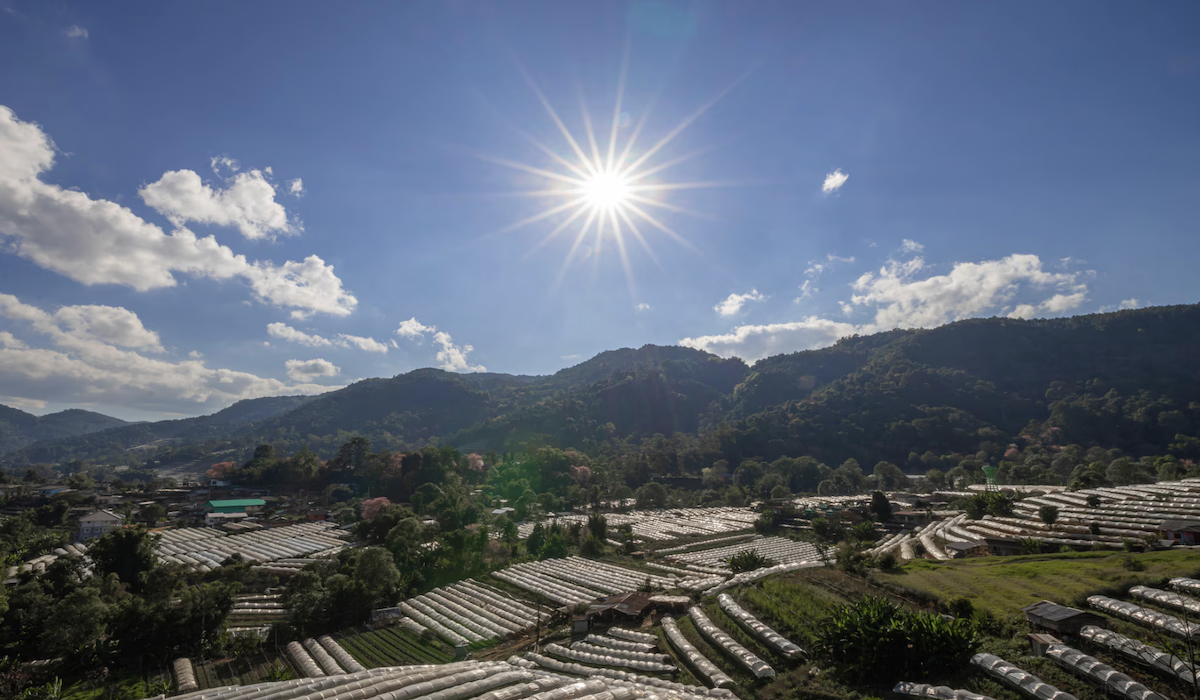
The Meteorological, Climatological, and Geophysical Agency (BMKG) Station at Sultan Thaha in Jambi has issued a serious warning regarding the threat of the Godzilla El Niño phenomenon, predicted to hit Jambi province in 2026. This extreme climate event has the potential to trigger a dry season that is far longer and drier than normal conditions.
Forecaster at the BMKG Sultan Thaha Meteorology Station in Jambi, Jaya Martua Sinaga, revealed that Jambi is currently in a fluctuating transitional phase. However, the latest monitoring shows strong indications of a drastic drop in rainfall in the near future.
Based on BMKG data, the start of this year’s dry season is predicted to advance. Normally beginning in June, this year the drought is estimated to begin lurking in the third decade of May 2026.
“This condition causes a reduction in the supply of water vapour to the Jambi region, thereby supporting the occurrence of a dry season that arrives earlier and lasts longer than normal,” said Jaya Martua Sinaga in Jambi on Friday (3/4).
BMKG maps the timeline of the drought threat as follows: [Note: Original article appears to have a missing or omitted timeline detail; impacts described below.]
The impact of Godzilla El Niño is not just hot weather. BMKG highlights a decline in rainfall characteristics below normal. Monthly rainfall, usually reaching 100 millimetres, is predicted not to be achieved for one to three consecutive months.
Early Warning: Extreme rainfall deficits significantly increase the risk of forest and land fires (karhutla), especially in forested areas and peatlands scattered across Jambi.
Local government and communities are urged to immediately take mitigation steps, from managing water stocks to strict monitoring in fire-prone areas.
“We urge the community and local government to increase vigilance and take anticipatory measures early on,” emphasised Jaya.
With predictions of a drought peak that could reach September, preparedness of fire suppression infrastructure and water channels in peatlands becomes crucial to prevent wider haze disasters in the future.