
Beware! Dental problems in childhood may trigger heart disease in adulthood
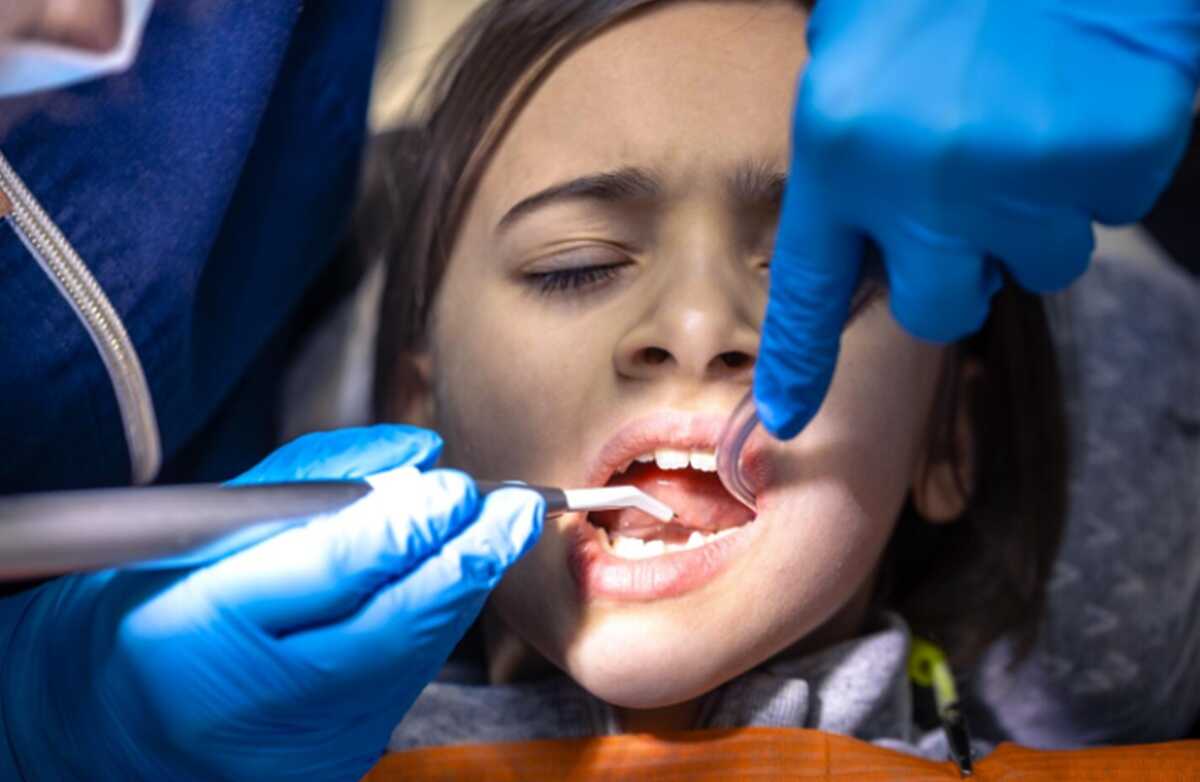
Healthy smiles in childhood protect more than aesthetics. New research shows that dental problems early in life are linked to serious illnesses decades later. Although dental caries and gingival bleeding are common in children, their long-term effects may affect heart health and overall well-being.
A large-scale study from the University of Copenhagen examined health data of 568,000 Danish children born in the 1960s and 1970s. The team linked records from the National Child Odontology Registry with national health data up to 2018. With such a large sample, the study is among the most detailed in its field.
The results show a strong pattern. Children with many dental caries had up to 45% higher risk of cardiovascular disease in adulthood than those with healthy teeth. Meanwhile, severe gingivitis was associated with up to a 41% increased risk.
Although the study identifies associations rather than direct causation, researchers suspect inflammation as a key factor. Gum disease and untreated caries may lead to chronic inflammation in the mouth, which could influence how the body responds to inflammation later in life.
“Exposure to high levels of inflammation from gum disease and caries in childhood may affect how the body later responds to inflammation,” said Nikoline Nygaard, a postdoctoral researcher at the University of Copenhagen.
This long-term inflammation is thought to damage blood vessels and accelerate atherosclerosis, the narrowing and stiffening of arteries that can trigger heart attacks and strokes.
Beyond heart disease, the study also explored links with type 2 diabetes. Children with severe gum disease had up to 87% higher risk of type 2 diabetes in later life, while those with many caries had about a 19% higher risk. While lifestyle factors such as diet and education contribute, the association between poor oral health and cardiovascular disease remains strong even after adjustment.
“We cannot ignore that lifestyle plays an important role,” Nygaard said. “However, even after adjusting for education level, cardiovascular disease remains striking.”
The findings serve as an important warning to parents to pay closer attention to their children’s oral hygiene. Since most dental problems can be prevented with regular brushing, early intervention can yield long-term health benefits into adulthood.
Merete Markvart, co-author of the study, stressed the importance of identifying high-risk groups. “If we can identify markers indicating who is at higher risk of developing various diseases later on, we can tailor preventive efforts to that group,” she explained. She added that taking care of children’s teeth does not instantly solve heart problems, but improving oral health can steer many people toward better overall health.
In the Indonesian context, caries among young children remains a health challenge. Among toddlers and preschoolers aged 1-6, dental caries were found in about 31% of children. More than half of Indonesian children experience caries, and doctors have urged that proper tooth brushing be taught from an early age rather than merely becoming a habit. The Ministry of Health has warned that brushing without regular and correct technique can raise the risk of heart disease. The issue is particularly acute in Kabupaten Tangerang, where caries rates among young children are high. Health Minister Budi Gunadi Sadikin noted that dental health problems and caries are most prevalent among preschool and early childhood groups in PAUD.