
Beware AI Caricature Trend: A Cybercriminal Blueprint in Asia-Pacific
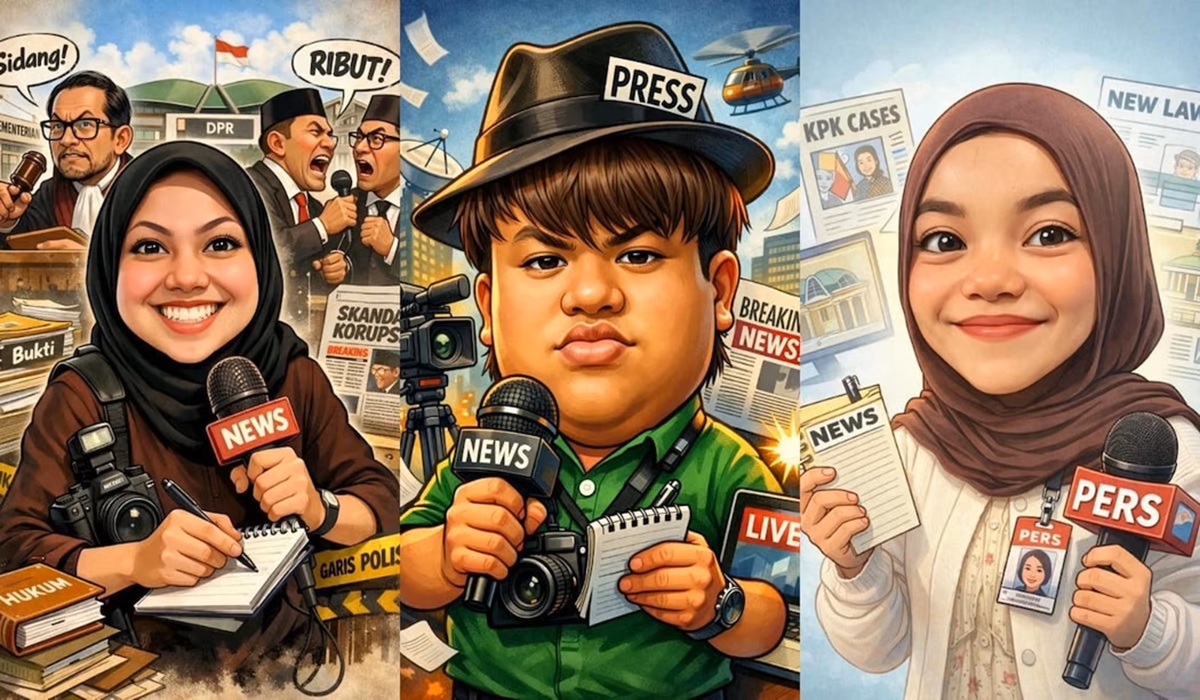
A new trend is going viral across various social media platforms including Instagram, TikTok, and LinkedIn. Users are increasingly sharing personal photographs and requesting artificial intelligence tools to create caricatures or illustrations based on instructions such as “Create based on everything you know about me”.
Whilst appearing creative and entertaining, cybersecurity experts are warning that this trend poses substantial risks to personal data security.
Security experts from Kaspersky have revealed that such prompts do not function as simply as ordinary visual filters. To generate accurate images, users unknowingly grant AI tools extensive access to scan their profiles without restrictions. Sensitive data including company names, job titles, hobbies, and family member details are frequently extracted to create these illustrations. The accumulated information then becomes part of a highly detailed digital profile.
Cybercriminals can exploit the combination of images, text, and real-world context to launch far more sophisticated social engineering attacks. By knowing the victim’s workplace or family members, fraudulent attempts become more convincing and difficult to detect even for cautious users.
This risk is particularly acute across the Asia-Pacific region. Adrian Hia, Managing Director for Asia-Pacific at Kaspersky, issued a stark warning about this phenomenon. “This viral trend of creating caricatures of our lives may appear to be harmless entertainment, but it is actually voluntary information for cybercriminals. Each time users in Asia-Pacific provide details about themselves to AI simply to see a clever illustration, they are handing over the blueprint for a perfect social engineering attack,” said Adrian Hia.
He added that in regions with high AI adoption but lagging technical literacy, this digital portrait becomes a dangerous map for users. According to data, 78% of professionals in Asia-Pacific use AI on a weekly basis, exceeding the global average of 72%.
Beyond direct fraud risks, users must also understand that shared data is not always immediately deleted. Depending on platform privacy policies, original photographs, usage history, and IP addresses may be retained for service development purposes or future AI model training.
To mitigate these risks, experts recommend several digital hygiene measures: carefully review privacy policies before using any AI tool, minimise personal information shared on public social media profiles, use strong and unique passwords for different accounts, enable multi-factor authentication, and remain sceptical of unsolicited communications requesting personal verification. Users should also avoid using AI tools that request excessive personal data and instead opt for privacy-conscious alternatives with transparent data handling practices.